.svg&w=384&q=75 "Naijagoal logo")
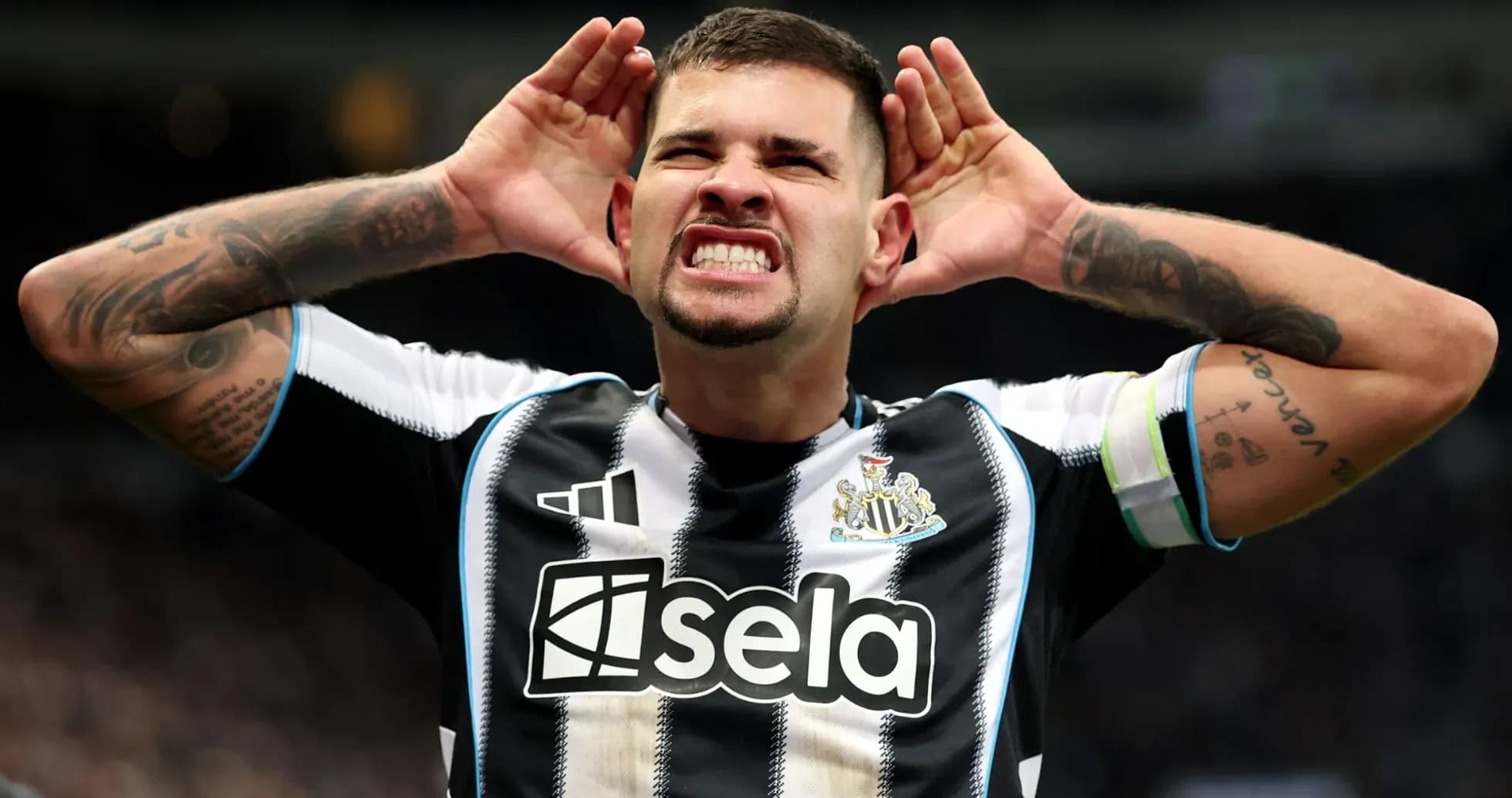

Newcastle's Unplanned Sale of Bruno Guimaraes: A Shift in Strategy
Newcastle United did not walk into this summer intending to sell Bruno Guimaraes. They were dragged there.
Sporting director Ross Wilson laid it out bluntly: the club’s strategy did not include cashing in on their captain. Then Guimaraes made his position clear, and the entire equation changed.
“What we had to weigh up was, very respectfully from Bruno with his behaviour towards us, very emotionally as well, he effectively told us he wanted to leave and move on,” Wilson said, speaking to the BBC.
That was the turning point. Not a release clause, not a pre-planned clear-out. A captain who had decided his future lay elsewhere.
Wilson stressed that a transfer request does not automatically open the exit door. Newcastle still controlled the contract, still controlled the fee.
“That doesn't mean he can go, but it certainly plays a part in what our thinking is when we hit a certain range of number,” he explained. “There's no part in saying it was part of our strategy and was in our thinking this summer – it wasn't. But we have got to be flexible and react to things that happen.”
The pressure finally told once the numbers climbed into a range Newcastle felt they could not ignore. Arsenal kept pushing, and Guimaraes’ determination to move added emotional weight to the financial logic.
A year of departures
Guimaraes becomes the fourth pillar of Eddie Howe’s project to walk out of the door in under 12 months. One by one, the core has been chipped away.
- Alexander Isak left for Liverpool last summer.
- This window, Sandro Tonali has gone to Tottenham.
- Anthony Gordon has been prised away by Barcelona.
Now the captain, the heartbeat of Newcastle’s midfield, follows them out.
For a club trying to stay within financial constraints while still pushing at the top end of the Premier League, those exits are both a wound and a lifeline. The fees keep the model moving. The dressing room loses another leader.
Chief executive David Hopkinson lifted the lid on how Arsenal played the game. The London club did not arrive with a blockbuster opening bid. They started low and tested Newcastle’s resolve.
Hopkinson described it as dealing with “very sophisticated actors on each side”. Negotiation, not a quickfire raid.
“That's what negotiation looks like. It's a fee that satisfies us,” he said. Arsenal probed, Newcastle held their line, and the price crept to a level the board could accept.
Hopkinson framed it in hard business terms. “If you want to put a merchandising spin on it, it's the highest fee for a player in that position at that age, and all those things come into play.”
For Newcastle, that matters. For supporters watching another star leave, it may feel like cold comfort. But inside the boardroom, the numbers carried weight.
“Is it a good deal for Newcastle United? I believe it is,” Hopkinson said, before adding the sting that every fan already knows. “But Arsenal are getting a very special player and person. It's worked from a financial perspective for both sides.”
Newcastle now stare at a familiar question. They have money in the bank, a hole in midfield, and another symbol of the project gone. How many times can you sell a cornerstone and still convince everyone you are building upwards?