.svg&w=384&q=75 "Naijagoal logo")

Marcus Rashford's Champions League Clause Impacts Manchester United's Finances
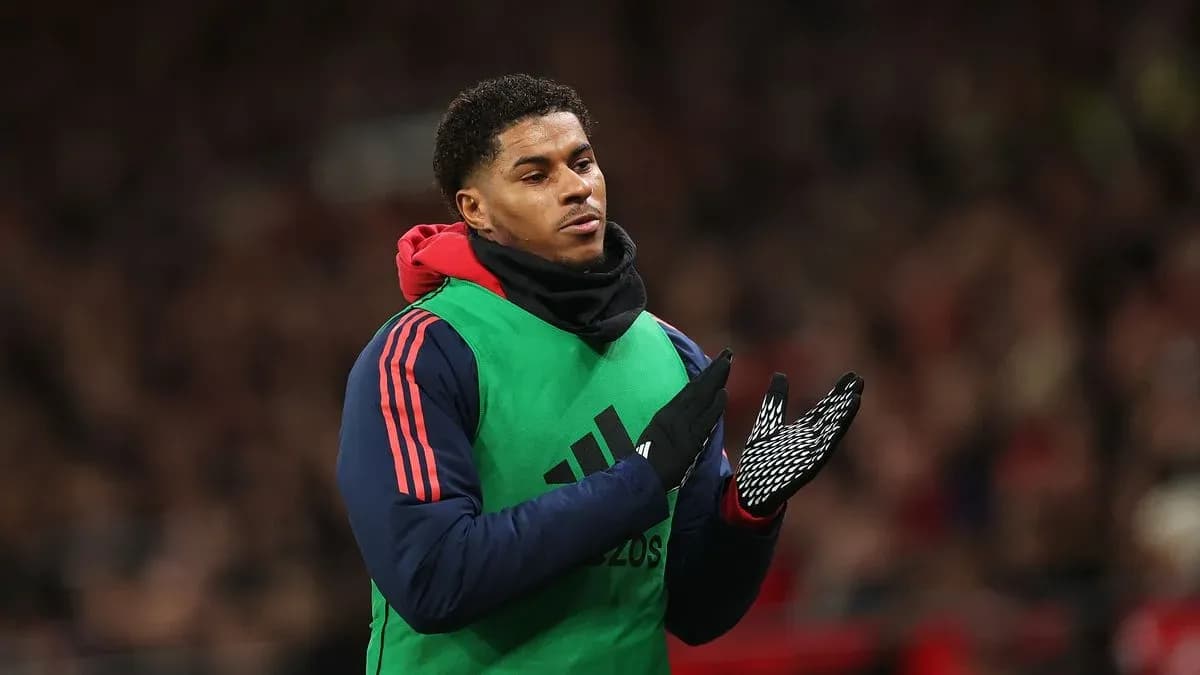
Marcus Rashford is poised for a sizeable financial lift from a Champions League clause that has forced Manchester United into some uncomfortable contract contortions.
Under United’s old bonus structure, simply reaching the Champions League was enough to trigger hefty pay rises across the squad. No minutes required. No thresholds to hit. That is why Rashford, despite not playing a single minute for the club last season, is set to earn around £4million more annually than he would have done had United missed out on the top four.
United’s return to Europe’s top competition after finishing third in the Premier League has reversed the wage cuts that hit the dressing room during last season’s absence from the Champions League. For some, the bump is modest. For Rashford, it is enormous.
The England forward’s deal includes a 25 per cent increase linked to Champions League qualification. With his basic salary already north of £300,000 a week, that uplift drags him back over the £300k mark and translates to roughly £4m extra per year. All this despite the fact he spent the campaign away from Old Trafford.
He is not alone. Mason Mount, who arrived in the same window that Rashford signed his new terms, has a similar clause. His Champions League bonus will cost United an additional seven-figure sum in wages over the coming season, with the increase understood to be in excess of £1m.
Andre Onana, another signing from that summer, also benefits. His salary is currently being paid by Trabzonspor during his loan spell, which has spared United the full financial hit for now, but the clause remains in play and underlines why the club have become far more cautious with their contract structures.
That caution has already been formalised. According to The Telegraph, United have since rewritten the rules. Under the new regime, players must feature in more than 60 per cent of the previous season’s minutes – just over 2,000 minutes of football – to activate any Champions League-related pay rise.
By that measure, Mount would have fallen well short. Rashford, having not played for United at all, would not have been close. Neither would have been eligible for anything like the windfalls they are now collecting had their contracts been signed under the new system.
Joshua Zirkzee sits in a different bracket again. He did not meet the 60 per cent threshold last season, so his wages stayed flat, but his deal predates the change and therefore falls outside the revised rulebook.
The financial reality is biting. Rashford and Onana have both been made available for permanent transfer, with United actively open to moving them on. The problem is obvious: their wages, and the embedded bonus clauses, make them extremely expensive commitments for any buying club.
Rashford’s loan spell at Barcelona showcased his ability and reminded Europe of his ceiling. He impressed in Spain, but Barcelona’s own financial constraints meant they walked away from a permanent move. United, burdened by his contract and eager to trim the wage bill, were keen to cash in.
That stance has softened. With no acceptable offers on the table and time ticking on their summer rebuild, United are now increasingly likely to keep Rashford at Old Trafford, a sharp turn from their earlier eagerness to engineer his exit.
While the forward’s future steadies, the broader impact on United’s planning is far less settled. Big wages and legacy clauses are clogging up the budget, and the club’s summer business reflects that tension.
They have worked cleverly in some areas. Deals for Youri Tielemans and Andrey Santos were negotiated on terms that fit a tighter financial model, giving United midfield depth without blowing apart their wage structure again. But when it came to pushing harder for targets like Elliot Anderson and Mateus Fernandes, the numbers stopped adding up.
The result is a recalibration of priorities. The idea of bringing in a third midfielder has faded as resources are squeezed. Attention is drifting instead towards other problem areas: a new left-back, a fresh centre-forward, positions that might prove decisive in the months ahead.
United’s balance sheet is now dictating as much as their tactics board. And in the middle of it all stands Rashford – a player who did not kick a ball for the club last season, yet has become a symbol of how costly yesterday’s contracts can be for tomorrow’s plans.