.svg&w=384&q=75 "Naijagoal logo")

Manchester United’s Transfer Strategy: Smart Deals and Key Questions
The days of Manchester United flinging nine-figure fees at any marquee name are fading. That’s the clear message from Sir Jim Ratcliffe’s football operation, which has deliberately stepped away from the era of blockbuster signings and scattergun spending.
United’s record transfer – Paul Pogba’s £89million move in 2016 – suddenly looks very safe. The club are not ruling out ever paying more than £100m for a player again, but the current strategy points in a very different direction.
This summer was never set up to be a repeat of last year’s £225m outlay. With a top-three finish secured and Champions League football already in the bag, there was no sense of desperation. History shows United tend to spend aggressively when they’ve missed out on Europe’s elite competition and need a jolt to get back in. This time, the brief was different: reshape the squad, stretch the budget, and fix multiple problem areas rather than blow it all on one star name.
That’s why the window has felt more cautious. The midfield needed a full overhaul. Other positions still demand attention. And yet, as the clock ticks down, some of those issues remain unresolved.
The Left-Back Question That Won’t Go Away
One concern dominates the fanbase: where is the new left-back?
The question is blunt because the situation is. United need cover and competition for Luke Shaw, and they haven’t got it. The club’s decision not to go hard for Lewis Hall has left plenty baffled. Whether the Newcastle defender would have pushed for a move is unknown, but United’s reluctance to properly test Newcastle’s resolve looked, at best, passive.
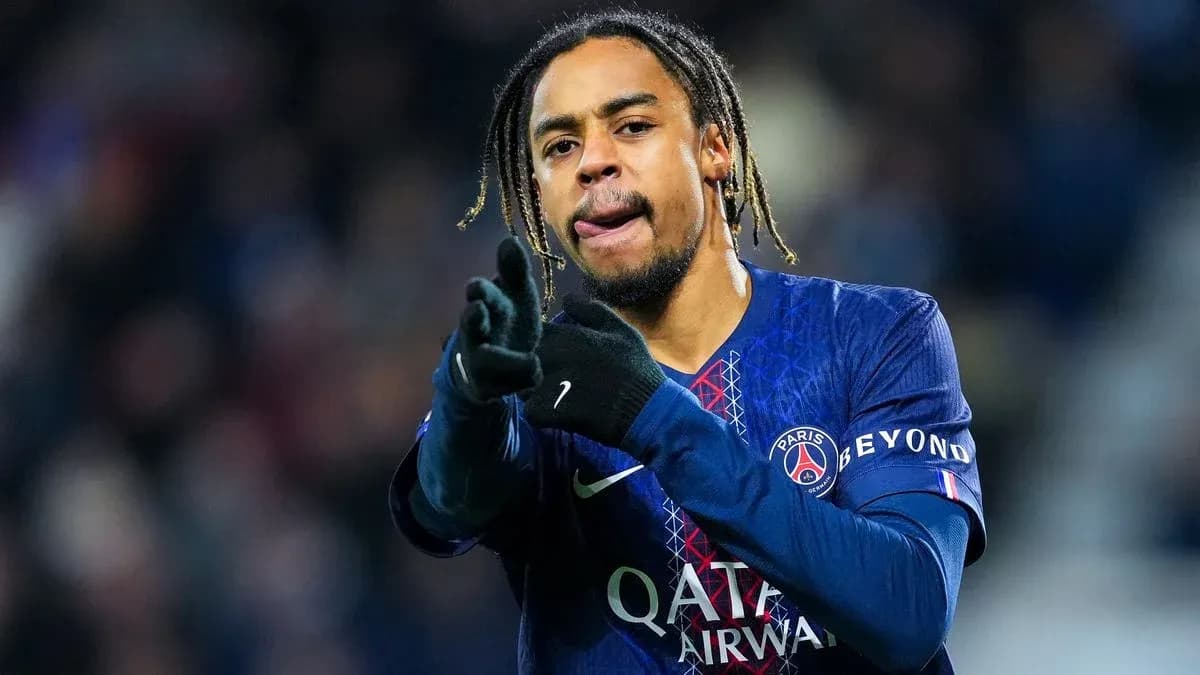
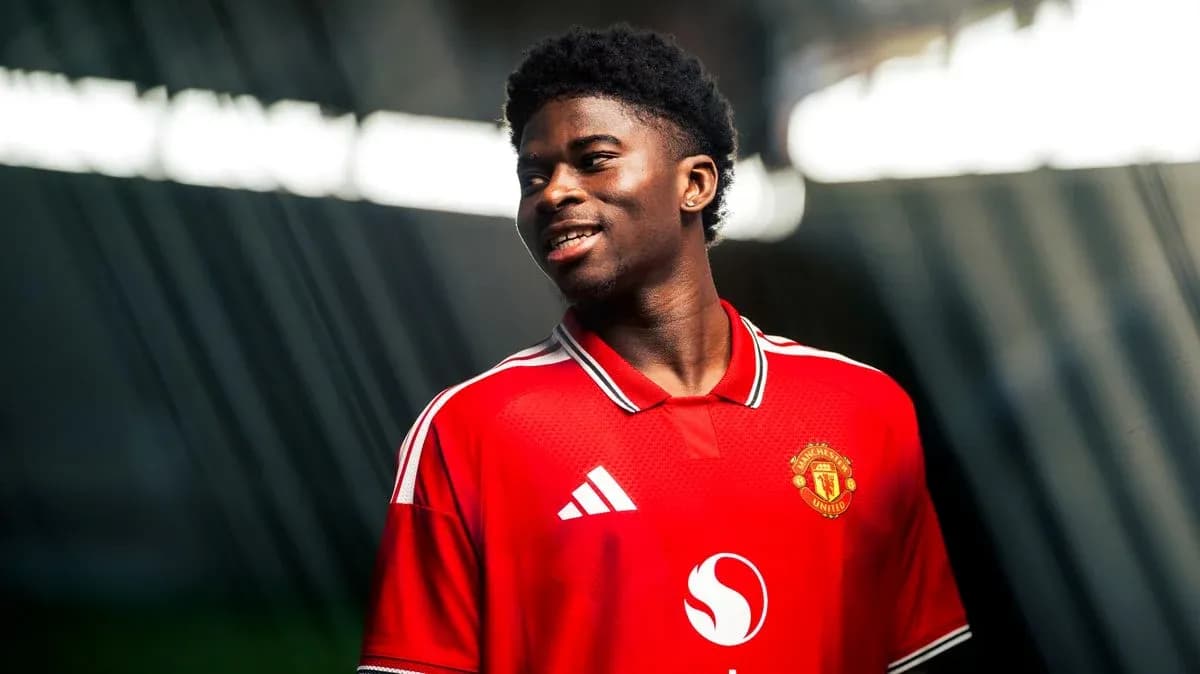
The stance from inside the club is clear enough: they want a left-back, but only at the right price. The arrival of Carlos Baleba this week underlined that point. United showed last summer they were willing to walk away from a deal for him when the numbers didn’t add up. This time, they felt the value was there and moved. That same cold-eyed approach is now shaping the hunt for a full-back.
But the clock is unforgiving. Shaw’s injury record is no secret. He came through last season unscathed, yet with a congested calendar ahead, relying on him to carry the load again is a huge gamble. Calling Harry Amass into the conversation only sharpens the issue. The youngster is highly regarded, but he is not at the required level yet to be trusted as Shaw’s primary deputy in a season of this intensity.
United’s summer won’t collapse without a left-back. It won’t erase the work already done. But the lack of urgency in such a key area is a risk that could define the early months of the campaign.
Mainoo, Baleba and the Shape of United’s Midfield
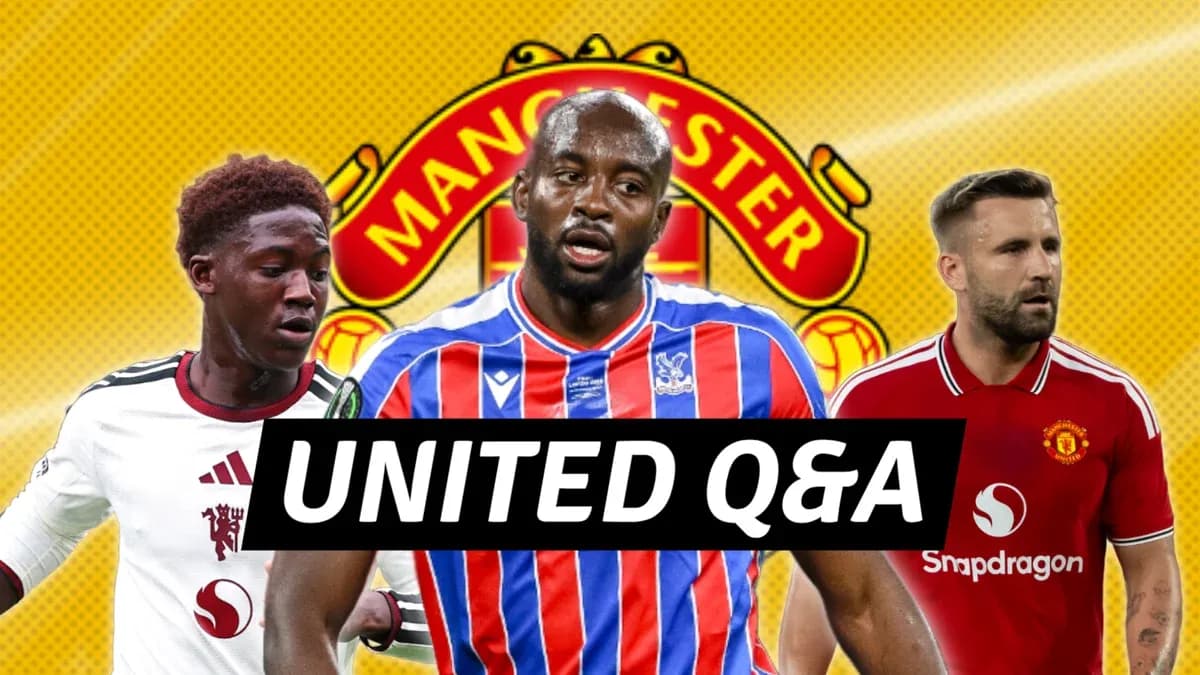
Another theme running through supporters’ questions: if Kobbie Mainoo is the present and future of United’s midfield, why buy Baleba? And will the new man eat into Mainoo’s minutes?
The short answer: the comparison is misplaced. They are very different players, and there is every chance they end up starting together.
Mainoo is a technically gifted, press-resistant midfielder who can dictate tempo and knit play together. Baleba brings a different profile, offering more ball-winning power and physical presence in the middle of the pitch. For a side that has too often looked soft in central areas, that blend makes sense.
As for Mainoo’s game time, his recent absence from the starting XI has a simple explanation. He only returned to pre-season training less than three weeks ago. That left him with no realistic chance of starting the opening-day defeat at Hull. He came off the bench midway through the second half at the MKM Stadium and is now in contention to start on Sunday.
Inside the club, there is no doubt about his status. Mainoo is viewed as both the present and the future of United’s midfield. The plan is not to phase him out, but to build around him with complementary profiles like Baleba, not direct rivals for his place.
A Window That Still Needs an Ending
United have tightened up their transfer thinking. They are more prepared to walk away, more wary of overpaying, and less seduced by the idea that one superstar solves everything.
It’s a shift many supporters have long demanded. But smarter strategy doesn’t erase squad gaps on its own. With the season already under way and the fixtures piling up, one question now looms over the final days of the window:
Will United match their new-found discipline with the decisive move at left-back this squad so obviously needs?