.svg&w=384&q=75 "Naijagoal logo")

Liverpool’s Transfer Misfire: Quansah Saga Highlights Costly Mistakes
Liverpool’s bold rebuild after winning the Premier League in 2025 was supposed to cement an era, not dismantle one.
They tore into a title-winning squad, sanctioned a sweeping overhaul and pushed spending past £400m on new faces, softened only by roughly £200m recouped in sales. Players left in waves. At the time, it looked ruthless. Ambitious. Future-proofing.
Now it looks reckless.
And nothing sums it up quite as painfully as the looming Jarell Quansah situation.
Quansah deal exposes the damage
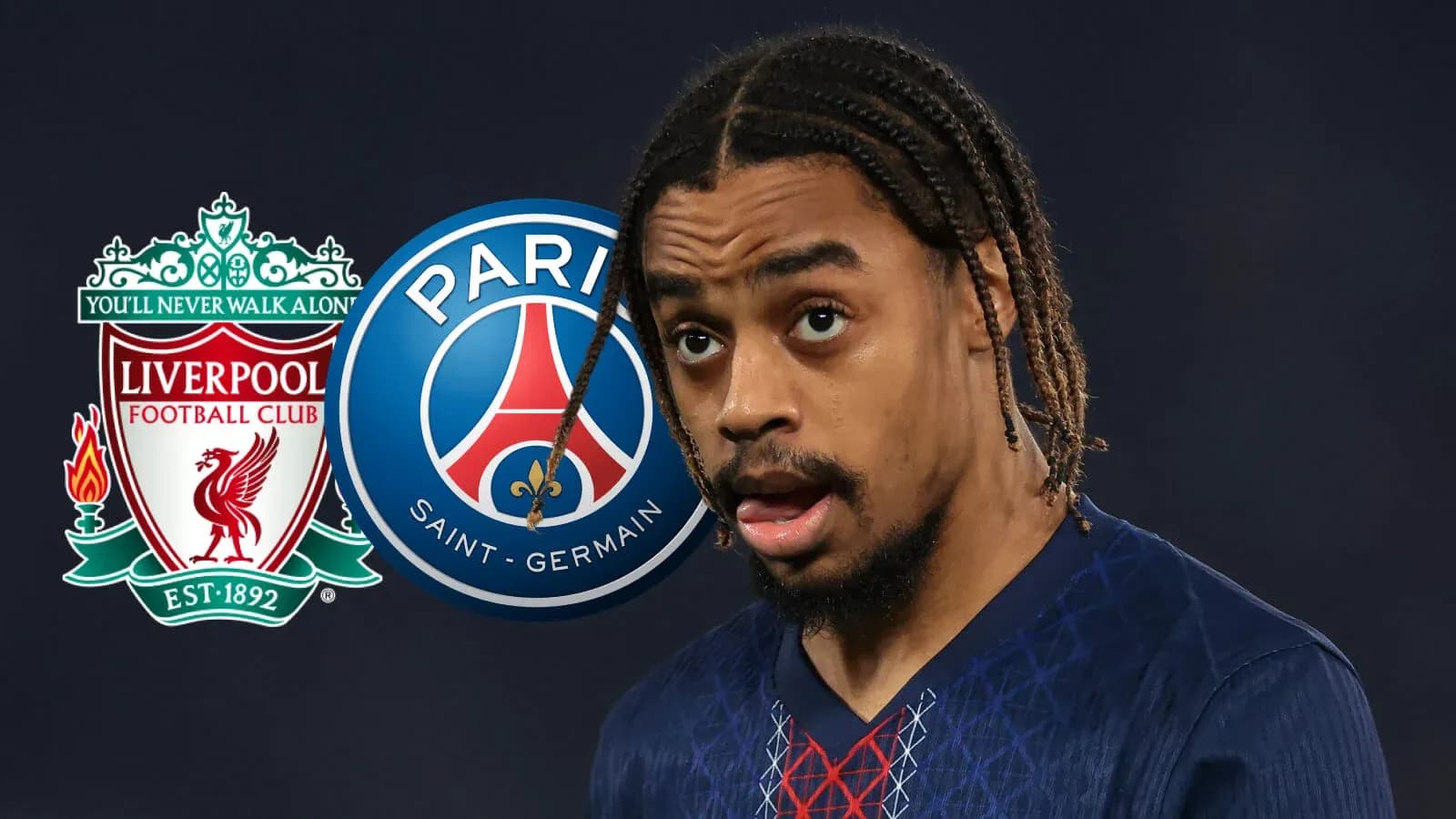
Arsenal are circling. Sky Sports report that Mikel Arteta’s side are lining up a move for the England defender before the window shuts, testing Bayer Leverkusen’s resolve with a bid that would go beyond £52m.
Leverkusen do not want to sell. They’ve made that clear. Quansah has developed into a cornerstone of their defence, and they know exactly what they have on their hands. But money talks, and this kind of money shouts.
Liverpool are still in the picture, at least on paper. The BBC report that the Reds retain first refusal if Leverkusen accept a bid, and they also hold an option to re-sign Quansah next summer for around £60m.
That clause is crucial. If Arsenal go past the £52m mark and push Leverkusen into a decision, the German champions face a stark choice: cash in now for more than Liverpool’s fixed buy-back, or wait and almost certainly lose him to Anfield for £60m in a year’s time if his trajectory continues.
Either way, the optics for Liverpool are brutal. This is a homegrown England international who came through their own system. They sold him for around £25m. If he ends up at Arsenal for a fee north of £60m, Liverpool will have effectively handed a fierce rival a top-level defender for a net gain of about £35m.
For a club that once prided itself on elite trading, that is a nightmare scenario.
A pattern of regret
Quansah is not an isolated case. He is the headline act in what now looks like Liverpool’s worst stretch of outgoing business in the modern era.
Caoimhin Kelleher, long viewed as one of the best back-up goalkeepers in the league and ready to start regularly in the Premier League, left for Brentford for an initial £12.5m. The deal could creep up to £18m with add-ons, but even at the top end it feels light for a 26-year-old keeper with proven big-game pedigree and years ahead of him.
Tyler Morton went to Lyon for what amounted to loose change in the current market. He barely had time to unpack before establishing himself as one of the standout midfielders in Ligue 1. Liverpool let a technically gifted, tactically intelligent midfielder go just as his value and influence began to spike elsewhere.
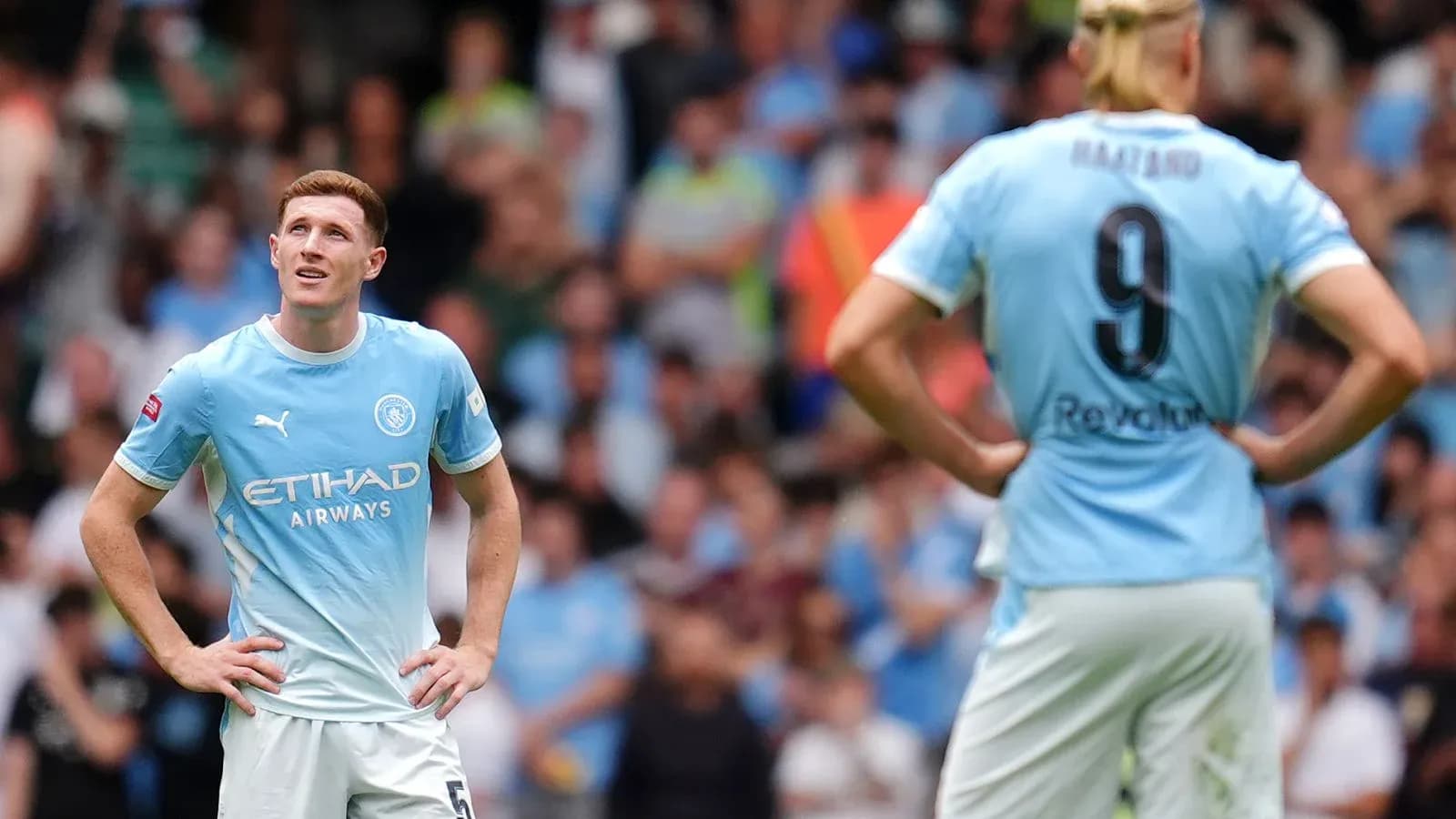
Harvey Elliott didn’t even bring in a fee, but his situation cuts just as deep. A loan that was meant to accelerate his development has done the opposite, stalling his progress and dragging down his valuation. A year of his career has drifted by, his stock diminished instead of enhanced.
Then there is Luis Diaz. A winger many regard as one of the best in the world in his position. Liverpool sanctioned his sale, only to find themselves staring at a market where a like-for-like replacement would likely cost close to double what they received for him. Selling elite wide talent is one thing; trying to replace it at today’s prices is quite another.
Each decision, on its own, could be debated. Together, they paint a grim picture.
From model operators to cautionary tale
For years, Liverpool were the reference point. Smart sales. Smart buys. Margins maximised. The phrase “sell to buy” didn’t sound like a constraint at Anfield; it sounded like a strategy.
This recent run has shredded that reputation.
The club have watched homegrown quality walk out the door for fees that already look outdated. They have allowed value to erode through misjudged loans. They have parted with world-class talent only to find the replacement market twice as unforgiving as before.
Most damaging of all, the squad has regressed. The outgoings were supposed to fund evolution. Instead, they have underwritten a step backwards on the pitch.
If Quansah does end up in an Arsenal shirt for more than £60m, that will be the moment this period of business is carved into Liverpool’s recent history as a cautionary tale.
A club that once set the standard in the market now faces a harsher question: how long will it take to undo the damage of one disastrous summer?