.svg&w=384&q=75 "Naijagoal logo")

Liverpool's Potential £1.35 Billion Investment: New Era Ahead
Liverpool could be heading into a new financial era, with some of the world’s richest figures circling Anfield.
A consortium fronted by former Queens Park Rangers co-owner Amit Bhatia and backed by the family of steel magnate Lakshmi Mittal is in talks to acquire up to a 30 per cent stake in the club, in a deal worth around £1.35 billion, according to the Daily Mail. The numbers are staggering. The implications could be even bigger.
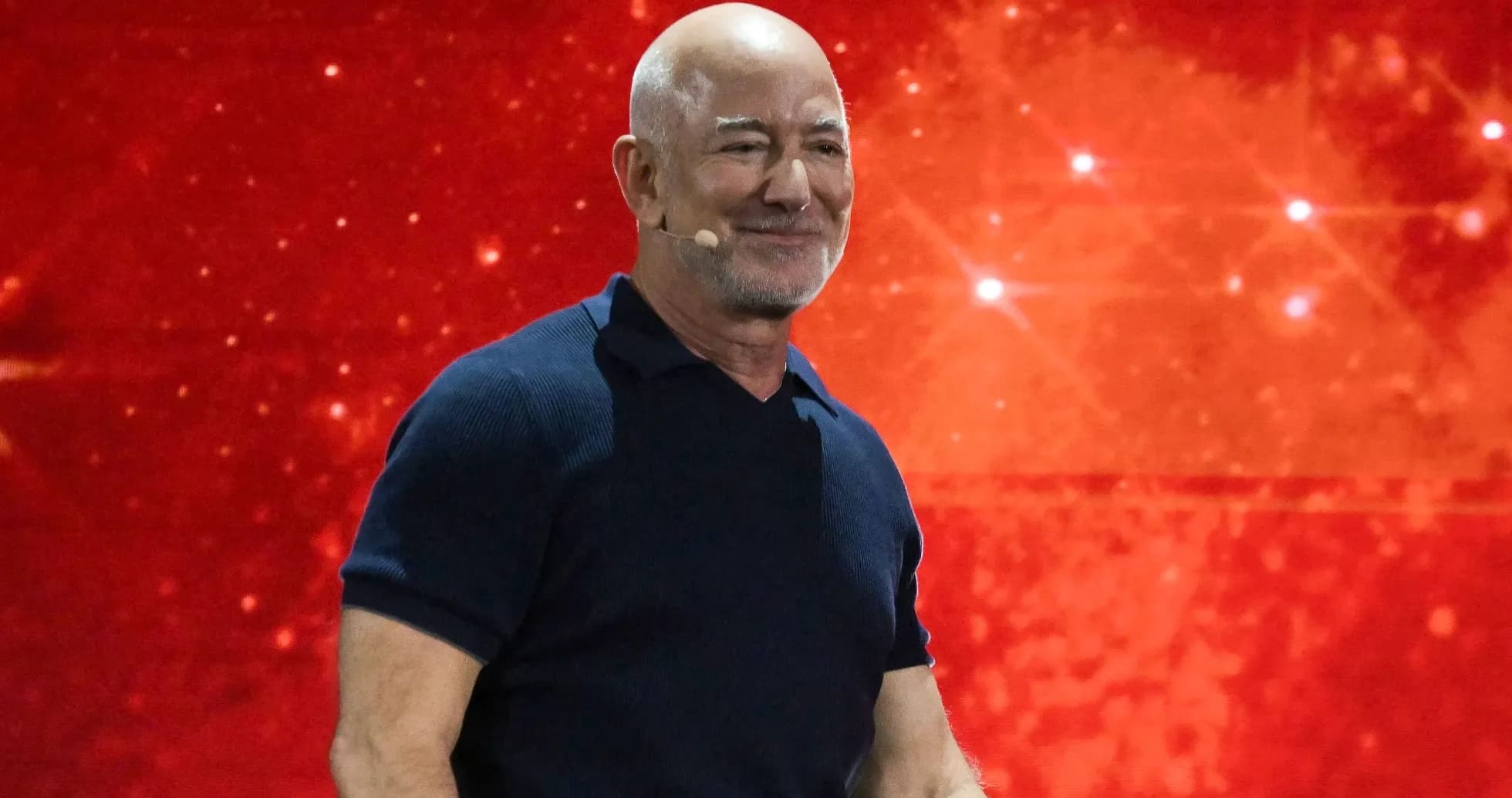
And there is an eye-catching twist: Jeff Bezos is reportedly interested in joining the group.
The Amazon founder, whose personal fortune is estimated at £192 billion ($257bn), is considering aligning himself with the bid to strengthen the offer. Fenway Sports Group, Liverpool’s owners, have confirmed contact from the Bhatia-led camp, underlining the seriousness of the approach.
“An investment consortium led, managed, and represented by Amit Bhatia has expressed interest in making a strategic minority investment in Liverpool Football Club,” an FSG spokesperson said.
This is not a takeover. It is a power play with fine margins and huge upside.
Football finance expert Kieran Maguire believes the proposed deal is precisely the kind of move FSG have built their reputation on: controlled, calculated, and firmly on their terms. Speaking to the Daily Mail, Maguire outlined the scale and structure of the potential agreement.
“As far as the potential Liverpool investment is concerned, it looks like it’s going to be up to 30 per cent or £1.3bn. That values the club at just over £4bn, which is broadly in line with expectations,” he said.
That valuation plants Liverpool among the elite tier of global sports franchises. It also underlines how far the club has travelled since FSG bought it for a fraction of that figure in 2010.
From Boston’s perspective, this is not cashing out. It is doubling down.
“From FSG’s point of view, it’s a super smart piece of business,” Maguire added. “Yes, they have sold part of the club before but this will ensure they still own a controlling stake of around 60 per cent.”
Control is the key word. A minority sale at that level allows FSG to bank a huge sum without loosening their grip on sporting decisions. Transfer policy, recruitment strategy, long-term planning – those remain in the same hands.
“So in terms of the long-term strategy of the club and the individual transfer windows and recruitment issues, it is still FSG’s decisions that are being made,” Maguire said. “If they are selling 30 per cent, that money goes to FSG not Liverpool, so there is no physical impact upon the club’s coffers.”
That last point will divide opinion on Merseyside. A £1.35bn injection that does not directly swell the club’s day-to-day budget will raise obvious questions among supporters who want to see spending on the pitch. Yet the play here is more subtle: leverage, not a one-off splash.
This is where the names behind the bid matter.
Maguire pointed to the clout that figures like Bezos and the Mittal family can bring. Their involvement is not just about prestige; it is about what their balance sheets and business networks can unlock.
“If the club is looking to borrow money at a future date for whatever circumstances and you are owned by Mittal’s son-in-law and Bezos, they will be in a position to lend money on an interest-free basis which can only help in terms of cash flow,” he explained.
Access to interest-free borrowing at that level would give Liverpool a powerful financial cushion. Stadium projects, infrastructure, strategic investments – all become easier to fund without draining operating income or taking on punitive debt.
Then comes the commercial side, where Bezos’ presence would send shockwaves through the football industry.
“Also, having a potential partner of the magnitude of Bezos does mean there is the opportunity for synergies,” Maguire said. “If Amazon Prime want to increase their global influence, then one way could be to do a partnership with Liverpool, whether in terms of content or sponsorship.”
The logic is obvious. Liverpool is one of the most recognisable sporting brands on the planet. Amazon is one of the most powerful platforms in the world. Put them together and the scope for joint ventures, exclusive content, and global campaigns is enormous.
“Liverpool goes out to the world and Amazon goes out to the world as well,” Maguire added. “As well out of the world, maybe! He is flying people into space after all.”
Behind the humour lies a serious point. This is the direction of travel at the top of modern football: sovereign wealth funds, tech giants, billionaires with space programmes. Clubs are no longer just teams; they are global entertainment assets, vehicles for content, data, and reach.
For FSG, a deal at this level would crystallise a huge profit on their original investment while keeping them firmly in charge. For Liverpool, it could mean a future underpinned by some of the deepest pockets in global business, without the upheaval of a full takeover.
The figures are dizzying, the names are headline-grabbing, and the structure is carefully calibrated. If the consortium and FSG can align, Liverpool’s next big signing might not be on the pitch, but in the boardroom.