.svg&w=384&q=75 "Naijagoal logo")
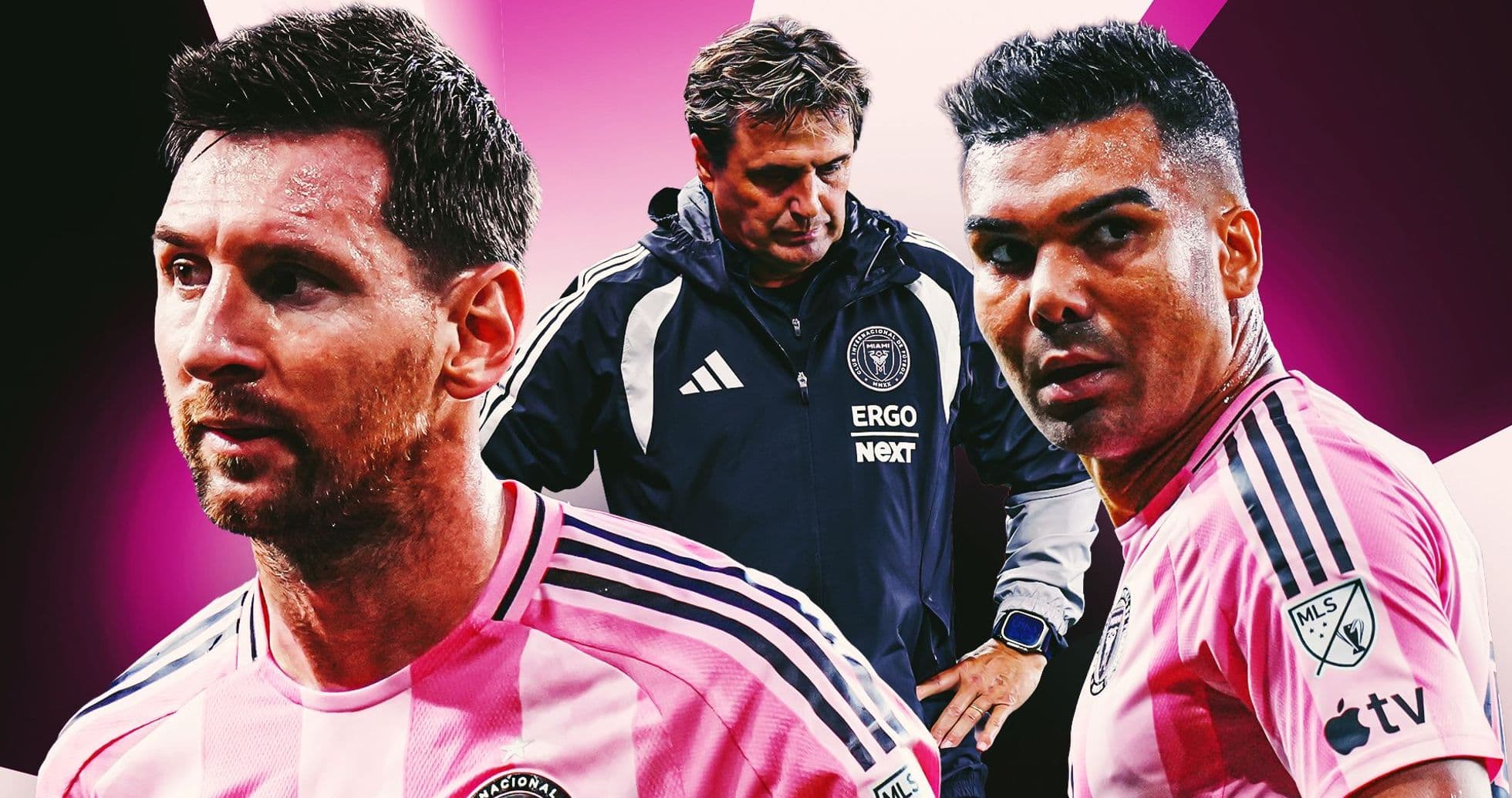

Inter Miami’s Future Beyond Messi: The Urgent Need for a Plan
Messi’s Impact and the Club's Current Crossroads
After a series of disappointing performances, Inter Miami faces a pivotal moment, especially with uncertainty surrounding their star player Lionel Messi’s future. Messi, at 39, remains arguably the greatest player ever, but his recent pattern of quickly leaving the pitch after games signals something deeper. The club's entire sporting and commercial identity revolves around him. When Messi plays well, Miami thrives.
Messi’s arrival transformed one of Major League Soccer's weakest teams into champions and raised Miami’s global profile. This success is also thanks to strong financial backing from Jorge Mas and the influence of David Beckham. Together, they created a nearly perfect formula, but one that clearly has an expiration date.
The Inevitable Question of Life After Messi
Messi’s contract runs through 2028, yet no agreement can guarantee a 39-year-old will continue playing until then. The 2026 World Cup, likely the end of his international career, has passed, and personal matters, like his recent Instagram post about his father’s death, hint at an uncertain timeline. The responsibility now falls on Miami to prepare for a future without him. Relying solely on Messi risks sliding back into mediocrity.
A Team Struggling Without Balance
Miami’s current squad reveals significant weaknesses. Their recent 4-1 loss to Nashville highlighted their defensive frailty and lack of midfield energy. Despite controlling possession, they were exposed on counterattacks. Players like Hany Mukhtar and Sam Surridge exploited spaces left open by Miami’s slow midfield and disorganized defense. Key figures like Casemiro and Luis Suarez show signs of decline, and the drop in quality between Jordi Alba and Sergio Reguilón is glaring.
This team is largely carried by Messi. When he is contained, Miami's limitations become obvious. Tactical fixes seem unlikely given the gaps in fitness, experience, and cohesion. At best, they are a middle-of-the-pack playoff side leaning heavily on one man.
Flawed Transfer Choices and Missed Opportunities
The club’s transfer activity hasn’t addressed these problems well or prepared for the post-Messi era. While MLS salary caps restrict spending, Miami have used creative financial moves to sign big names. Still, some decisions raise questions. Spending $15 million on forward German Berterame, who lacks standout qualities, seems questionable. Young midfielder Benjamin Cremaschi might have been better nurtured, offering youthful energy and balance.
Messi’s influence is clear in recruitment. The arrivals of Sergio Busquets, Jordi Alba, Rodrigo De Paul, and Casemiro were reportedly motivated by a desire to entice Messi or keep him sharp ahead of the World Cup. Casemiro himself admitted joining Miami to play alongside the "best player of all time." But building a team mainly to satisfy one player leaves little room for sustainability.
What if Messi Leaves?
If Messi departs, Miami face a bleak outlook. Expensive designated players like De Paul and Berterame remain under contract, with limited flexibility. Casemiro is not a designated player, but financial structures could change. The transition to a Fall-Spring MLS calendar starting in 2027-28 and possible salary cap reforms offer opportunities, but the club needs a clear vision.
Finding Messi’s successor won’t be easy. Ideally, someone like Julian Alvarez, who offers youth, talent, marketability, and an Argentine connection, could fill the void. However, Alvarez’s transfer price and salary demands make such a move highly unlikely given MLS’s typical spending levels.
Alternatively, American stars Christian Pulisic or Weston McKennie might fit Miami’s next chapter. Pulisic is the most recognizable U.S. player, while McKennie combines skill with personality. Neither, though, can replace Messi’s global pull or serve as the centerpiece around which the club is built.
The Business Behind Messi’s Presence
Messi is more than a player for Miami; he is the foundation of their business model. His name drives sponsorships, ticket sales, and worldwide attention. A stadium stand even bears his name, and reports suggest he holds ownership shares. Losing Messi would impact the club far beyond the field.
Looking Ahead: Can Miami Avoid Past Mistakes?
Before Messi, Miami was among MLS’s worst teams, despite signing notable players like Blaise Matuidi and Gonzalo Higuain. Attendance was low, the roster weak, and playoff chances slim. Messi’s arrival in mid-2023 sparked a dramatic turnaround, but recent results indicate the risk of reverting to old patterns.
The challenge is huge. Messi controls his timeline, and Miami must prepare for the inevitable without him. While one last championship run with Messi is possible, the team’s shortcomings make it a tough ask.
For now, Miami watches as their star heads to the tunnel after each tough loss, wondering what the club will become once he finally steps away.