.svg&w=384&q=75 "Naijagoal logo")

Is Harry Kane the Last of England's Legendary Strikers?
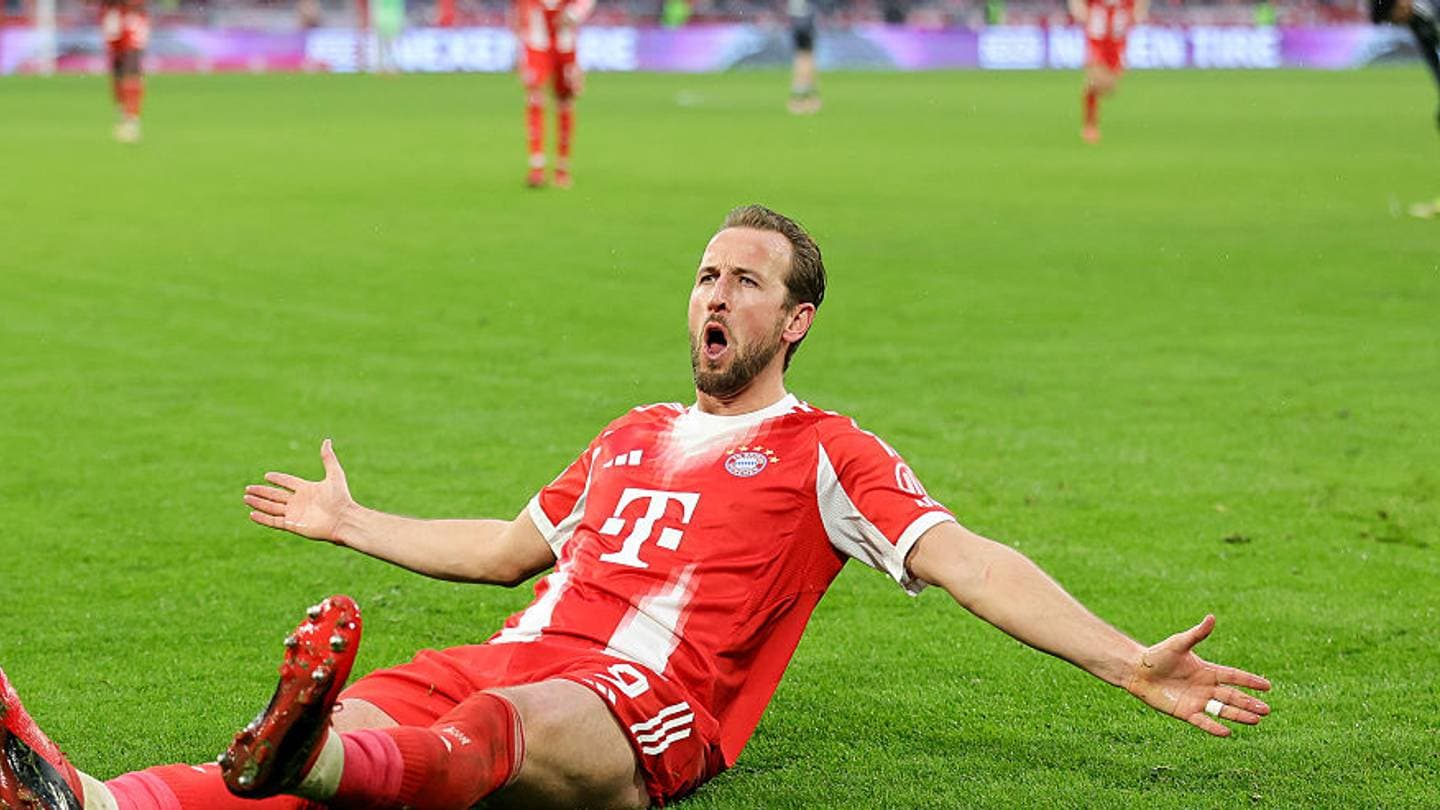
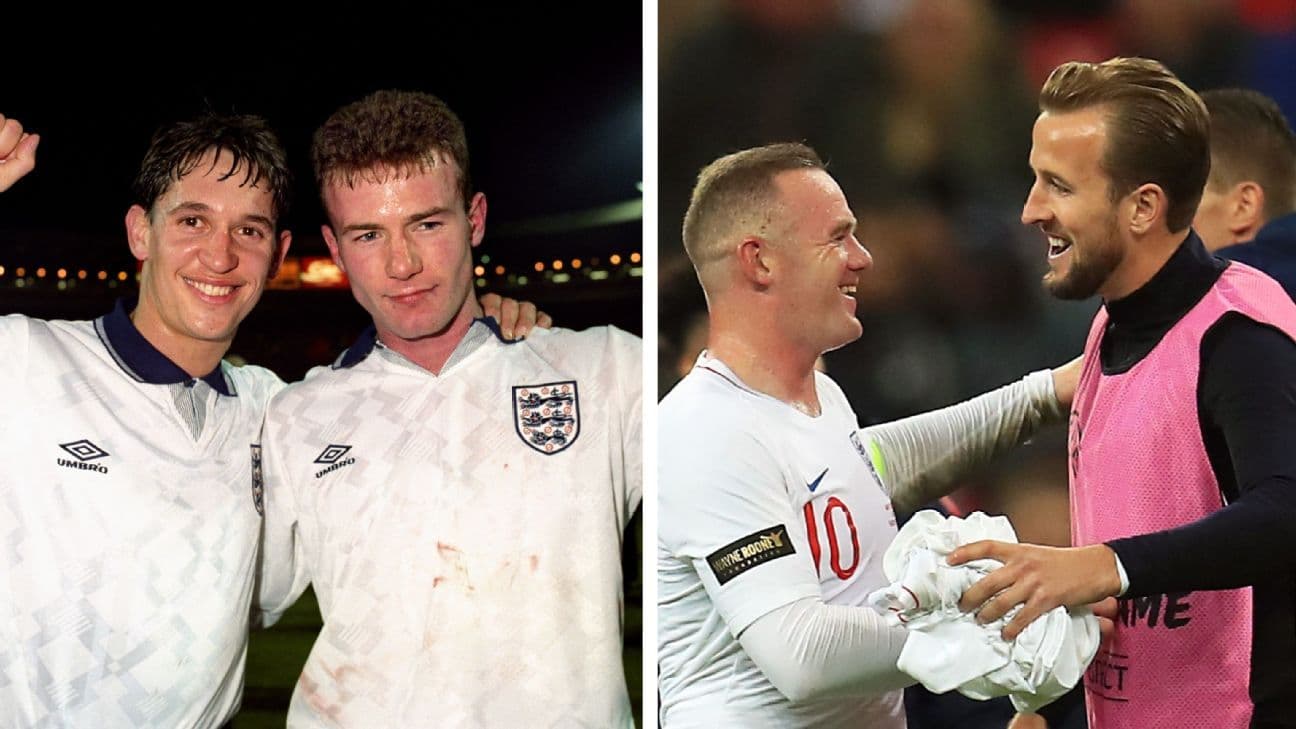
For over four decades, England has boasted a near-continuous stream of world-class forwards wearing the Three Lions shirt. From Gary Lineker to Wayne Rooney, and now Harry Kane, each has carried the hopes of a nation. Yet as Kane approaches what may be his final World Cup at 32, questions arise about who will follow in his footsteps.
This summer, as Kane leads England across the Atlantic, the pressure to perform is immense. The recent matches without him— a draw against Uruguay and a loss to Japan—offered a stark reminder of how much England relies on his presence. The team appeared disoriented and struggled to find its rhythm, igniting fears about the post-Kane era.
A Legacy Nearly Half a Century in the Making
Fans have rarely faced the prospect of England lacking a top striker since Tony Woodcock was replaced by Gary Lineker in 1984. Since then, a sequence of elite forwards—Lineker, Alan Shearer, Michael Owen, Rooney, and Kane—has led England’s front line at every major tournament they qualified for, starting with the 1986 World Cup in Mexico.
These players contributed an impressive 249 international goals combined, earning multiple Golden Boots and numerous accolades both internationally and at club level. Alongside them stood dependable scorers like Teddy Sheringham, Les Ferdinand, Ian Wright, and Jermain Defoe, forming a strong foundation for England’s attack.
Emile Heskey reflected, "The No. 9 back in the day was the role everyone wanted to play. It was all about goals, hold-up play, and impacting the game." He added, "Playing alongside Wayne Rooney meant figuring out how to create space and help the team rather than just being a lone striker."
Comparing England's Tradition to Other Nations
England’s run of top strikers is rare but not unique. France boasts a similar lineup from Jean-Pierre Papin through to Kylian Mbappé, though a two-year gap in the 1990s interrupted their flow. Their forward talent helped them secure World Cup titles in 1998 and 2018.
Spain’s dominance lies in midfield maestros rather than strikers, with legends such as Xavi and Iniesta shaping their success. Italy’s legacy in central defense features giants like Paolo Maldini and Fabio Cannavaro, though recent World Cup absences suggest that streak has ended.
These long runs of excellence often define football stereotypes and have played critical roles in their countries’ triumphs. England’s inability to find a new prolific striker after Kane might reflect mismanagement or just bad luck.
The Search for Kane’s Successor
Kane’s recent transfer to Bayern Munich brought a surge in form, scoring 95 goals in 93 Bundesliga appearances, cementing his place among the club’s finest. Yet his absence has exposed England’s lack of prolific strikers in the Premier League. Only three English forwards managed double-digit league goals this season: Ollie Watkins (16), Dominic Calvert-Lewin (14), and Danny Welbeck (13). All are around Kane’s age or older, making it unlikely they will fill his shoes in the long term.
Ivan Toney, another experienced striker, has been prolific in Saudi Arabia with 31 goals in 30 games but will also not offer a long-term solution. The younger generation offers little reassurance. England’s under-21 squad featured just two forwards, Liam Delap and Jay Stansfield, with Delap struggling during his first season at Chelsea.
The Premier League’s evolving style and global recruitment have diminished the traditional striker’s role, favoring mobile wide attackers like Marcus Rashford and Raheem Sterling. However, strikers appear to be making a return with signings like Erling Haaland and Alexander Isak demonstrating renewed interest in powerful forwards.
Heskey noted, "We never got another Michael Owen or Wayne Rooney, and we won’t get another Harry Kane. The game just changes, and so does the role of the striker."