.svg&w=384&q=75 "Naijagoal logo")


Enugu Rangers and Katsina United Open NPFL Season with 1–1 Draw
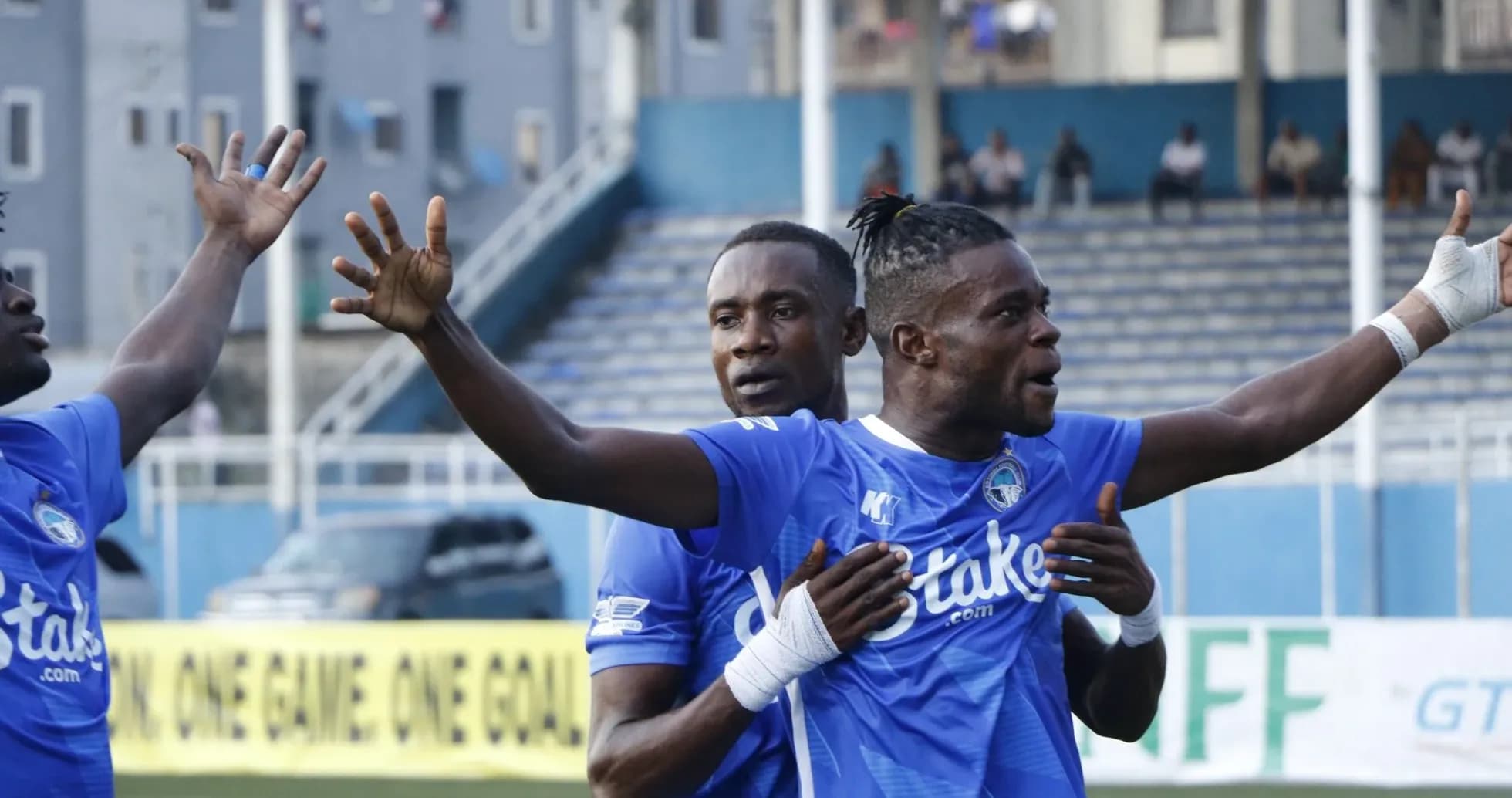
On a humid afternoon at Nnamdi Azikiwe Stadium, Enugu Rangers and Katsina United opened their 2027 NPFL campaigns with a 1–1 draw that felt less like a conclusion and more like the prologue to a season-long arm wrestle. Following this result, Rangers sit 10th and Katsina 11th, both on 1 point, both with a goal difference of 0 after scoring 1 and conceding 1 overall. The symmetry of the table mirrors the balance we saw on the pitch: two sides still learning their own identities, yet already revealing the contours of their tactical DNA.
For Rangers, this was a first home outing that underlined both promise and fragility. At home this season they have played 1, drawn 1, with 1 goal scored and 1 conceded, averaging 1.0 goal for and 1.0 against at Nnamdi Azikiwe. Katsina United, on their travels, have an identical away profile: 1 match, 1 draw, 1 goal scored, 1 conceded, averaging 1.0 goal for and 1.0 against away. The numbers tell us these are evenly matched outfits; the lineups hint at how they intend to separate themselves in the weeks ahead.
I. The Big Picture – Shapes without numbers, patterns without polish
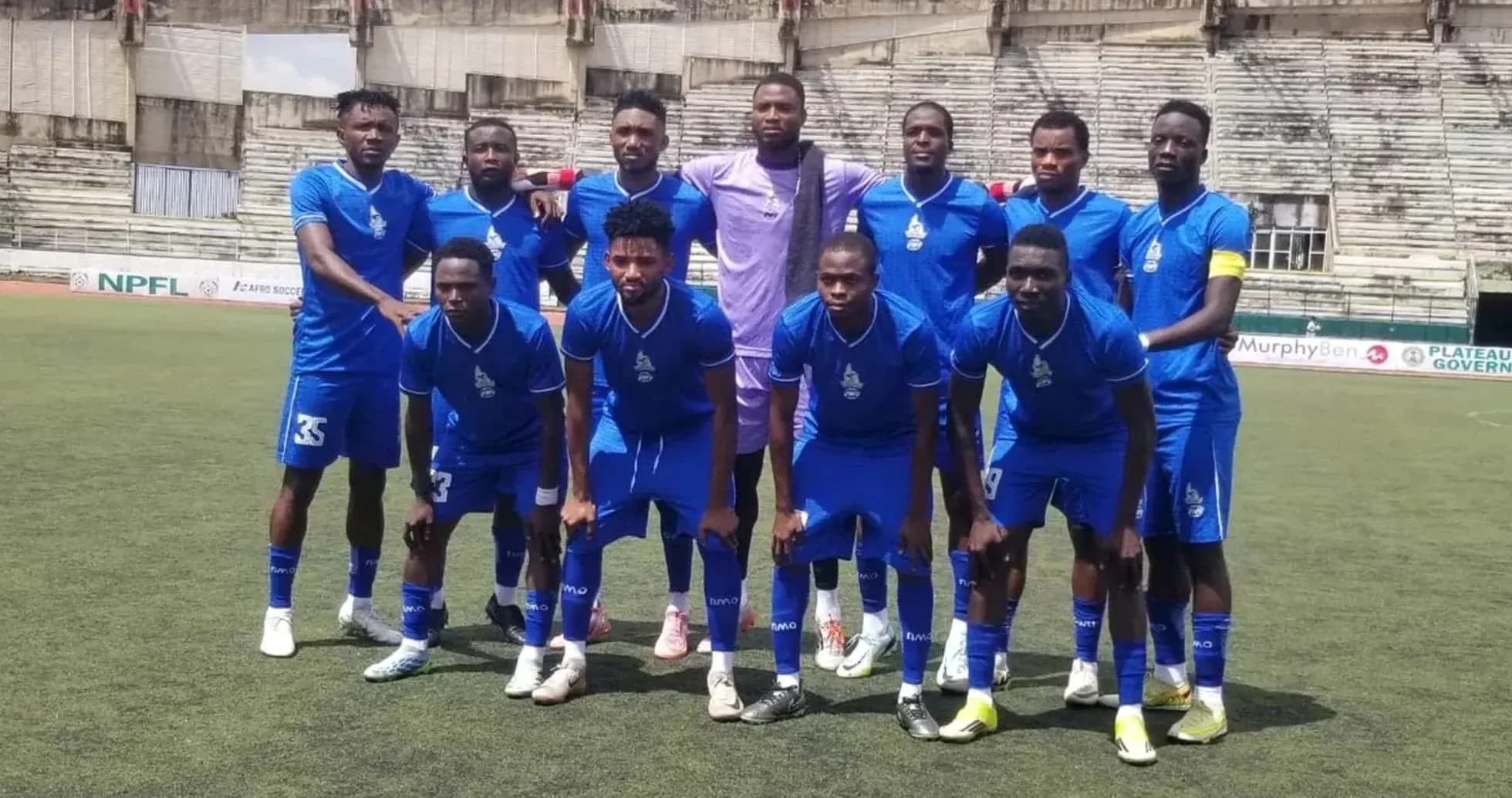
Neither side’s formation is listed, but the personnel sketch out their intentions. Ilechukwu Fidelis leaned into a Rangers side built on energetic wide play and a mobile front unit. L. Jimoh in goal anchors a defensive line of C. Oputa, K. Igboke, C. Iwundu and M. Daniel – a quartet that will be asked to balance front-foot aggression with the need for structure in transition. In front of them, I. Mgbemene and W. Ebirim profile as the likely double pivot, the hinge between defence and a creative band featuring A. Falolu, C. Igwilo and P. Agu behind the line-leading presence of G. Obaje.
Obaje is the natural focal point of this side. With Rangers having failed to keep a clean sheet at home and yet also not failing to score in any match so far, the onus is on him to turn half-chances into something more ruthless. Around him, Igwilo and Agu will be the runners and connectors, tasked with stretching defences that already know Rangers average 1.0 goal at home and will plan accordingly.
Katsina United’s starting XI suggests a more compact, transitional approach. F. Koroma in goal is shielded by a back line of K. Jinadu, Y. Mannase, I. Arigu and E. Bakare. Ahead of them, U. Essien and M. Okoro Ibe look like the natural screen, with S. Mubarak adding industry and vertical running. The attacking trident of D. Barnabas, L. Dadong and A. Garba offers directness and the threat of quick counters – precisely the sort of weapons you want when your away profile is built on resilience: 1 away draw, 1 goal scored, 1 conceded, no clean sheets but no defeats either.
II. Tactical Voids – Discipline, depth, and the unknowns
The disciplinary data is a blank slate: no recorded patterns of yellow or red cards across any minute range for either side. That absence of evidence means coaches cannot yet lean on trends like “late bookings” or “early rashness” when planning game management. It also places greater emphasis on in-game leadership from figures like Mgbemene and Essien, who must control tempo without the warning signs of prior card histories.
Squad depth, though, offers clues. Rangers’ bench is rich in like-for-like options. A. Okeke can step in for Jimoh if needed, while defensive alternatives such as D. Itodo, A. Opara and E. Okoko give Fidelis the flexibility to go to a back three or lock down a lead. In midfield, I. Assurance and F. Temitope provide different profiles – the former a likely destroyer, the latter a potential creative spark. Up front, S. V. Chimezie, W. Adebayo and K. J. Akugre offer varied attacking looks, from penalty-box poaching to wider, more elastic movement.
Katsina’s bench is shorter but pointed. S. Hamisu, U. Barau, M. Ismail, A. Musa, A. Dali, E. Oguocha and O. Samson suggest a spine of reinforcements that can stiffen the middle or refresh the front line. Without listed shirt numbers or roles, their tactical identities are more opaque, but the structure implies a coach comfortable rotating central pieces rather than overhauling the flanks.
III. Key Matchups – Hunter vs Shield, Engine Room vs Engine Room
The “Hunter vs Shield” duel centres on G. Obaje against the Katsina central pairing of Y. Mannase and I. Arigu. With both teams conceding exactly 1.0 goal on their respective home and away splits, this is not a clash of free-scoring attack versus porous defence; it is about marginal gains in the box. Obaje’s ability to pin Mannase, drag Arigu out of position and create space for late-arriving runners like Falolu and Igwilo will dictate whether Rangers’ home average of 1.0 goal can be nudged upwards.
At the other end, D. Barnabas is the spearhead of Katsina’s counter-attacking threat. His runs into the channels between Oputa and Iwundu, or off the shoulder of Daniel, will test a Rangers back line that has yet to prove it can close a game out. With Rangers conceding 1.0 goal at home and Katsina scoring 1.0 away, this is a finely balanced “Shield vs Hunter” inversion: whoever blinks first in transition may tilt the contest.
The “Engine Room” battle is no less decisive. I. Mgbemene and W. Ebirim versus U. Essien and M. Okoro Ibe is a contest for control of second balls and rhythm. Rangers want the game played in Katsina’s half, with sustained pressure and quick combinations around the box. Katsina want broken play, turnovers and vertical passes into Barnabas, Dadong and Garba. With no penalty attempts taken by either side this season – and therefore no margin for soft, spot-kick-driven goals – dominance in open play becomes everything.
IV. Statistical Prognosis – Margins, xG echoes, and defensive steel
There is no explicit xG data in the snapshot, but the symmetry of the early-season numbers hints at balanced underlying chances: both sides have scored 1 and conceded 1 overall, with identical averages of 1.0 goal for and 1.0 against in their respective home and away contexts. Neither has kept a clean sheet; neither has failed to score. That duality suggests a game state that naturally drifts toward 1–1 or a narrow 2–1 swing rather than a blowout.
Rangers’ slight edge lies in familiarity with Nnamdi Azikiwe and the depth of their bench. Fidelis can change the tempo with Temitope or add a different attacking reference with Akugre, chasing a late winner if the match settles into a stalemate. Katsina’s resilience on their travels, however, is already evident: they have not lost away, and they have found a way to score despite limited possession.
If we project forward, the statistical logic leans toward another tight affair: a home side that averages 1.0 goal scored and 1.0 conceded at home, against an away team that averages 1.0 scored and 1.0 conceded on their travels. Unless one coach decisively reshapes the attacking structure – perhaps by pairing Obaje with Akugre earlier, or unleashing Barnabas and Garba in more advanced starting positions – the most likely script remains a low-scoring, hard-fought contest where the first goal does not decide the game, but the second almost certainly will.