.svg&w=384&q=75 "Naijagoal logo")

England's World Cup Exit: Tuchel's Tactics Under Fire
England’s World Cup exit is still raw. The inquest, though, has already begun inside the dressing room.
Several England players – including more than one senior figure – were left baffled by Thomas Tuchel’s defensive reshuffle in the semi-final defeat to Argentina, with some believing the changes dragged the team towards trouble rather than away from it.
A Lead, Then A Retreat
England had the game where they wanted it. On 55 minutes, Morgan Rogers darted down the right, picked his moment and picked his man. Anthony Gordon arrived from the left and finished, the kind of winger-to-winger move this side has been built around all tournament.
Argentina rocked. Their full-backs, long highlighted by England’s analysts as a weakness, were suddenly exposed. The plan – pace wide, aggression high – was working.
Then the match flipped.
Seventeen minutes after Gordon’s opener, with Argentina beginning to dominate the ball and England sinking ever deeper, Tuchel made his first big call. Gordon, the goalscorer and one of the main outlets, came off. Ezri Konsa came on. The shape shifted to a back five with more than half an hour still to navigate.
Inside the camp, some players could not understand it. They felt the decision surrendered the initiative and stripped England of their threat on the break.
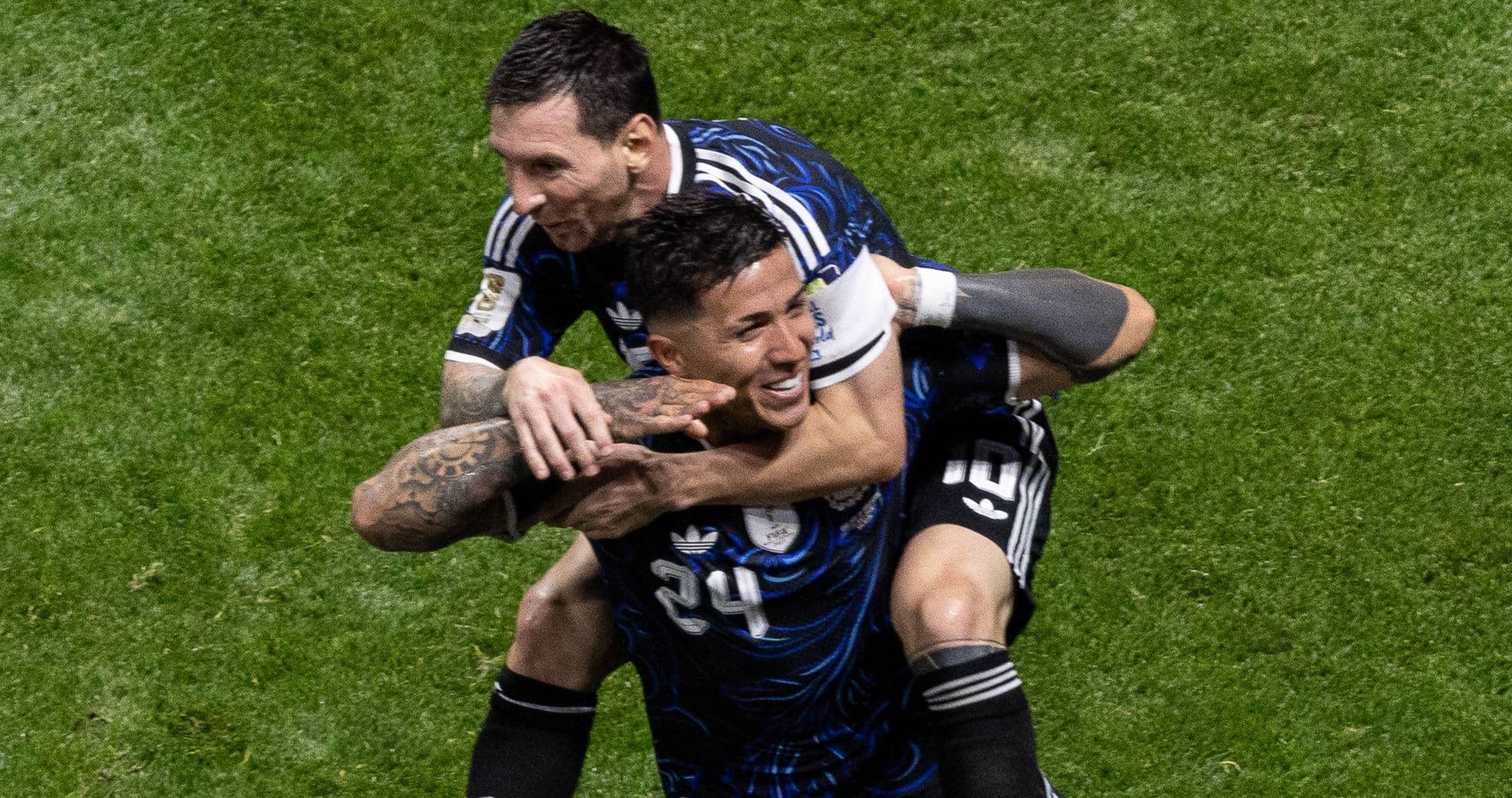
Ten minutes later came the second twist. Declan Rice, who had been battling illness and fitness issues throughout the tournament, made way for Nico O’Reilly. On paper, fresh legs in midfield. In reality, England now had six defenders on the pitch, four of them centre-backs, with Harry Kane dropping deeper and deeper to help repel the waves of Argentine attacks led by Lionel Messi.
The sense among a number of players was stark: England had no out-ball. No one to hold it up. No one to carry it into the corners. No one to stretch a tiring back line. The very qualities that had defined their attacking identity over the past month were suddenly sat on the bench.
Noni Madueke, Bukayo Saka and Eberechi Eze never got on. Marcus Rashford arrived in the 96th minute, by which time Enzo Fernandez and Lautaro Martinez had already turned the game on its head.
Between Gordon’s goal and Martinez’s stoppage-time winner, England had just 12 per cent of the ball. That statistic has hung over the squad since.
Tuchel Stands Firm
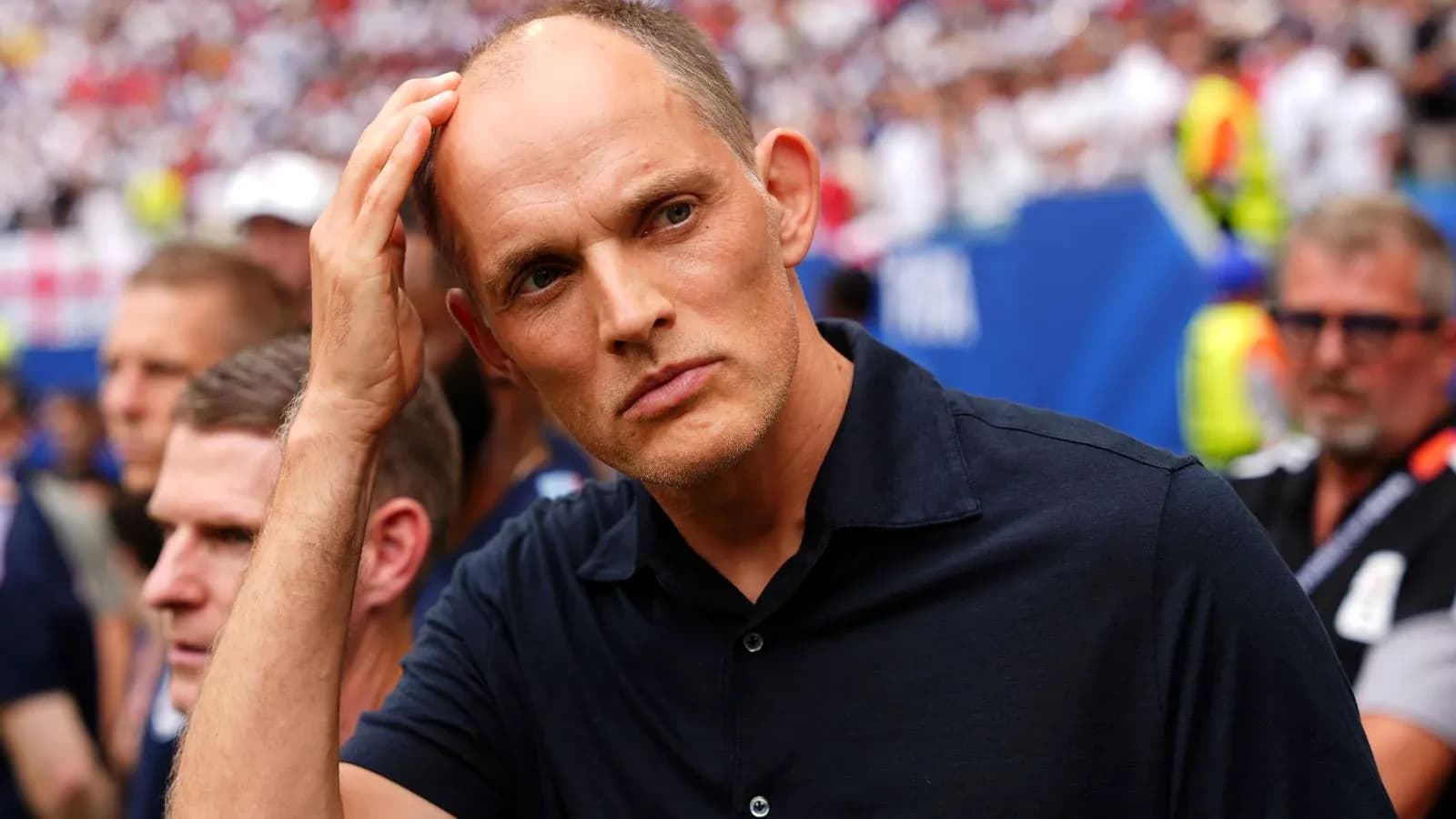
Tuchel, speaking after the defeat, did not back away from his decisions. He admitted he had not yet reviewed the match in detail but was clear in his belief: the problem, in his eyes, runs deeper than one night and one set of substitutions.
He argued that English football carries a systemic flaw, a “DNA” issue, where players struggle to keep possession under intense pressure compared with their Spanish, Argentinian and Brazilian counterparts. In his view, the tactical switch to a back five was logical. Argentina had introduced Nico Gonzalez on the left, pushed Messi to the right in an aggressive 4-2-4, and began slinging crosses into the box. Tuchel wanted extra bodies to cut out those deliveries and compress the spaces that Messi and Gonzalez were starting to find.
He does not believe the tactical plan was wrong. Many of his players quietly disagree.
From their perspective, the changes felt negative, inviting Argentina onto them and removing the few tools they had to relieve pressure. With every clearance coming straight back, the defence had no chance to reset, no opportunity to step up, no way to breathe.
What they make of Tuchel’s broader claim about English football’s “DNA” is less clear. Some are still processing those comments. The suggestion that they are inherently less capable of keeping the ball under duress than players from other nations has not gone unnoticed.
No Split, But Serious Questions
Despite the disagreement over tactics, there is no suggestion of a rift. The dressing room remains united behind Tuchel. Players still see him as a powerful, charismatic figure, a coach with a clear vision who has lifted standards and commanded respect from day one.
The Football Association hierarchy are equally unwavering. Tuchel retains their full backing after the semi-final exit and has publicly committed himself “100 per cent” to leading England into Euro 2028, when the country will share hosting duties with Scotland, Wales and the Republic of Ireland.
The debate now is not about his job, but his judgement on the biggest nights.
England had built an attacking blueprint around pace out wide and exploiting vulnerable full-backs. In the most important 40 minutes of their World Cup, that blueprint was effectively abandoned as the team sank into its own half, overloaded with defenders and starved of the ball.
Tuchel insists the issue lies in the national game’s deeper fabric. Some of his players believe the issue lay in the dugout on a single, pivotal evening.
Euro 2028 will tell us which of them is right.