.svg&w=384&q=75 "Naijagoal logo")
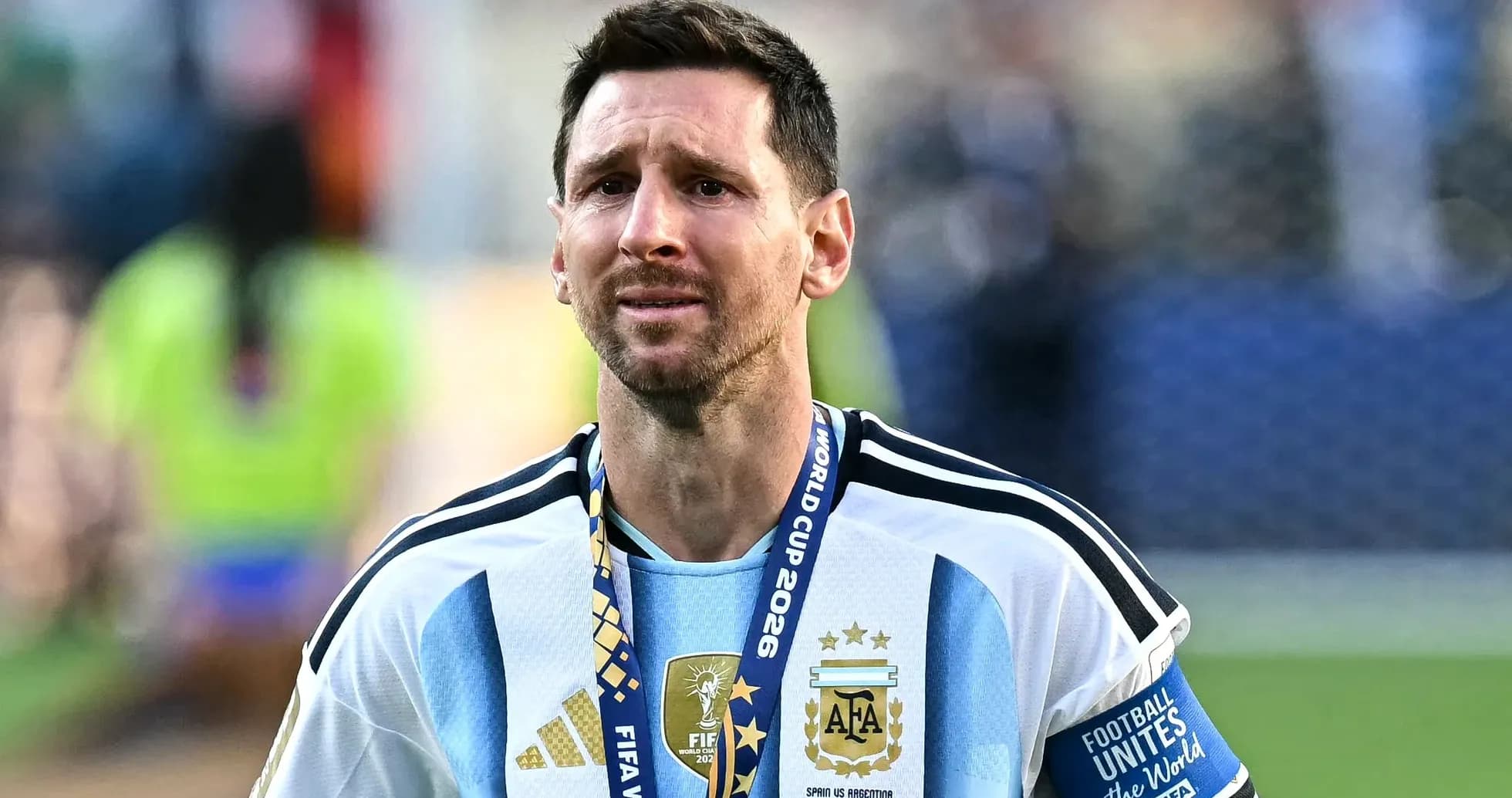

Argentina's National Team Returns Home for Three Matches
The Albiceleste are coming home. All the way home.
The Argentine Football Association (AFA) are working on a three-game home series for the FIFA international window between 21 September and 6 October, according to ESPN Argentina, with Lionel Scaloni’s new‑look side set to play the entire stretch in front of their own people.
The first stop is almost locked in: El Monumental. The idea is a curtain-raiser in Buenos Aires against either South American opposition or a visiting CONCACAF side, a heavyweight friendly to restart a new era in familiar surroundings.
Then the national team is expected to hit the road.
Cordoba and Rosario have moved to the front of the queue to host the remaining two fixtures, with the AFA keen to spread this post‑Messi homecoming across the provinces. It would mean three different cities, three different atmospheres, one long embrace between the world champions and a fanbase still adjusting to life without their greatest icon.
On the morning edition of Sportscenter, ESPN journalist Diego Monroig underlined just how close the plan is to reality. He reported that Scaloni’s men are “in a 90 percent chance” of playing the whole window in Argentina after the collapse of an overseas tour that had been in advanced talks.
That collapse has a name attached to it: Lionel Messi.
His decision to end his international career cut short plans for an Asian tour, including a proposed game in China that had been described as “almost confirmed.” Once Messi walked away, the logic of a commercial-heavy trip on the other side of the world faded quickly. The focus swung back to the local crowd, to a reset on home soil.
While friendlies are being shuffled on one side of the calendar, the bigger picture looms on the other.
CONMEBOL and FIFA are deep in negotiations over South America’s qualification format for the next World Cup, which Argentina will co-host alongside Uruguay and Paraguay. The central question is simple but decisive: will the automatic spots granted to the three hosts be taken out of the region’s traditional 4.5 or 5.5 berths, or will they be added on top of them?
The answer will shape the entire qualifying marathon, the stakes for the chasing pack, and the competitive rhythm of the continent over the next cycle.
Argentina, though, have already made their stance clear. Despite holding a guaranteed place as co-hosts, the Albiceleste have formally asked to play the qualifiers in full. They do not want a free ride. They want the grind, the away days, the pressure, the rhythm that has defined their recent dominance.
Before that road begins, Scaloni has work to do.
The three-match autumn window offers a crucial laboratory after July’s narrow 1-0 World Cup final defeat to Spain, a result that closed one chapter and ripped open another. With Messi gone, the coaching staff must redraw the tactical map, adjust leadership hierarchies, and accelerate the integration of a new generation that will no longer have the safety net of their talismanic former captain.
There is no time to ease into it. Another FIFA window follows quickly from 9 to 17 November, extending what will be a relentless international stretch. Every camp, every session, every friendly now carries extra weight. Selection decisions are no longer about complementing Messi; they are about constructing an entirely new core.
The 2027 calendar will arrive faster than anyone expects. By then, Argentina must know exactly who they are without the man who defined them for so long. The next few nights under the lights in Buenos Aires, Cordoba, and Rosario will start to tell that story.