.svg&w=384&q=75 "Naijagoal logo")
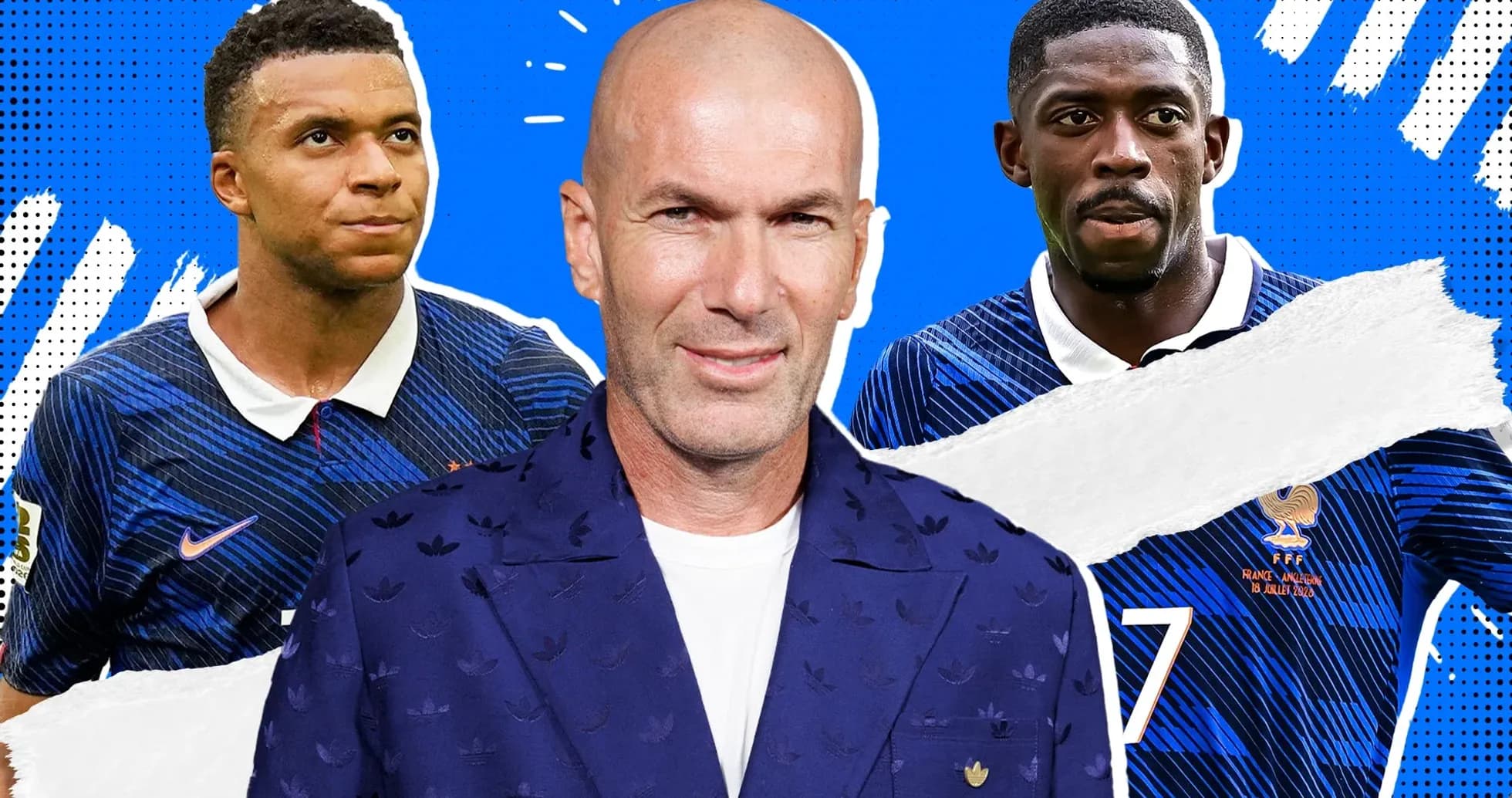

Zinedine Zidane Returns as Head Coach of France National Team
Zinedine Zidane is back. Not in Madrid, not in Turin, not in some super-club dugout with a blank cheque book. Back where his story has always felt destined to circle: in charge of France.
After years of speculation, flirtations and flat denials, the worst-kept secret in international football finally became official as the French Football Federation confirmed Zidane as the new head coach of Les Bleus, replacing Didier Deschamps after a 14-year reign.
The end of an era, the start of another
Deschamps departs as one of the most successful international managers of his generation. He restored France’s reputation after the chaos of the late 2000s, rebuilt the dressing room, and delivered the 2018 World Cup, along with regular deep runs at major tournaments. Under him, France became a machine: efficient, ruthless, consistently in the conversation.
Philippe Diallo, president of the French Football Federation, did not let that pass without recognition. He called it an “exceptional moment,” underlining that it had been 14 years since the federation last appointed a new head coach and praising Deschamps for taking the national team “to the top” and restoring its image. Fourteen years of continuity, ended in a single announcement.
Into that space steps Zidane, the most iconic French football figure since the late 1990s and, in many ways, the embodiment of the modern France team’s identity. Player, captain, symbol. Now, selector and strategist.
Zidane’s long wait
Zidane has not coached since leaving Real Madrid in 2021, a five-year hiatus from the touchline that has only added to the sense of anticipation around his next move. Offers came. Big ones. He turned them down.
He admitted it openly at his unveiling on Tuesday morning. This was the job he wanted. The only job he wanted.
“I am truly happy. I am ready for the challenge, it motivates me,” he said, describing the France post as a “great source of pride.” He repeated a sentiment he has voiced for years: “There’s nothing greater than the French national team.”
For Zidane, this is not a late-career diversion. It is the culmination of a journey that began in the youth ranks of the national setup and climbed all the way to the World Cup win of 1998 and the Ballon d’Or that followed. “I started in the youth teams, I went through every stage until reaching the senior national team, the pinnacle,” he reminded the room. Now he returns to the same crest, wearing a suit instead of a number 10 shirt.
He made a point of thanking Diallo, the executive committee and the federation for their faith, and he paused to acknowledge Deschamps and his staff for their 14 years of service. There was also a nod to his own mentors: “I also have a special thought today for all my coaches.” The subtext was clear. Zidane knows the weight of the role he is inheriting.
A serial winner in the dugout
If his playing career was gilded, his coaching résumé at Real Madrid turned into a trophy avalanche. Three consecutive Champions League titles. Two La Liga crowns. Two UEFA Super Cups. Two Club World Cups. A team of stars, yes, but also a dressing room that needed managing, egos that needed balancing, and a club that demands silverware as a minimum requirement.
That record still places him among the most respected managers in world football, even after his time away from the game. The absence has not dulled his ambition.
“Needless to say, I have high ambitions for the French national team,” he said. The line was delivered calmly, but it landed with intent. This is not a caretaker era. This is a man who has only ever operated at the highest level demanding the same of his country.
One obsession: France
Zidane did not hide how single-minded he has been about this moment. “The only thing I wanted to do after my experience at Real Madrid,” he said, was to lead France. He repeated it, almost word for word: “Leading France is the only thing I wanted to do after my experience at Real Madrid. I turned down offers to be the France head coach.”
For years, that stance left him hovering on the edge of the international scene, a permanent shadow over Deschamps’ position. Now the overlap is gone. The job is his, the responsibility too.
“The only thing that motivates me is being able to work for this team and see them continue to win,” he explained. That line reveals the balance he must strike: continuity of results, evolution of style. France do not need a revolution. They need a refresh under a man who understands the shirt as well as anyone alive.
Eyes on Euro 2028
Zidane’s first major target is already in view: Euro 2028 in the UK and Ireland. The preparation starts now. He inherits a squad stacked with talent, from established superstars to a relentless conveyor belt of young prospects. The challenge will not be finding quality; it will be channelling it, keeping it hungry, and ensuring France remain a step ahead tactically and mentally.
Diallo framed the appointment as a historic turning point. Zidane framed it as a duty. Between those two positions lies the future of Les Bleus.
He has known the anthem from the pitch. He has lifted the World Cup as a player. He has dominated Europe as a coach. Now he steps into the one role he has clearly been waiting for, the one that aligns his past, his prestige and his ambition.
France have handed the keys of their golden generation to Zinedine Zidane. The question now is not whether he can handle the weight of the job.
It’s how far he can push a nation that already expects to win.