.svg&w=384&q=75 "Naijagoal logo")

Zidane's Arrival: What It Means for Benzema and France
Karim Benzema didn’t hesitate.
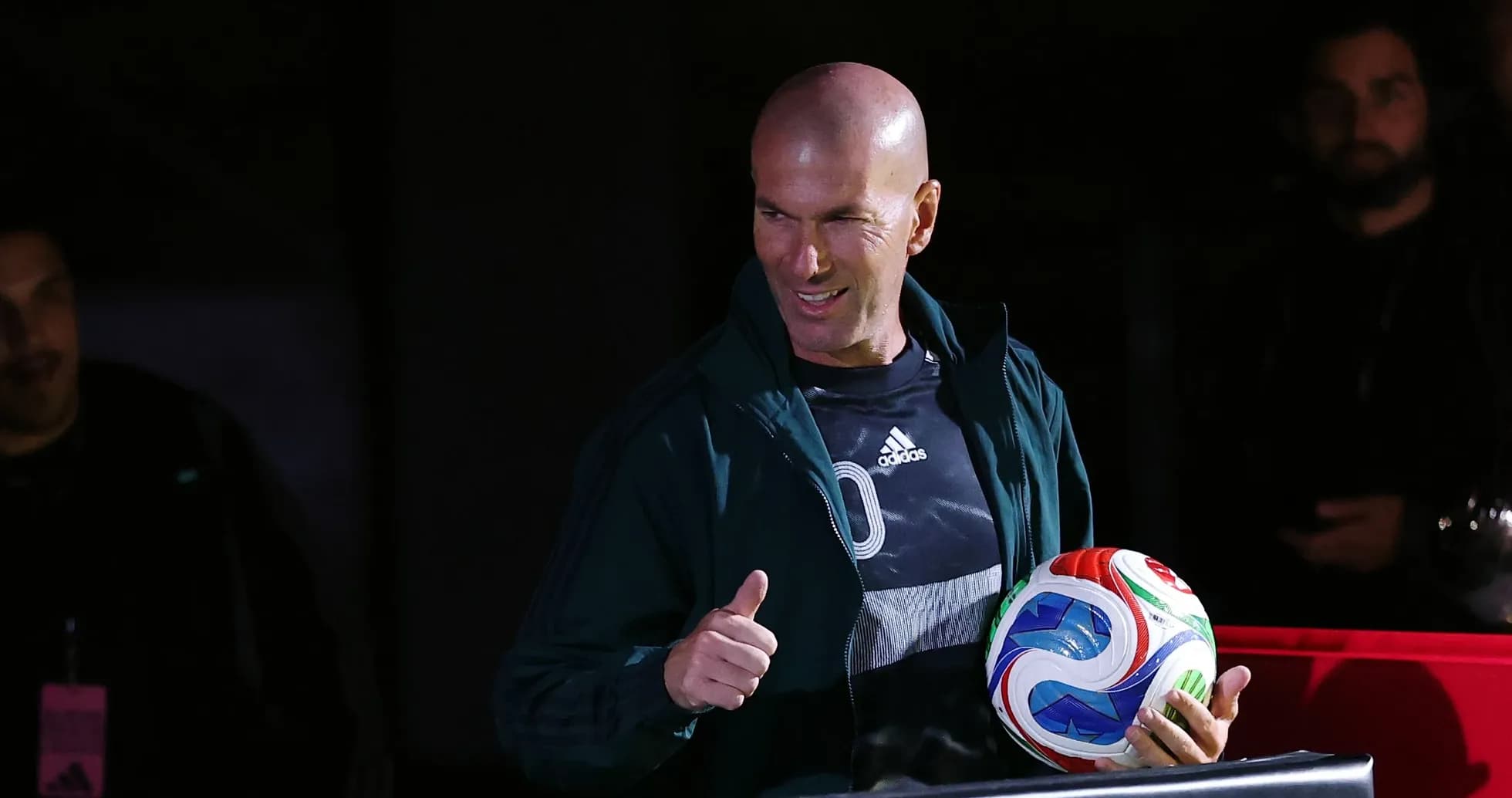
Asked about Zinedine Zidane’s impending arrival on the France bench, the veteran striker went straight to the heart of it.
“He’s a legend, he’s the big brother,” Benzema said in an interview with Konbini’s “In or Out” segment, the words carrying the weight of years shared in the white of Real Madrid and nights defined by trophies. “Am I happy about him becoming the manager of Les Bleus? I don't know for sure if it’s him, but if it is him, yes, I am seriously happy.”
In a few sentences, Benzema captured what much of France is feeling: the end of one era, the beginning of another.
Deschamps out, Zidane incoming
France’s semifinal exit at the 2026 World Cup marked more than just a bad night. It signalled the closing chapters of the Didier Deschamps reign, a tenure that delivered a World Cup, a Nations League and a near-miss at Euro 2016, but ultimately ran out of road.
Now the French Football Federation is moving to formalise what has long felt inevitable. The FFF has called a press conference for Tuesday, fronted by president Philippe Diallo, after an extraordinary executive committee meeting earlier that morning. Officially, the federation has not yet confirmed Zidane’s appointment. Unofficially, everything is pointing in one direction.
Diallo has already promised an announcement before the end of the month. All signs suggest Tuesday is the day Zidane is finally presented as Deschamps’ successor.
A “long-awaited unveiling” is how the FFF framed it. For a country that has watched Zidane wait on the sidelines, turning down club offers while the national team job remained occupied, it feels exactly that.
Benzema and Zidane: a bond forged in Madrid
Benzema’s enthusiasm is not abstract. It is rooted in one of the most successful manager-player relationships of the modern era.
Under Zidane at Real Madrid, across two spells (2016–18 and 2019–21), Benzema became far more than a No. 9. He became the manager’s on-pitch extension. Trusted, relied upon, constantly involved.
Across those years he scored 108 goals, a total bettered only by Cristiano Ronaldo in Zidane’s squads. He linked with Ronaldo and Gareth Bale in the famed “BBC” trident, sometimes sacrificing his own numbers to serve the system, sometimes stepping into the spotlight when Madrid needed a different hero.
Those seasons yielded an avalanche of silverware. Three consecutive Champions League titles in 2016, 2017 and 2018. Two LaLiga crowns. UEFA Super Cups, Spanish Super Cups, FIFA Club World Cups. Zidane orchestrated it from the touchline; Benzema lived it in the penalty area.
So when Benzema calls Zidane “the big brother”, it is not a throwaway line. It is a reflection of a structural bond built in dressing rooms, training pitches and finals under floodlights.
A door opening for Benzema?
Zidane’s arrival instantly raises another question: what about Benzema himself?
At 38, many international careers are long over. Benzema’s is complicated, punctuated by absence, return and fresh controversy. Yet on the pitch, the numbers remain stubbornly impressive.
Now at Al-Hilal, he has nine goals in 13 appearances this season, maintaining the same clinical edge that defined his prime years in Europe. Before that, at Al-Ittihad, he scored 57 times in 87 matches, proving that his instincts in front of goal have not dulled with age.
Zidane’s appointment naturally fuels speculation about a possible recall. The two men know each other’s footballing language by heart. Zidane trusts Benzema. Benzema thrives under Zidane.
But the equation is no longer as simple as just reuniting old allies.
A new-look French attack
France’s attack has shifted shape while Benzema has plied his trade abroad. A new generation is already carving out its space.
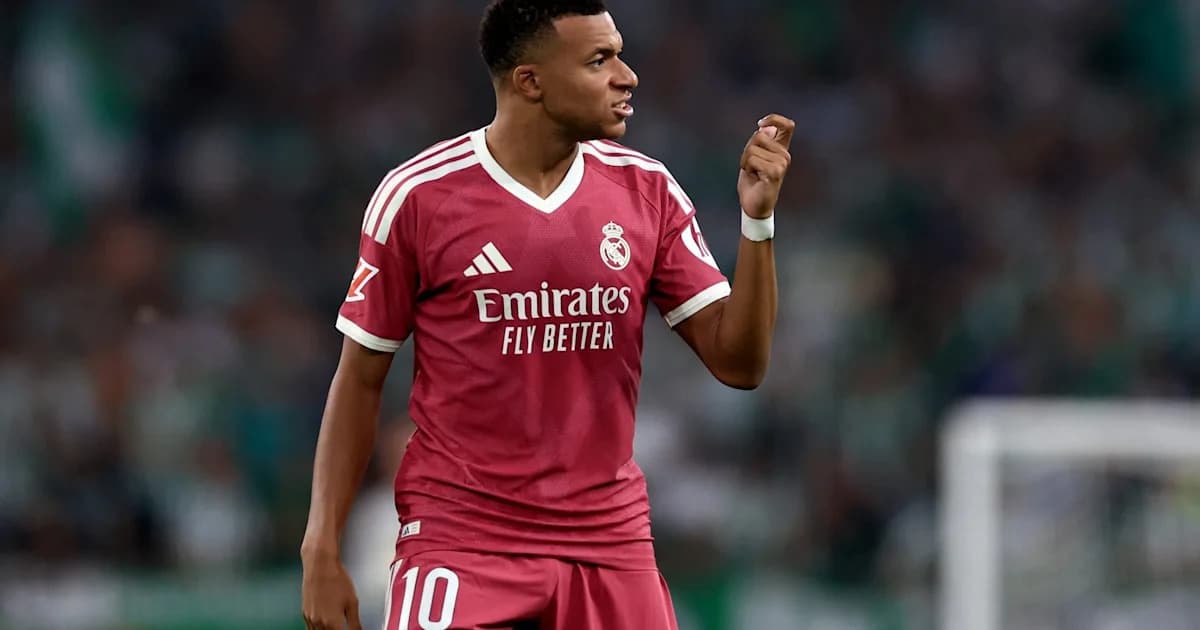
Kylian Mbappé remains the axis, the superstar around whom everything revolves. Ousmane Dembélé brings chaos and width. Around them, fresh names are emerging: Michael Olise, with his guile and creativity; Bradley Barcola, with his direct running and fearless approach.
This is not the same France Benzema left behind. The forward line is younger, faster, and stacked with players still climbing towards their peak.
Any return for Benzema would depend entirely on Zidane’s vision. Does he see value in an experienced finisher to guide and complement the new wave? Or does he choose to push fully into the future, handing the keys to Mbappé and the rising talents without looking back?
For now, there are no answers, only possibilities.
A new chapter for Les Bleus
What is clear is that France is on the verge of a historic transition. Deschamps, the captain of 1998 and the coach of 2018, passes the baton to another icon of that first World Cup triumph, a man whose name still echoes from Saint-Denis to Yokohama.
Zidane steps into a role he has seemed destined for, carrying not only his tactical acumen and calm authority, but also the expectations of a nation that associates him with greatness.
Benzema has already nailed his colours to the mast. He wants Zidane. He welcomes the change. Whether that leads him back into a France shirt or simply into the stands as an invested observer, his words underline the significance of what is about to happen.
On Tuesday, the FFF is expected to make it official. Then the real work begins: reshaping Les Bleus, redefining roles, deciding whether there is room for an old master alongside a generation desperate to write its own story.