.svg&w=384&q=75 "Naijagoal logo")


World Cup 2030 Early Power Rankings: Which Teams Will Rival Spain?
Teams Set to Challenge Spain for World Cup 2030 Glory
The next men’s World Cup is still four years away, but some teams already show strong foundations that could make them serious contenders. Aging stars from the 2026 tournament like Lionel Messi, Cristiano Ronaldo, and Neymar have retired or are nearing the end of their international careers, shifting the spotlight to younger squads building toward 2030.
This ranking highlights the 10 nations with the most promising rosters, mostly players in their mid-20s and early 30s, who could realistically reach at least the quarter-finals in 2030. Ages listed reflect how old players will be by June 1, 2030.
1) Spain
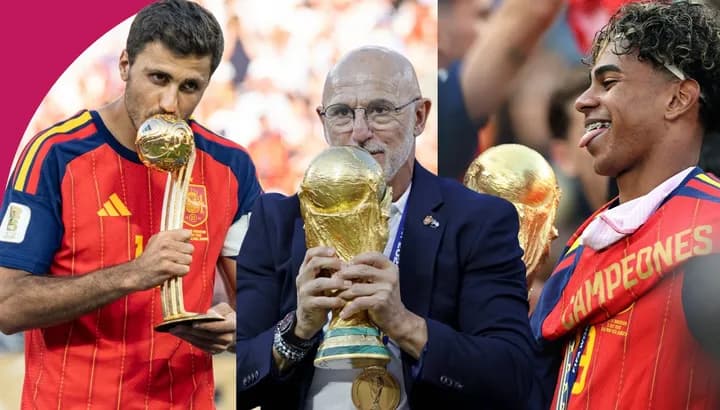
Spain enters 2030 as reigning champions and hosts, a unique position that makes them favorites. Coach Luis de la Fuente has molded a committed, balanced squad. The goalkeeping trio of Unai Simón (32), Joan García (29), and David Raya (34) could return. Defenders like Marc Pubill (26) and Pedro Porro (30) provide stability, while midfielders Dani Olmo (32), Gavi (25), Pedri (27), and Rodri (33) offer creativity and control.
Upfront, Nico Williams (27) and Lamine Yamal (22) showed promise, with Ferran Torres (30) ready off the bench. The wider talent pool includes Dean Huijsen (25) and Cristhian Mosquera (25), ensuring Spain remains deep and dangerous. If Samu Aghehowa or Gonzalo García step up as strikers, Spain’s attack could become even more lethal.
2) France
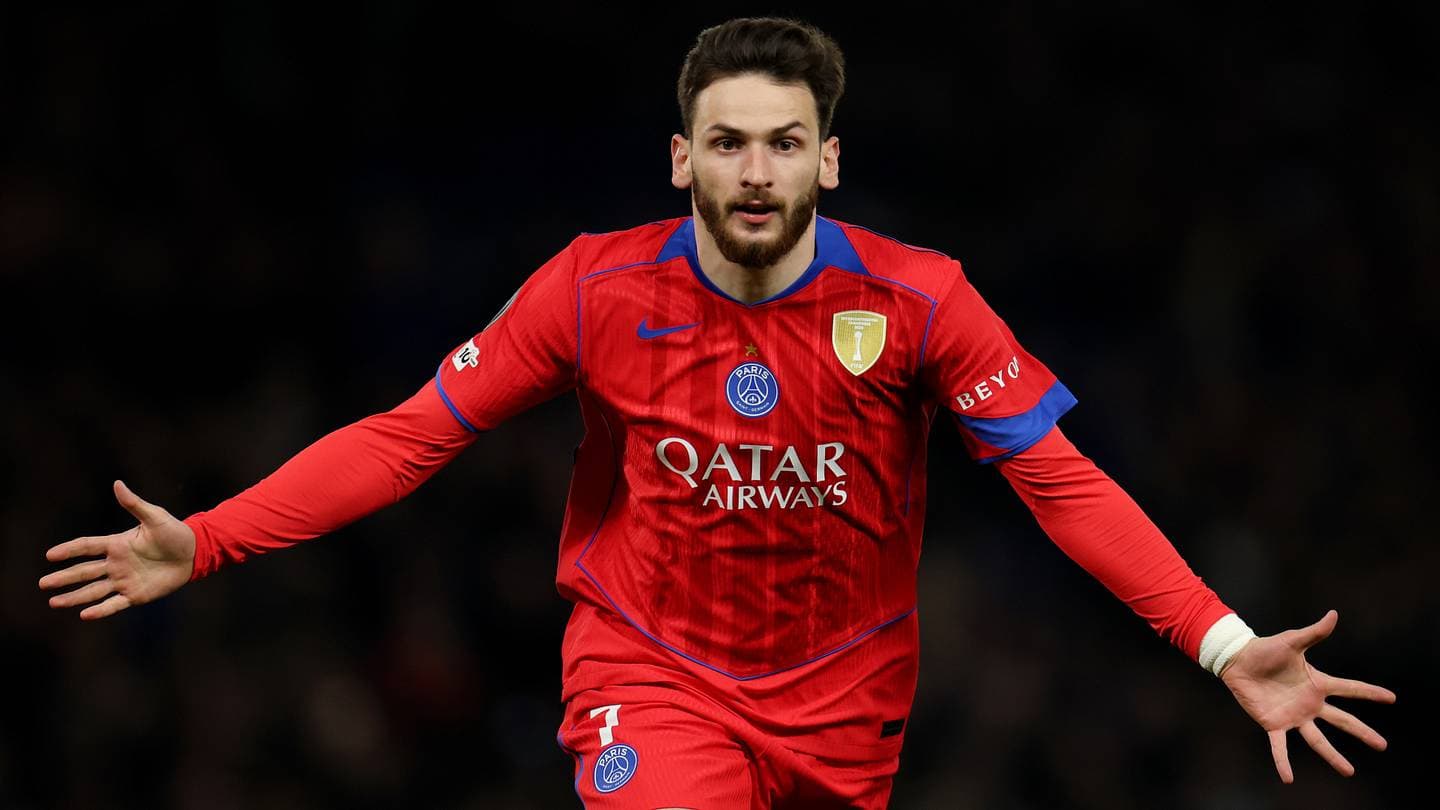
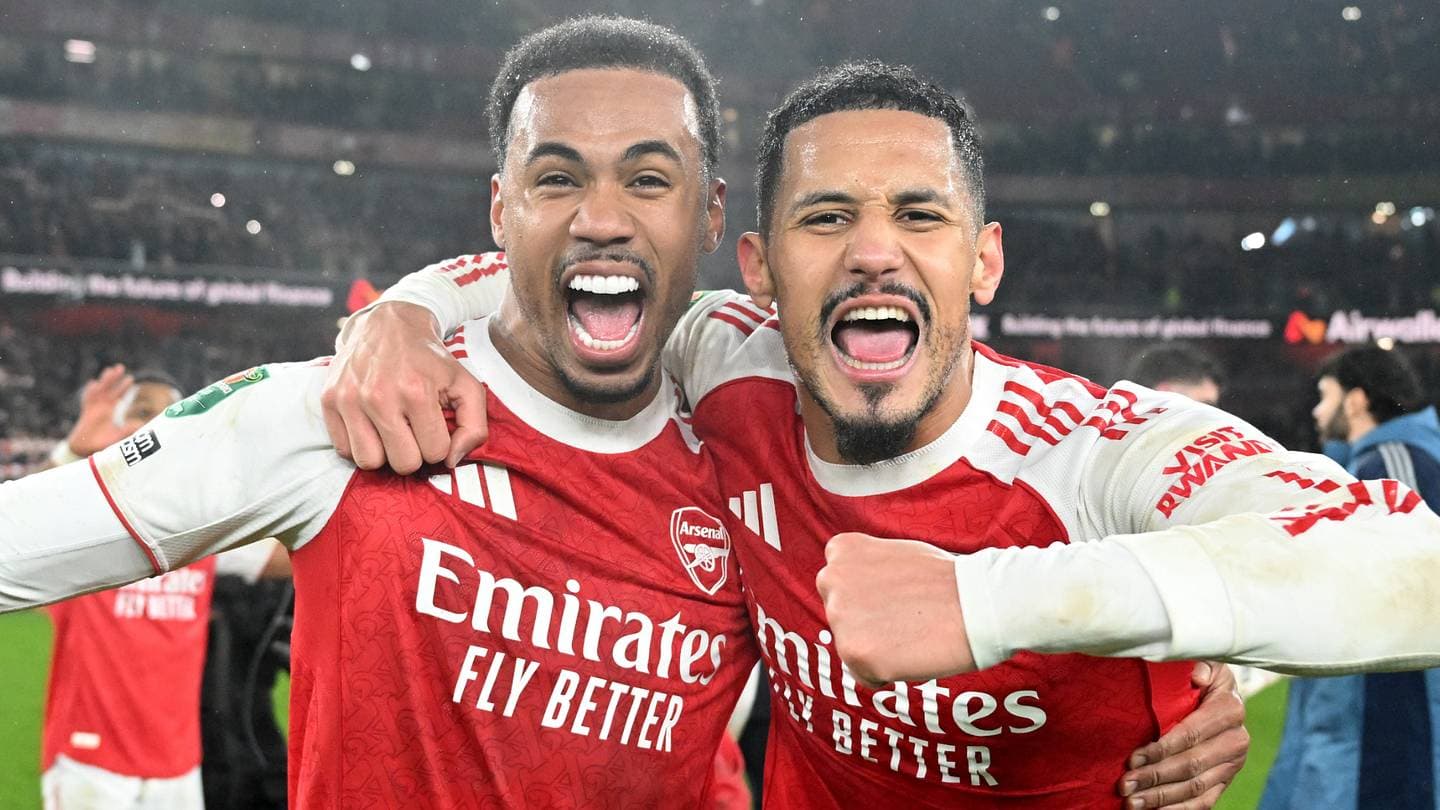
New coach Zinedine Zidane takes over after Didier Deschamps' long tenure. The team’s talent remains strong with goalkeeper Mike Maignan (34) and defenders Dayot Upamecano (31) and William Saliba (29). Midfielders Manu Koné (29) and Aurélien Tchouaméni (30) hold promise, supported by Eduardo Camavinga (27) and Khéphren Thuram (29).
Kylian Mbappé (31) will still lead the attack alongside Michael Olise (28) and Désiré Doué (24). France's challenge lies in matching Spain’s tactical discipline, an area Zidane must improve upon if he wants success.
3) England
England’s run to the 2026 semi-final showed resilience, but the failure to close out leads remains a concern. Defender Marc Guéhi (29) emerged as a leader, and Djed Spence (29) finished strong. The midfield boasts Declan Rice (31), Jude Bellingham (26), Elliot Anderson (27), and Kobbie Mainoo (25). On the wings, Bukayo Saka (28) and Anthony Gordon (29) impressed.
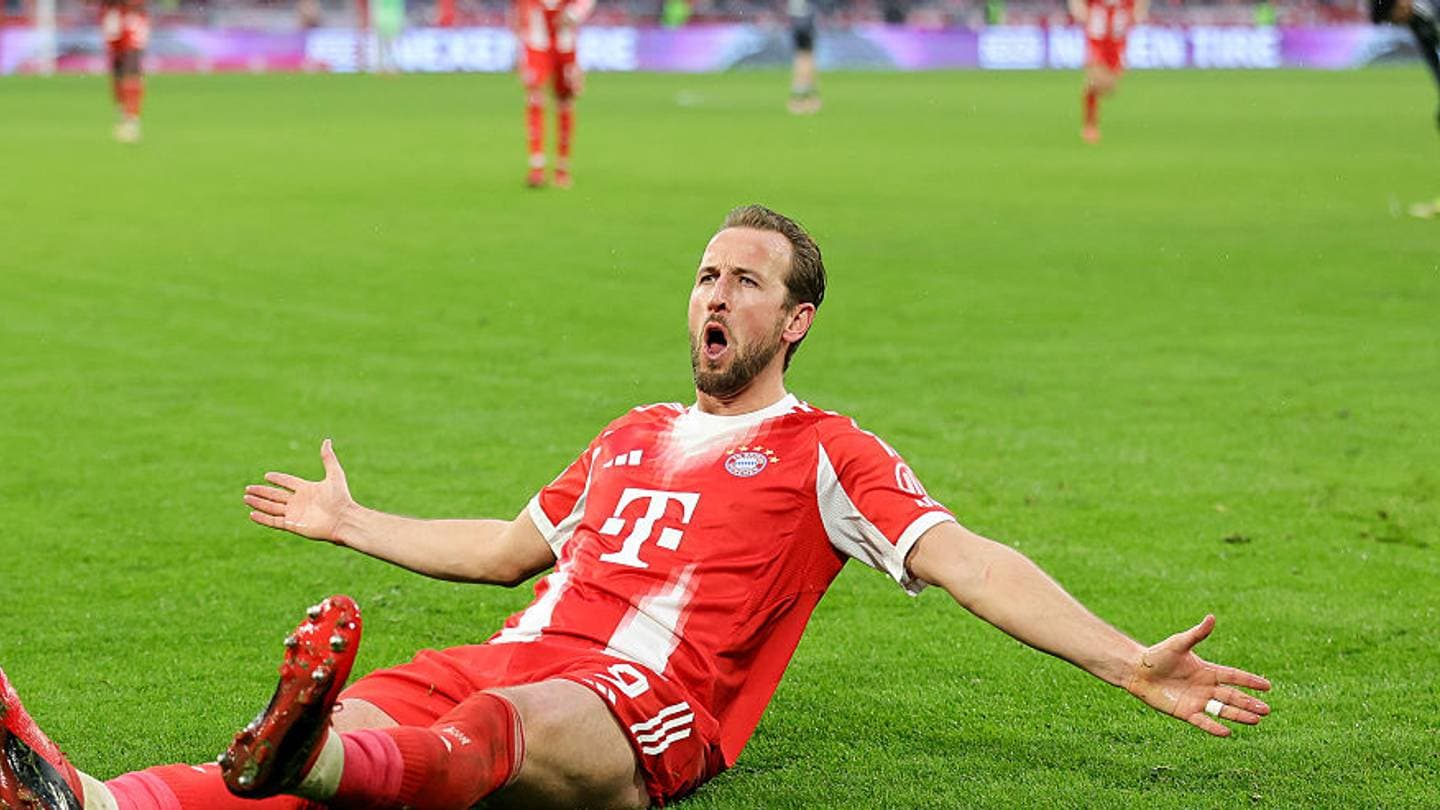
The key question is whether Harry Kane can still perform at 36 or if England finds a new top scorer. Goalkeeper competition and emerging talents like Lewis Hall (25) and Phil Foden (30) give England hope for depth.
4) Morocco
Co-host Morocco is riding high after consecutive quarter-final runs and an Afcon 2025 title. Defenders Achraf Hakimi (31) and Noussair Mazraoui (32) provide experience, while young talents like Ayyoub Bouaddi (22) and Ismael Saibari (29) add energy. Forward Othmane Maamma (24) led Morocco’s recent U-20 World Cup win, signaling strong future prospects.
If veteran goalkeeper Yassine Bounou (39) stays sharp, Morocco could be a tough opponent in 2030.
5) Argentina
Messi’s retirement leaves a gap Argentina must fill, though Julián Álvarez (30) and Lautaro Martínez (32) are solid forwards. Enzo Fernández (33) will anchor midfield despite his controversial send-off. Defenders Nahuel Molina (32), Cristian Romero (32), and Lisandro Martínez (32) bring experience, with Emiliano Martínez (37) guarding the net.
The team also has promising youth from the U-20 runners-up, including Milton Delgado (24) and Julio Soler (25).
6) Portugal
Without Ronaldo, Portugal faces pressure to capitalize on this generation’s talent. Goalkeeper Diogo Costa (30), defenders Gonçalo Inácio (28) and Nuno Mendes (27), and midfielders João Neves (25) and Vitinha (30) form a strong core. Attackers Gonçalo Ramos (28) and João Félix (30) will try to fill the void left by older stars Bruno Fernandes (35) and Bernardo Silva (35).
They may rue missed chances from 2026 but remain a force to watch.
7) Norway
Norway impressed reaching the quarter-finals, led by Erling Haaland (29), who should still be a dominant striker. Supporting attackers Andreas Schjelderup (26), Antonio Nusa (25), and Oscar Bobb (26) offer quality. Martin Ødegaard (31) hopes to avoid injuries and orchestrate the midfield once more.
Defensive and goalkeeping roles require rotation, but Haaland’s presence gives Norway a real shot.
8) Côte d’Ivoire
The Elephants made waves in 2026, winning tricky matches and showing talent across the pitch. Goalkeeper Yahia Fofana (29) and defenders Ousmane Diomande (26) and Odilon Kossounou (29) form a solid defense. The forward line is deep with Amad Diallo (27), Oumar Diakité (26), and Elye Wahi (27).
Midfield might be their weak spot if Franck Kessié (33) declines, but fresh off an Afcon title and a first knockout appearance, they’re a team to keep an eye on.
9) Germany
Jürgen Klopp has time to rebuild Germany after disappointing recent tournaments. Injuries hampered preparations in 2026, but Kai Havertz (30), Florian Wirtz (27), and Jamal Musiala (27) bring skill and potential. Joshua Kimmich (35) aims to stay active, while Nathaniel Brown (26) looks promising as a wing-back.
The squad needs defensive refreshment, but Klopp’s leadership could restore Germany’s competitiveness.
10) United States
The US team’s 2026 performance was impressive despite off-field distractions. Folarin Balogun (28) scored three goals and is expected to improve, while Malik Tillman (28) offers playmaking skills. Veterans Tyler Adams (31), Weston McKennie (31), and Christian Pulisic (31) remain key, alongside younger talents like Alex Freeman (25) and Gio Reyna (27).
Reaching the last 16 has become routine, but the experience gained during hosting may push the US further in 2030.