.svg&w=384&q=75 "Naijagoal logo")

World Cup Drama Unfolds as FIFA Faces Growing Integrity Concerns
Unforgettable Moments and Rising Tensions at the 2026 World Cup
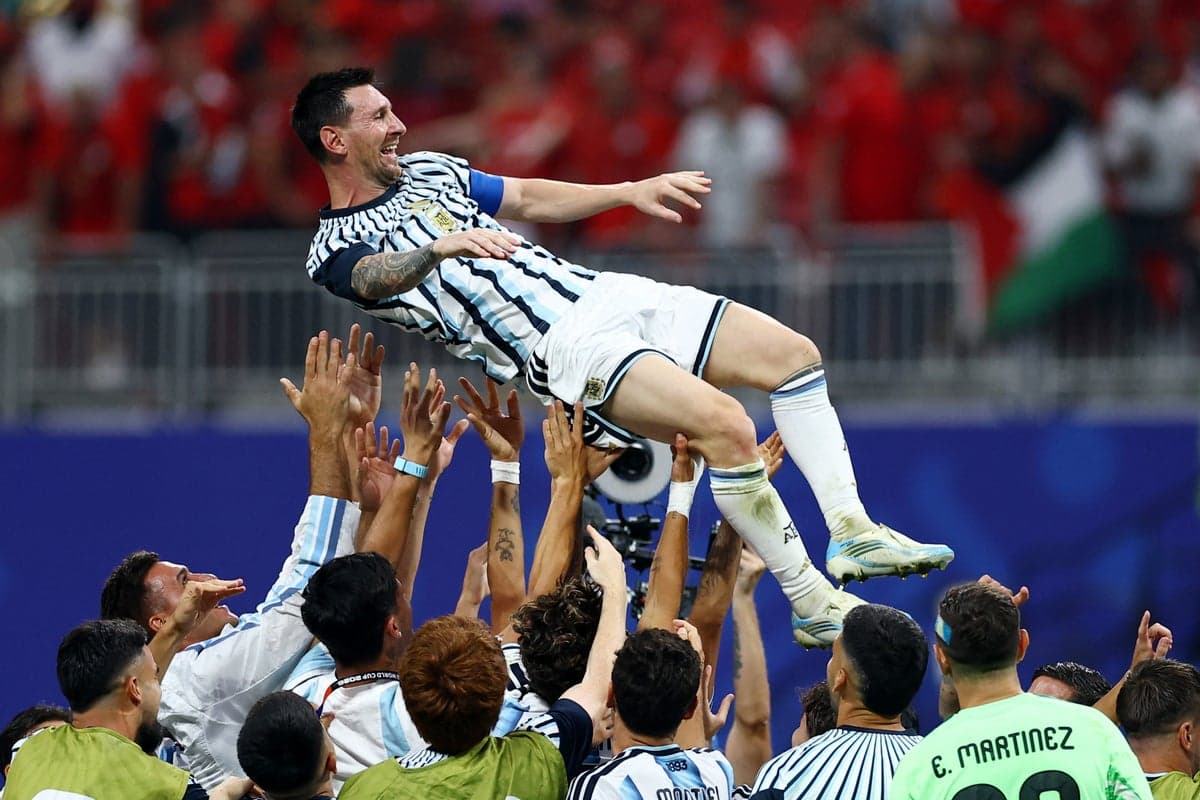
The 2026 World Cup has offered unforgettable scenes on the field, with Lionel Messi lifted by his Argentina teammates after a gripping victory over Egypt. The emotions ran so high that even Argentina’s coach, Lionel Scaloni, struggled to hold back tears following the last-16 match.
This tournament has been far from calm; no team has navigated it without some chaos or emotional upheaval, unlike the more composed runs seen in previous decades. England's thrilling win over Mexico mirrored this intense atmosphere that defines the current competition.
Football's Emotional Surge
Matches have felt like genuine national events, with players freed from the tactical rigidity of club football and driven by the unique stakes of the World Cup. This has created a series of open, passionate games where the scale of emotion matches the sport's global importance.
We might be witnessing a golden era in football quality here, at least in terms of how the games are played. For instance, the last 16 stage produced 23 goals, significantly higher than past tournaments like Germany 2006.
Controversy Clouds the Competition
Yet not all moments have been positive. The case involving Folarin Balogun stirred strong feelings, even though the player himself was caught in political interference beyond his control.
Egypt’s coach, Hossam Hassan, voiced sharp complaints after their defeat, calling out perceived unfairness and suggesting off-pitch interests influenced the outcome. His words echoed frustrations felt by others about certain refereeing decisions, such as Mostafa Ziko’s disallowed goal against Argentina, which felt inconsistent with the generally light-touch officiating style.
Refereeing and Perception Problems
Referee decisions often vary due to differing interpretations across countries, but recent inconsistencies have sparked debate. The bigger issue for FIFA is how ongoing controversies, including the fallout around Donald Trump, fuel suspicions that the tournament might be manipulated behind the scenes.
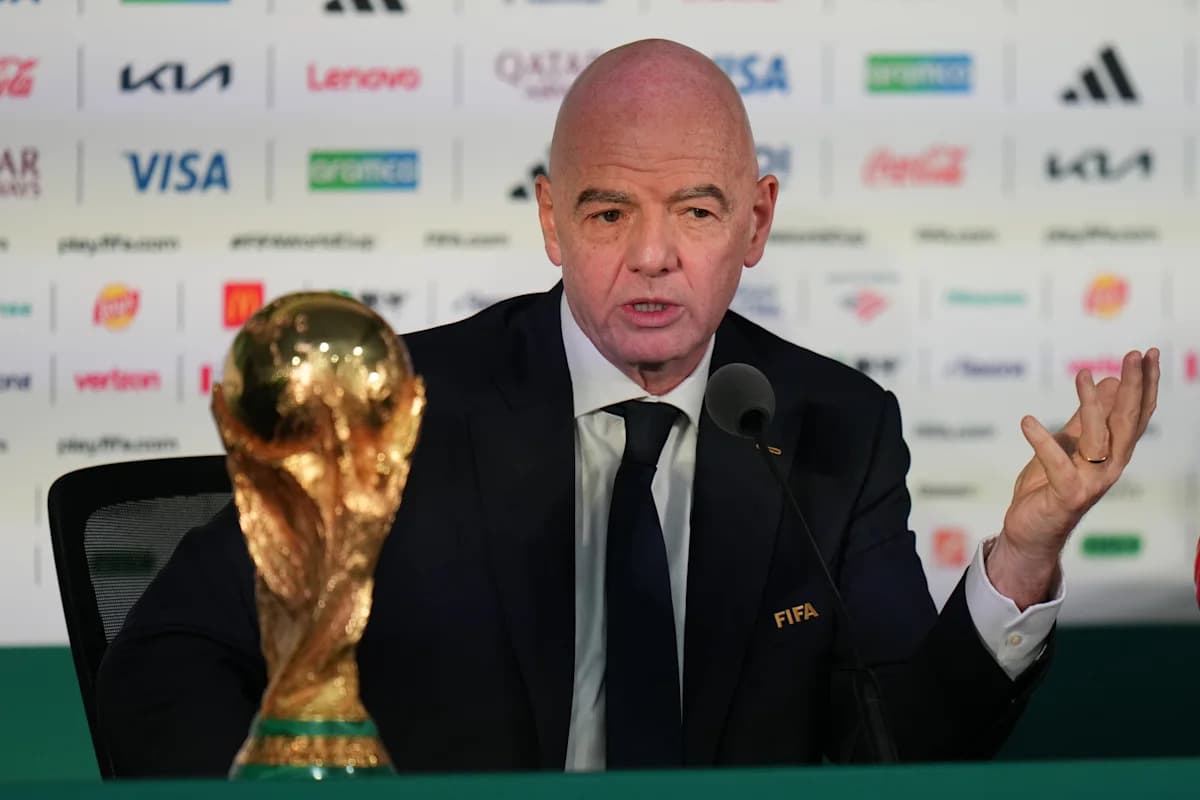
Even if such ideas seem far-fetched, they have gained traction on social media, casting a shadow over the competition’s integrity. These doubts are difficult to dismiss when they grow so widespread, raising serious questions for FIFA president Gianni Infantino.
Legitimacy at Stake Amid Financial Realities
The irony lies in the financial aspect: the quarter-finals feature mostly wealthy European nations—France, Spain, England, Switzerland, Belgium, Norway—highlighting a divide in resources. The USA faces criticism for its costly youth system, while European countries benefit from highly industrialized coaching frameworks.
Meanwhile, Morocco stands out as an emerging force, driven by state-backed investment similar to Hungary’s model under Viktor Orban.
FIFA does redistribute football’s wealth globally, with efforts led by figures like Arsene Wenger to raise standards. Yet these programs also serve political purposes, creating a complex dynamic that sometimes fuels controversy.
This World Cup feels like a drama unfolding on many levels—on the pitch, in politics, and across public opinion—with FIFA caught in the middle of a challenging legitimacy crisis.