.svg&w=384&q=75 "Naijagoal logo")

How the World Cup Turned Into America’s Unexpected Summer Celebration
A Tournament That Defied Expectations
Before the World Cup kicked off, doubts loomed large. The lengthy US government shutdown threatened to leave cities unprepared for the influx of fans. Political tensions at home seemed likely to scare away visitors from across the globe. Reports of inflated prices hinted at empty stadiums as many fans might be priced out of attending. The war in Iran added to a grim backdrop, casting a shadow over the host nation’s image.
Despite all these worries, the tournament unfolded into something truly joyful. From the opening match in Mexico City to the final moments in New Jersey, North America hosted what felt like one of the largest celebrations ever seen. It brought a fresh energy that was badly needed.
Fans Creating Bonds Across Borders
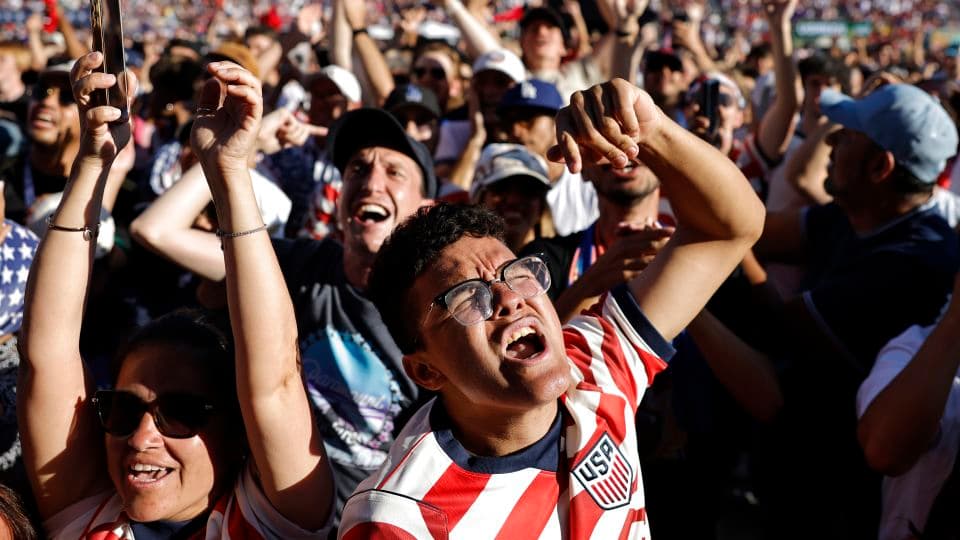
On day one, South Korean and Mexican fans mingled with a surprising closeness. In the US, cities came alive with international crowds: Scots emptied bars in Boston, Norwegians engaged in their playful "Viking row" rituals, and South Americans flooded urban centers with passion and color. Visitors discovered unexpected American spots like Buc-ee’s and Waffle House, adding to the unique atmosphere.
At one point, even American hopes soared as the national team won two early games, sparking dreams of a deep run in the tournament.
A Nation Reminded of Its Strengths
Political discord from Washington often weighs heavily on the mood nationwide. Yet during those 39 days, headlines shifted away from turmoil and toward stories of community and celebration. Cities such as Lawrence, Kansas, fell in love with Algerian supporters. Miami felt taken over by Scots, and Atlanta's fan festival became a hotspot buzzing with excitement. These moments reminded many Americans of the country’s enduring appeal and warmth.
Politics Cast Shadows but Didn’t Steal the Show
The political landscape still showed up. Iran’s team faced challenges with training locations and travel restrictions. Visa issues affected officials and players, with some blaming the Trump administration. A controversy involving Folarin Balogun briefly stirred doubts about the tournament’s integrity.
Yet even when politics tried to dominate headlines, the sport pulled attention back. After the Balogun situation, Argentina’s comeback victory against Egypt became a defining moment, showcasing the magic of soccer beyond any political noise.
Lasting Impressions Beyond Numbers
Economists and analysts will debate whether hosting the event was financially beneficial for cities. Still, one thing is clear: Americans showed the world a different side of their country. The kindness and hospitality displayed by everyday people left visitors surprised—far from the often negative portrayals in the news.
The US remains imperfect, but for 39 days it played host to a global gathering marked by friendship and joy. Stadiums were packed, memories created, and the biggest dilemma became how to fill the hours between matches.
Shared Moments of Pure Joy
The celebration was genuine and spontaneous. Fans danced with Congolese supporters after their historic win. Cape Verde nearly shocked the world by challenging reigning champions. People shared meals and stories with strangers from distant lands, forging connections that may last far beyond the tournament.
Although the World Cup has ended, its impact lingers. Perhaps it has changed how the world views Americans—and how Americans see themselves.