.svg&w=384&q=75 "Naijagoal logo")

World Cup 2023: Chaos and Controversy Ahead of Kick-off
The World Cup has always lived with controversy. This one feels different. Not just noisy, but tangled, messy, and increasingly hard to defend.
In the space of a few days, a referee has been blocked from entering the host nation, a leading international striker has reportedly been held at customs for hours, and ticket prices have pushed ordinary fans to the fringes of the biggest show in football. The tournament hasn’t even kicked off, yet the off-field chaos is already centre stage.
A World Cup under strain
Omar Artan’s removal from the referee roster after being denied entry to the United States has become a flashpoint. Refereeing appointments are usually the quiet, administrative part of a World Cup build-up. This time, they sit at the heart of the storm.
The decision has angered supporters and pundits alike. Ian Wright has already suggested that US fans must be embarrassed by the confusion surrounding the tournament. That sense of unease is spreading.
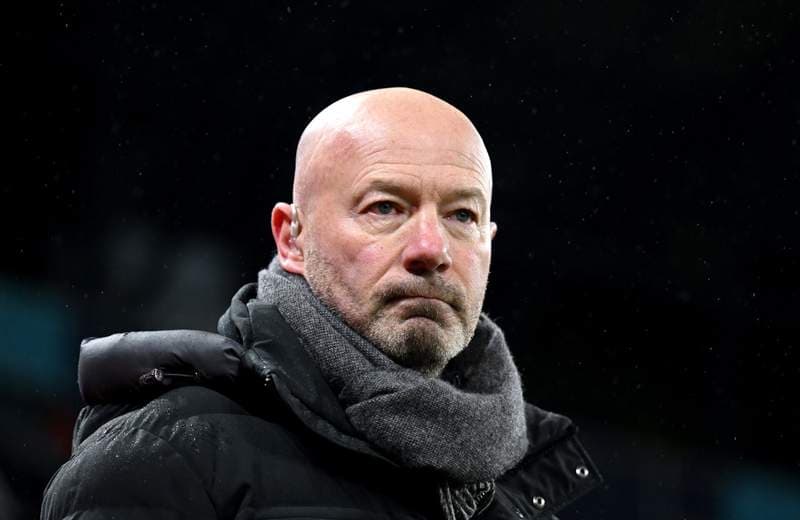
Alan Shearer has now stepped in, and he has not tried to soften the blow. Speaking on The Rest Is Football, the former England captain painted a bleak picture of a World Cup drowning in off-pitch problems.
“It’s an awful look. It’s a terrible look, as you see, yes,” he said, pointing to the sheer volume of issues piling up before a ball has been kicked. “We always have discussions before World Cups, but I think there’s certainly been more ahead of this World Cup than I can remember.”
The Artan case is just one strand. Another is the experience of Iraq striker Aymen Hussein, who was reportedly held by customs for seven hours this week. For a player preparing to represent his country on the biggest stage, that kind of disruption cuts to the heart of what this tournament is supposed to be about.
Fans priced out of the “greatest show”
Then there is the money. Ticket prices have sparked major concern, with accusations that real fans are being forced out of the stadiums and left to watch from afar.
Shearer did not hold back on that front either. He highlighted the cost of attending matches as a symbol of how detached the event risks becoming from the people who give it life.
“Whether it’s the situation with the referee, whether it’s the ticket prices and pricing real fans out of going to the biggest tournament in the world, I just think it’s an awful look,” he said. “And yeah, it’s not right, not at all.”
Gary Lineker has already sounded the alarm over the political climate and the financial barriers surrounding this World Cup, singling out ticket prices as a major fault line. His concern is simple: if ordinary supporters cannot afford to be there, what kind of World Cup is left?
Waiting for the football to take over
Politics has always circled the World Cup. Hosts are scrutinised, decisions are questioned, tensions rise. But the accumulation of problems this time — from border controls to refereeing rows to spiralling costs — has created a tournament that feels under siege before it has even begun.
Most fans now just want the football. Ninety minutes, two goals, a late winner, something to cut through the noise.
The hope inside the game is clear: once the whistle blows and the group stage gets moving, the World Cup will find a cleaner rhythm, the spotlight will shift back to the pitch, and the football will finally be allowed to speak louder than the chaos that surrounds it.