.svg&w=384&q=75 "Naijagoal logo")

Liverpool's Mismanagement of Curtis Jones Amidst Record Transfers
Manchester City’s £116m plunge for Elliot Anderson has done more than just smash transfer records. It has thrown a harsh, unforgiving light on Liverpool’s handling of Curtis Jones.
City agreed a deal with Nottingham Forest on Thursday evening, a club-record £116m fee that, according to the BBC, does more than just top their own books. It is the highest fee ever paid for a midfielder. It also makes Anderson the most expensive British footballer in history.
Those are not the sort of numbers that drift quietly into the background. They reshape markets.
Anderson, at 23, is already a formidable midfielder. Dynamic, technically sharp, and still with years of development ahead, he carries the profile that tempts elite clubs into exactly this kind of financial leap. You can see why City moved. You can see why Forest held firm.
Yet as that deal drops into place, the contrast at Anfield could hardly be starker.
Liverpool are edging towards selling Curtis Jones. A homegrown midfielder. A Scouser. A player who, at 25, is entering his prime and has already shown he can operate at a high level in one of the most demanding midfields in Europe.
He has just one year left on his contract. That, of course, drags down his price. Contract leverage always does. But Liverpool’s reported asking price of around £35m for Jones sits jarringly against the backdrop of Anderson’s £116m move.
Strip away the noise and one thing becomes obvious: the market for top-level English midfielders is booming. Clubs are paying premiums for age, nationality, and proven quality in the Premier League. City have just underlined that in thick, permanent marker.
In that context, £35m for Jones looks wildly out of step.
This is not about pretending Jones is identical to Anderson as a player. It is about understanding relative value. About reading the room. About recognising that an English midfielder, developed in-house, with years of elite experience and clear upside, should not be leaving Anfield for what amounts to a cut-price fee in this climate.
The frustration is not just the number. It is the process behind it.
Jones should be signing a new contract. That is the blunt truth. Tie him down, protect the asset, back the player. Instead, Liverpool appear to have allowed the situation to drift to the point where a sale now looks more likely than an extension.
The consequence? They are on the verge of losing a midfielder who, in this market, could reasonably command something in the region of €90m if he were secured on a long-term deal, for barely a third of that.
That is not clever trading. It is not shrewd squad management. It is mismanagement – and not the quiet, technical kind that only shows up on balance sheets. This is loud. Visible. The sort of decision that sends a shiver through a fanbase and raises serious questions about the strategy at the top of the club.
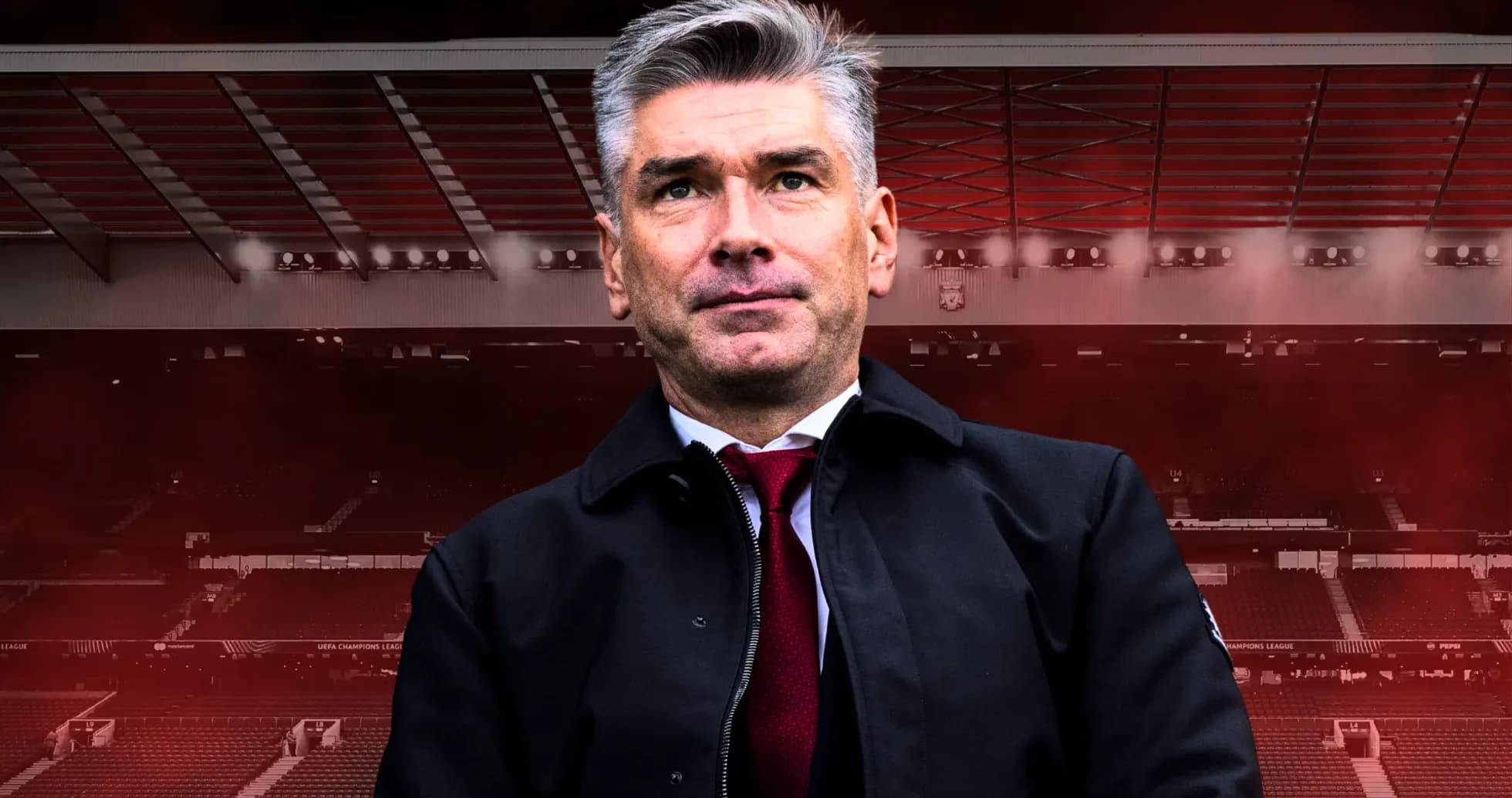
Richard Hughes, charged with shaping Liverpool’s next era, suddenly finds his judgment under intense scrutiny. When one of your direct rivals is paying a record-breaking fee for a young English midfielder, and you are preparing to offload your own for a price that looks light by comparison, the optics are brutal.
Liverpool do still have time to change course. A renewed push to keep Jones, a recalibration of their valuation, or a harder negotiating stance could yet prevent this from becoming one of the most baffling deals of the summer.
Right now, though, as Anderson heads towards Manchester on a £116m wave, Liverpool look perilously close to letting a prized homegrown midfielder walk out of Anfield for a fraction of his true worth.