.svg&w=384&q=75 "Naijagoal logo")

Mauricio Pochettino's Contract Offer: A New Era for US Soccer
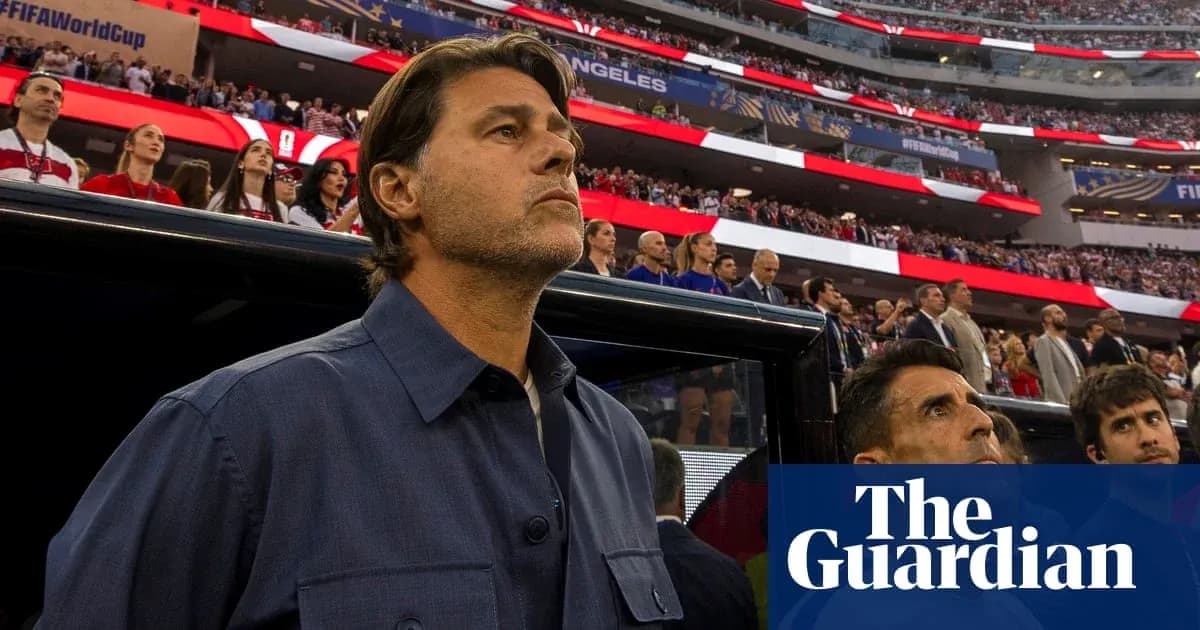
Mauricio Pochettino has a contract offer on the table that would keep him in charge of the US men’s national team through the 2030 World Cup, according to multiple sources familiar with the talks. The discussions, quiet but relentless, have been running in the background for months while his team have rewritten the country’s World Cup history.
The offer, confirmed by several people who spoke on condition of anonymity because they are not authorized to discuss it publicly, is the clearest sign yet that US Soccer want Pochettino not just for this tournament, but as the architect of an entire era.
A long courtship, now at a decisive moment
Negotiations between Pochettino and the US Soccer Federation have been ongoing for around three months. This has not been a rushed, tournament-fueled scramble. It has been a deliberate courtship, shaped in part by outside interest.
In late May, as the World Cup build-up intensified, reports emerged that Pochettino had held talks with Serie A side Milan. He refused to be drawn into the speculation when asked, staying coy on any Italian intrigue. JT Batson, US Soccer’s CEO, was far more direct. He acknowledged that the federation had fielded “many inquiries” about Pochettino’s availability.
“[Pochettino], and the entire team, has been incredibly transparent [through] the entire process,” Batson said back in May. “He had standing offers from other places to come [when we hired him initially], and he wanted to be here. He’s a big believer in what we’re doing at US Soccer. He’s a big believer in soccer in America, and he’s a big believer in this men’s team.”
The message was clear: the US did not stumble into Pochettino. They fought for him, and they are prepared to fight to keep him.
For now, though, the Argentinian is holding his line. He has repeatedly said he will not decide his future until after the World Cup. The Athletic first reported the existence of the new contract offer, one that would extend his stay well beyond this cycle and into a home World Cup in 2026 and the next in 2030.
Big money, bigger expectations
Pochettino arrived as one of the highest-paid coaches in international football. Publicly available figures put his salary at around $4m a year, with a bonus structure that pushes that number significantly higher. It is elite-club money for a national-team job, a financial statement that matched US Soccer’s growing ambition.
The results, at least in the World Cup spotlight, have given weight to that investment.
His 22-month tenure has not been flawless. Performances and results outside of major tournaments have veered between promising and frustrating, as he tried to impose his ideas on a squad still maturing on the international stage. But when the lights came on at this World Cup, the picture changed.
The US have delivered their best-ever group-stage performance at a World Cup under the 54-year-old. They swept aside Australia and Paraguay with authority, clinching top spot in the group with a game to spare. The only blemish came in a tight, hard-fought defeat to already-eliminated Turkey, a loss that stung but did not derail their progress.
A last-32 tie with Bosnia and Herzegovina now awaits. With a place in the knockout rounds already secured, the Americans stand just two wins away from matching their best finish of the modern era. That proximity to history sharpens every question about the future.
A coach once assumed to be passing through
From the moment Pochettino took the job, many fans and pundits assumed this would be a brief international cameo. Here was a coach forged in the Premier League and Champions League, a former Tottenham Hotspur manager with a reputation for high-intensity football and player development. The natural assumption: he would use the US role as a bridge to the next major club project.
That narrative has started to fray.
In recent months, Pochettino has been more open about the possibility of staying. Speaking at a media roundtable this week, he stressed that talks with the federation were ongoing, but that his priority remained the players and the tournament in front of them.
“We told the federation we are open,” he said. “But we don’t want to distract when all the energy needs to be with my players ... If the American people start to show passion in our sport too, why not be here being part of something that can create a legacy? For me, the most important legacy is the connection between the national team and the fans.”
That word – legacy – hangs over everything. Pochettino is not just weighing salary figures or contract length. He is deciding whether this project, this country, can give him the lasting imprint he craves.
A federation thinking big
US Soccer, for their part, are trying to make the answer easier.
The federation has moved aggressively in recent years to signal a new era. Hiring Pochettino was one such move. Another came with the opening of a sprawling $250m training facility in Atlanta, Georgia, a bricks-and-mortar declaration that they intend to sit at the same table as the sport’s traditional powers.
A long-term deal for Pochettino would fit that same pattern. It would anchor the men’s national team to a high-profile, globally respected coach through two more World Cup cycles, including the unique opportunity of a home tournament in 2026.
For now, the offer sits there, waiting. Pochettino’s focus is Bosnia and Herzegovina, then whatever comes after that in the knockout rounds. Each game adds another layer to the decision he has promised to make once this World Cup run ends.
If the US keep winning, and the bond between this team and its growing fanbase continues to deepen, the question will only sharpen: can he really walk away from a project that finally looks ready to match his ambition?