.svg&w=384&q=75 "Naijagoal logo")
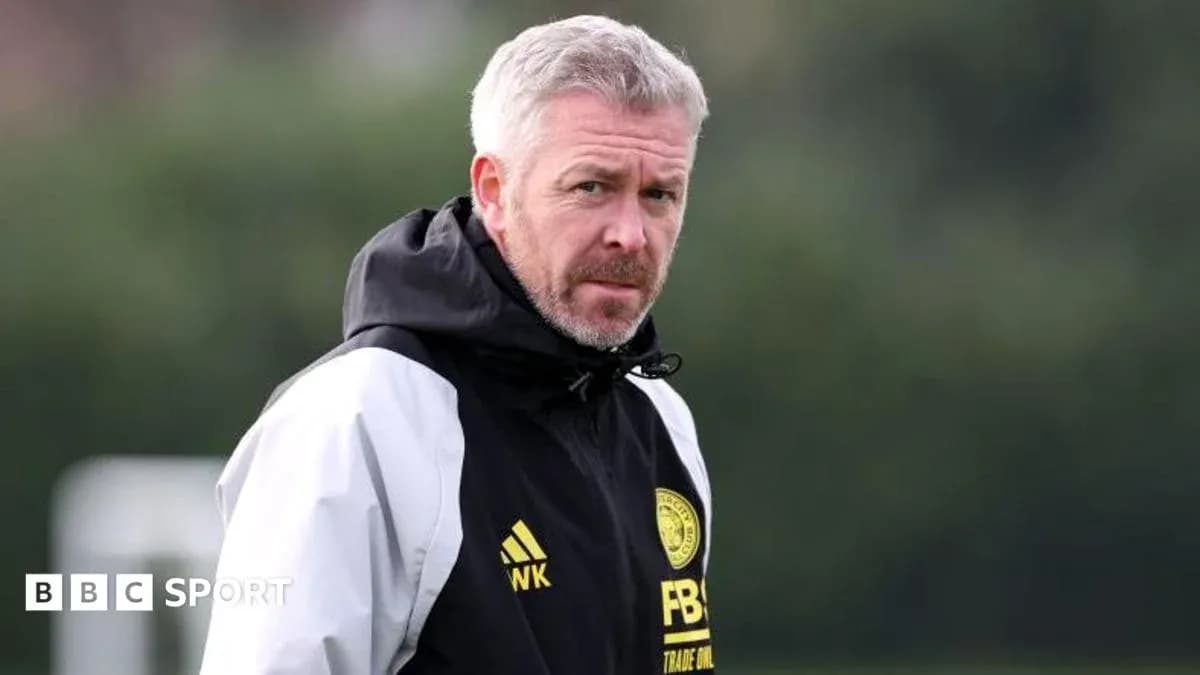

Willie Kirk Returns as Head Coach of Durham Women
Willie Kirk has returned to English football, stepping back into the technical area as head coach of Durham’s Women’s Championship side – two years after his career was abruptly halted at Leicester City.
The 48-year-old Scot was sacked by Leicester in March 2024 following an internal investigation that found he had entered into a physical relationship with a player, a breach of the club’s code of conduct. That dismissal, and the controversy around it, has shadowed his name ever since.
Durham, though, announced his appointment without a single reference to his Leicester exit.
No explanation. No context. Just the football decision.
For Kirk, it is a route back into the English game after an enforced absence. For Durham, it is a bold move in a landscape where player-coach relationships in women’s football sit under intense scrutiny.
Those relationships are not illegal, provided no minors are involved. The issue lies elsewhere: power, duty of care, and trust. In the women’s game, where safeguarding has become a central pillar of governance, the lines are clear on paper even if they remain messy in practice.
Codes of conduct between players and staff are now a formal condition of holding a Women’s Super League licence, and every club must have a safeguarding officer in place. The framework is there, written into the sport’s modern architecture.
The question is how it holds when tested.
Kirk’s case did exactly that at Leicester. The club’s investigation concluded he had breached its code, and he was dismissed. No criminal offence, but a professional line crossed.
That backdrop makes Durham’s silence on the matter striking. Their announcement focused solely on his new role and the future, leaving the past unspoken. It is a choice that will not go unnoticed in a sport still wrestling with how to handle power dynamics between coaches and players.
BBC Sport has contacted Durham for comment on the appointment, and has also approached the Football Association and the Professional Footballers’ Association.
The wider debate is already well established. Personal relationships between players and coaches have long been criticised for creating a power imbalance inside a squad, especially where young players are concerned. The coach picks the team, shapes careers, influences contracts. The player, by definition, holds less power.
England manager Sarina Wiegman has been unequivocal on the subject, calling such relationships “very inappropriate” and “not healthy”. Her stance reflects a growing mood within the game: that safeguarding is not just about background checks and paperwork, but about culture and boundaries.
Kirk now walks back into that environment, into a league and a sport that has moved quickly to tighten its standards since his dismissal.
Durham, a club known for punching above their weight, have taken a calculated decision that his coaching pedigree outweighs the risks and the optics. The reaction from players, supporters and the wider game will reveal soon enough whether that calculation holds.