.svg&w=384&q=75 "Naijagoal logo")

Western United's A-League Licence Termination: A New Chapter Ahead
Western United’s A-League licence has been terminated, its debts laid bare and its squad long since scattered, yet the club insists this is not an ending.
On Monday, the Australian Professional Leagues (APL) confirmed what had been looming for months: Western United is out of the A-League men’s and women’s competitions, having breached “a number of its obligations” under the conditional hibernation agreement struck last September.
That agreement was meant to buy time. It did the opposite.
Licence gone, dream stalled
United had already been stripped of its licence by Football Australia and placed into liquidation late last year under the weight of a reported $15 million tax debt. The hibernation deal with the APL was framed as a lifeline, a way to pause operations while new investment was found and governance issues were untangled.
The club scoured for a saviour, chasing a takeover from an American investment group. No deal came. No white knight, no last-minute reprieve.
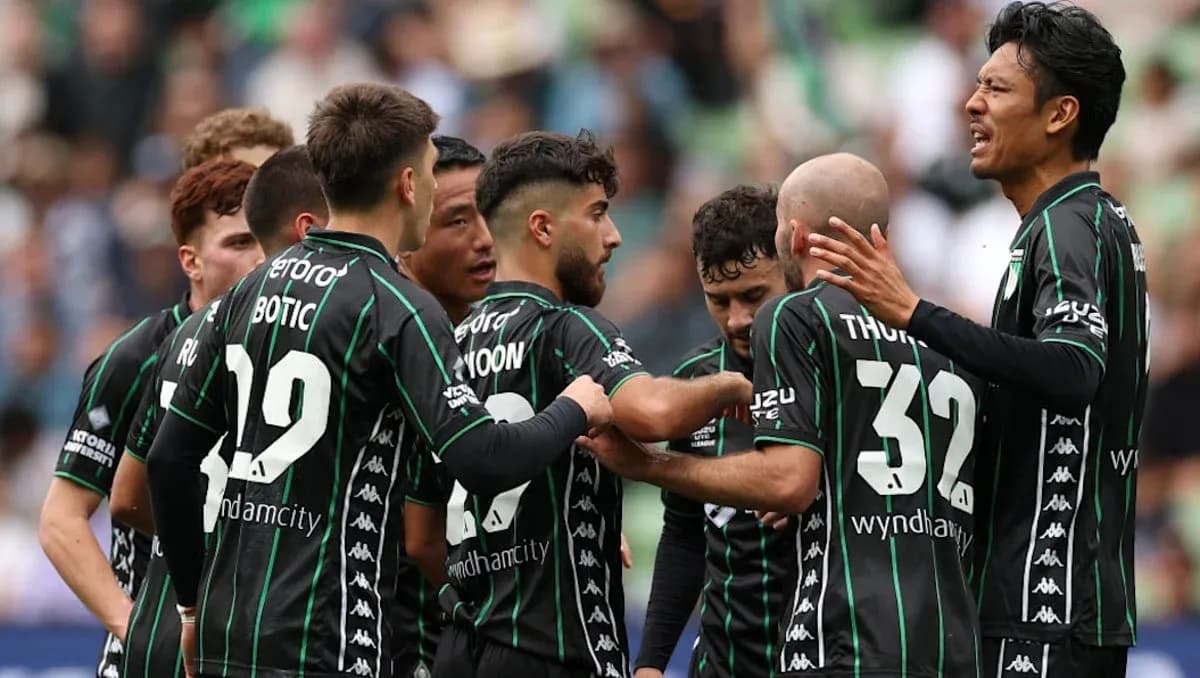
By the time the APL’s statement landed, the competitive side of Western United – in both the men’s and women’s leagues – was gone.
“It’s been a difficult period for everyone connected to Western United – and we want to acknowledge the management, staff, players and especially the fans – who have given so much to the club and will no doubt be hurt by this news,” APL chairperson Stephen Conroy said.
The damage had already started months earlier. When the club went into hibernation last year, every player instantly became a free agent. The dressing room emptied, the squad dispersed across the league and beyond. Head coach John Aloisi, who had led the club to its greatest on-field heights, left in January to take charge of Chengdu Rongcheng FC in China.
A club without a league – but not without a voice
On the surface, the story reads like a collapse: licence lost, debts exposed, coach gone, players gone. Western United’s board chose a different framing.
“Today marks a significant moment in our history and the beginning of a new chapter,” the club declared in its own statement, released shortly after the APL announcement.
The message was clear: the badge, the colours, the identity of Melbourne’s west – those, they argue, can outlive the current corporate shell.
“Over recent months, we have worked closely with the APL on a pathway that gives the club the best opportunity to survive, rebuild and return to the A-League under new ownership,” the statement continued.
“This creates an opportunity for new custodians, new investment and a fresh start.
“The objective must now be to preserve Western United’s identity in Melbourne’s west and work towards a return to the A-League for the 2027/28 season.”
That target – 2027/28 – is now the club’s north star. No guarantees, no formal readmission, but a timeline to rally around.
Rebuild or requiem?
For now, Western United exists in a kind of limbo. No place in the A-League. No active senior squads. A licence gone, but a brand still clinging to relevance.
The club insists the priority is to carve out a sustainable model with the APL, Wyndham City Council, various levels of government, potential new owners and the wider football community. The ambition is to turn a financial crisis and governance failure into a reset, not a tombstone.
“This should not be the end of Western United. It should be the reset that allows the club to rebuild and return stronger,” the statement read.
The next move will not be made on a pitch, but in boardrooms and council chambers. Whether that “new chapter” becomes a genuine revival or the final hopeful line in Western United’s story will be decided long before 2027/28 ever kicks off.