.svg&w=384&q=75 "Naijagoal logo")

Top 10 Teams Poised for Success in the 2030 World Cup
The 2026 World Cup felt like the last great gathering of a generation. Lionel Messi, Cristiano Ronaldo, Luka Modric, Neymar, James Rodríguez, Guillermo Ochoa – giants of the modern game – all bowed out in varying shades of heartbreak. The cameras lingered on their faces, but the tournament’s real legacy might be what comes next.
By 2030, anyone 32 or older will be fighting time as much as opponents. The nations best placed for that tournament are those whose core is already in its prime, not clinging to one more miracle from an aging star. These are the 10 sides with the strongest foundations to reach at least the quarter-finals in 2030.
Ages listed are as of 1 June 2030.
1) Spain – Champions with room to grow
Spain will walk into a home World Cup as defending champions and, on paper, as the team to beat. That’s a terrifying prospect for everyone else.
Luis de la Fuente has built a side that knows exactly what it is. His players buy in, they understand their roles, and they execute with a cold, relentless precision. The scary part? This team is nowhere near the end of its cycle.
Unai Simón (32), Joan García (29) and David Raya (34) could easily reprise their roles as the goalkeeping trio, providing continuity in a position where experience matters. In front of them, Marc Pubill (26), Eric García (29), Pedro Porro (30) and Pau Cubarsí (23) form a defensive unit that looks both stable and scalable.
Midfield, as always with Spain, is the heartbeat. Dani Olmo (32), Gavi (25) and Pedri (27) should all be back, while Rodri (33) remains the natural anchor at the base. Nico Williams (27) and Lamine Yamal (22) will hope for cleaner bills of health, but their late-tournament influence in 2026 underlined just how decisive they can be. Ferran Torres (30) looms again as a dangerous option from the bench.
And that’s before you even get to the next wave. Dean Huijsen (25) and Cristhian Mosquera (25) are ready-made successors to Aymeric Laporte (36). In midfield, Fermin López (27), Pablo Barrios (26), Javier Guerra (27), Marc Bernal (23) and Jesús Rodríguez (24) have already earned De la Fuente’s trust. The one lingering question is at centre-forward. If Samu Aghehowa (26) or Gonzalo García (26) can nail down the role, Spain’s possession machine suddenly comes with an even sharper cutting edge.
If that happens, everyone else has a problem.
2) France – Zidane inherits a loaded deck
France do not lack talent. They rarely do. What they lacked in 2026 was clarity in the defining moments, as Spain’s structure pulled them apart in a semi-final collapse that will sting for years.
Into that emotional wreckage walks Zinedine Zidane, replacing Didier Deschamps after three World Cups of gradually diminishing returns. Zidane’s Real Madrid reign showcased his ability to manage egos and navigate high-pressure tournaments. The question now is whether he can add the tactical edge France will demand.
Mike Maignan (34) should still be one of the world’s premier goalkeepers, protected by a powerful core of Dayot Upamecano (31), Ibrahima Konaté (31) and William Saliba (29). The midfield options are almost embarrassingly rich: Manu Koné (29) and Aurélien Tchouaméni (30) already look like long-term pillars, while Eduardo Camavinga (27) and Khéphren Thuram (29) will be desperate to force their way back in after missing out.
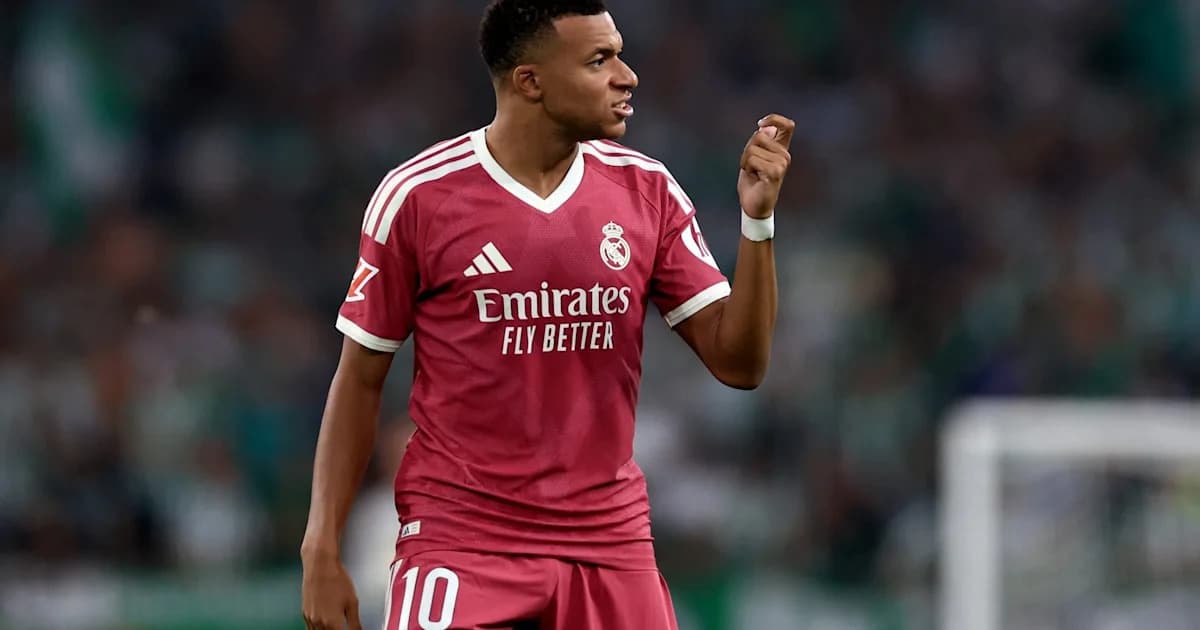
Then there’s Kylian Mbappé (31), still chasing records and still France’s reference point in attack. Around him, Michael Olise (28) and Désiré Doué (24) offer creativity and incision from wide areas and between the lines.
France don’t need reinvention. They need refinement. Zidane’s ability to solve the Spain problem, not the squad list, will define their 2030 story.
3) England – A golden core, one looming question
England left 2026 with a familiar cocktail of pride and regret. They survived a thriller against Mexico, turned around a tense tie with Norway, and then froze when it mattered most, surrendering a 2-0 lead to Argentina in a semi-final that will echo through the years.
Strip away the emotion, though, and the picture is clear: this is a team built to contend again at Euro 2028 and in 2030. With one major caveat.
At the back, Marc Guéhi (29) emerged as a genuine leader, while Djed Spence (29) finished the tournament in the form of his life. In midfield, the combinations are almost endless. Declan Rice (31), Elliot Anderson (27), Jude Bellingham (26) and Kobbie Mainoo (25) give any manager the tools to build a dominant engine room. Out wide, Bukayo Saka (28) and Anthony Gordon (29) proved they can carry threat at the highest level.
Everything comes back to Harry Kane. At 36, can England’s record scorer still be a 90-minute focal point in a World Cup knockout game? The succession plan remains unresolved, and that shadow hangs over an otherwise stacked generation.
Goalkeeper is another open contest, but the depth elsewhere is striking. Lewis Hall (25), Cole Palmer (28), Adam Wharton (26), Alex Scott (26), Phil Foden (30), Rio Ngumoha (21) and Ayden Heaven (23) all missed out on Thomas Tuchel’s 2026 squad yet remain firmly in the frame. The talent is there. The timeline is now.
4) Morocco – Co-hosts with a cause
Morocco have quietly built one of the most stable international projects in the game. Two straight World Cup quarter-final runs, one of them ending in the semi-finals. An Afcon 2025 title in the cabinet. A new coach who injected more attacking verve without tearing up the defensive blueprint.
As co-hosts in 2030, they won’t just be a feel-good story. They’ll be a threat.
Achraf Hakimi (31), Chadi Riad (26), Anass Salah-Eddine (28) and Noussair Mazraoui (32) give Morocco a defensive line packed with energy and quality. In midfield, Ayyoub Bouaddi (22) should return as an even more polished version of the breakout star from 2026, alongside Azzedine Ounahi (30), who remains central to their rhythm.
Ismael Saibari (29) was a near-certainty to impact the scoresheet before injury struck, and his return adds another layer of danger. Bilal El Khannouss (26), Gessime Yassine (24) and Brahim Díaz (30) ensure that any backline facing Morocco will be under constant examination.
The future looks just as bright. Morocco’s U-20 World Cup triumph showcased forwards Othmane Maamma (24) and Yassir Zabiri (25), plus goalkeeper Ibrahim Gomis (25), as serious prospects. If Yassine Bounou (39) can somehow extend his remarkable level into one more tournament, the co-hosts become a nightmare draw.
5) Argentina – Life after Messi
Argentina’s run to the 2026 final was a monument to Lionel Messi’s enduring influence. He dictated their attack, set their emotional temperature and drew every ounce of effort from those around him. You don’t replace that. You live with the void.
Yet Argentina are not stepping into a post-Messi wasteland. Far from it.
Julián Álvarez (30) has grown into the role of leading forward, a tireless worker with a ruthless streak in front of goal. Behind him, Lautaro Martínez (32) still offers elite finishing and movement. In midfield, Enzo Fernández (33) owes his country a response after his costly red card in 2026, but he remains the logical anchor for the next cycle.
Defensively, there is a veteran spine: Nahuel Molina (32), Cristian Romero (32) and Lisandro Martínez (32) should all still be around, while Emiliano Martínez (37) has the kind of big-game mentality that tends to age well.
The production line keeps rolling. Argentina finished runners-up at the last U-20 World Cup, with midfielder Milton Delgado (24), left-back Julio Soler (25) and goalkeeper Santino Barbi (24) all earmarked for bigger roles. The Messi era is over, but the expectation isn’t going anywhere.
6) Portugal – A window closing
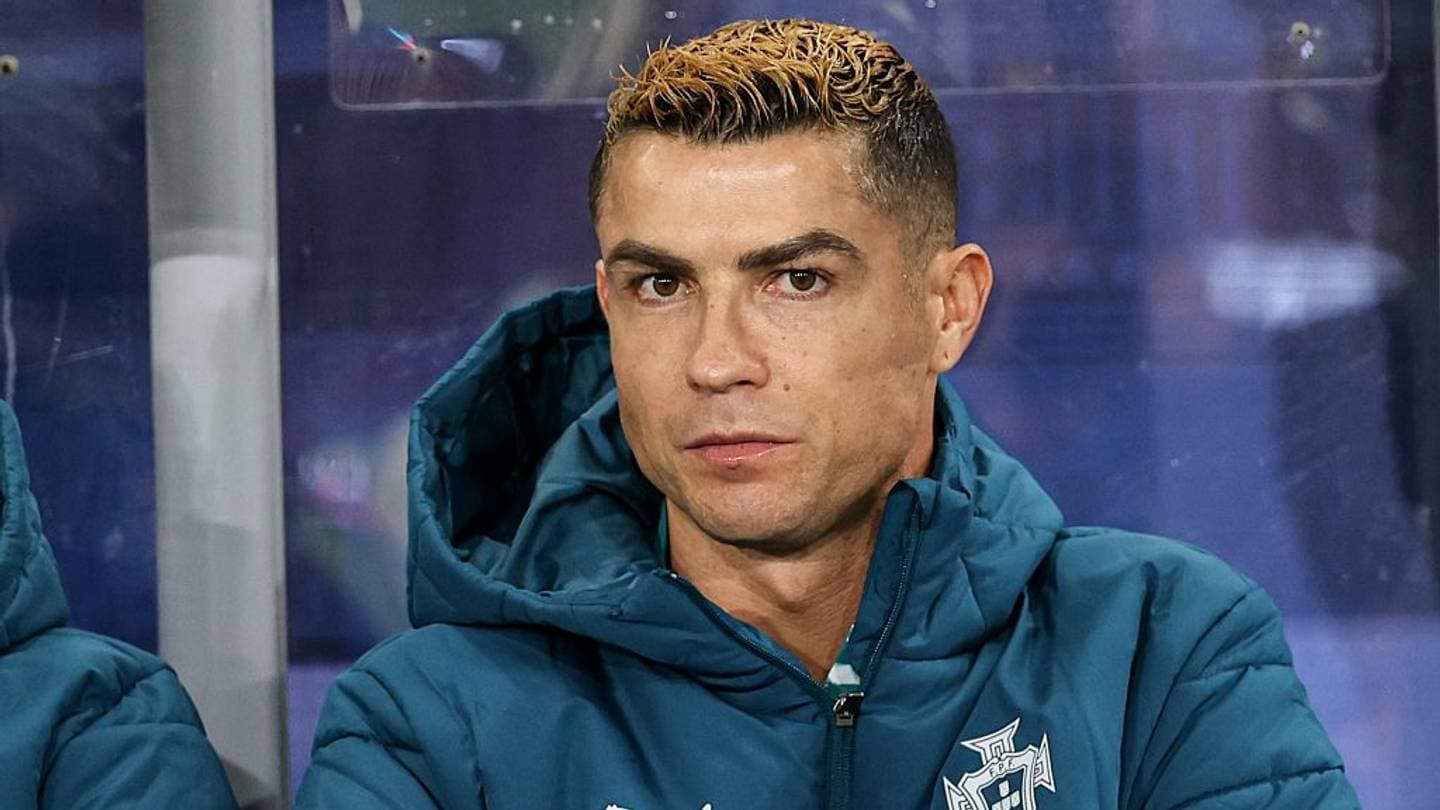
Portugal left 2026 with a nagging sense of missed opportunity. Surrounded by pace, invention and technical class, they persisted with Cristiano Ronaldo as their reference point in attack. A legend, yes. A natural, mobile line-leader at 41? No.
Ronaldo has already ruled out a 2030 appearance at 45, and the question now is whether Roberto Martínez has let this generation’s best shot at a first World Cup slip away.
The foundations remain strong. Diogo Costa (30) is one of the finest goalkeepers on the planet. In front of him, Gonçalo Inácio (28) and Nuno Mendes (27) form a defensive base most countries would envy. António Silva (26) will aim to reboot his promising career, apparently with Bournemouth, and still profiles as a long-term pillar.
In midfield, João Neves (25) and Vitinha (30) would walk into most national teams as automatic starters. Up top, Gonçalo Ramos (28), João Félix (30) and Francisco Conceição (27) all bring different weapons.
The concern lies with the ageing core. Bruno Fernandes (35), Bernardo Silva (35) and Rúben Dias (33) have carried Portugal for years. By 2030, they may no longer be able to drag the team through a month-long tournament. The talent pool is deep, but the sense of a golden window slipping away is hard to shake.
7) Norway – Haaland’s prime, Norway’s chance
Norway arrived in 2026 as dark horses. They leave as a team nobody will underestimate again. Their quarter-final run wasn’t a fluke; it was the product of a tight-knit group and a culture that turned heads across the tournament.
At the centre of it all, of course, stood Erling Haaland.
Few players seemed to enjoy the World Cup as much as Haaland (29), bulldozing defences with the same mix of power and precision he shows at club level. In 2030, he should still be terrifying. Around him, the supporting cast is maturing nicely. Andreas Schjelderup (26), Antonio Nusa (25) and Oscar Bobb (26) offer creativity and movement in the final third, giving Norway multiple ways to hurt opponents.
Martin Ødegaard (31) remains the conductor, provided he can finally shake off the injury issues that have stalked him. His vision and tempo control are irreplaceable.
The rebuild comes further back. Norway will need significant rotation in defence and in goal, areas where the depth is thinner and the questions bigger. But with Haaland leading the line and a confident group around him, they will arrive in 2030 believing they belong.
8) Côte d’Ivoire – The Elephants on the march
Côte d’Ivoire walked through a demanding Group E, taking down Ecuador and Curaçao before bowing out to Norway in the last 32. It was a campaign that confirmed what Afcon 2023 had already suggested: the Elephants are back among the continent’s elite.
If Emerse Faé remains in charge, he will have an enviable pool to shape as the World Cup partly returns to African soil.
Yahia Fofana (29) provides calm in goal, helped by a rugged, athletic defensive trio of Ousmane Diomande (26), Odilon Kossounou (29) and Wilfried Singo (29). Together, they give Côte d’Ivoire a platform to play on the front foot.
Up front, the options are almost decadent. Amad Diallo (27), Oumar Diakité (26), Elye Wahi (27), Yan Diomandé (23), Simon Adingra (28) and Ange-Yoan Bonny (26) can all stake a claim. It’s the kind of selection headache coaches dream of.
Midfield is the one area that looks light. If Franck Kessié (33) can no longer start every game at the same level, someone will have to step into that void. On paper, though, and with a first World Cup knockout win plus a recent Afcon title in their back pocket, Côte d’Ivoire look built for another step forward.
9) Germany – Klopp’s long runway
For years after their 2014 triumph, Germany drifted. Group-stage exits, identity crises, and a sense of a giant stuck between eras. Jürgen Klopp’s arrival changes the mood instantly.
He has four years to build the culture he wants, impose his style and overhaul a squad that has creaked in too many areas. For a national team in need of direction, that is a dream scenario.
Do they have the players to match his ambition? That’s the crux.
The late injury to Lennart Karl (22) on the eve of the 2026 World Cup was a major blow. The Bayern playmaker should be central to any reboot, bringing the kind of creativity Germany have sorely missed. Kai Havertz (30) will continue to drift into decisive spaces, scoring goals that defy his languid style. Florian Wirtz (27) and Jamal Musiala (27) must arrive fitter and sharper; their ceiling remains sky-high.
Nathaniel Brown (26) looks tailor-made for a wing-back role in a Klopp system, offering width and work-rate. Joshua Kimmich (35) has already dismissed retirement talk, a crucial decision given the upheaval looming in defence and midfield.
The rebuild will be messy. It has to be. But if any coach can turn chaos into a coherent, aggressive national side, it’s Klopp.
10) United States – A bruised, but promising, generation
The United States came into 2026 with optimism and left with a complicated mix of progress and frustration. The Balogun Affair stripped some of the gloss from what had been their most convincing World Cup performance on the men’s side, and Mauricio Pochettino’s long-term status remains unresolved.
Even so, the run to the last 16 revealed something vital: a cluster of players in the same age band, stepping up together, and projecting as the backbone of the next cycle.
The details of that core will be argued over in the years ahead, but the outline is clear. This is no longer a team just happy to be on the stage. It’s a group that expects to compete, and one that will arrive in 2030 older, tougher and fully aware of what it takes to survive a World Cup.
The question now is simple: can the United States turn promise into a genuine threat, or will 2026 be remembered as the moment they hesitated on the brink?