.svg&w=384&q=75 "Naijagoal logo")

Thomas Tuchel's Controversial Decision on Kobbie Mainoo
Thomas Tuchel’s World Cup call on Kobbie Mainoo has become one of the most contentious decisions of England’s campaign – and now there is a clearer picture of why the Manchester United midfielder never got on the pitch.
A breakout star left watching
Mainoo arrived at the World Cup on a surge of momentum. He had driven Manchester United through the 2025/26 run-in, helped secure Champions League qualification and forced his way into England’s squad on merit, not reputation.
Nobody realistically expected him to dislodge Declan Rice. Elliot Anderson was already firmly in Tuchel’s plans too. But a player who had just carried himself so impressively at club level could reasonably expect more than a front‑row seat and a tracksuit.
He didn’t get a single minute.
As England toiled in games where they lacked incision and control, the sight of Mainoo rooted to the bench became a symbol of a wider frustration. Cameras regularly caught him after full-time: face set, shoulders tight, the look of a young player who knew he could help but wasn’t being asked.
The week everything was supposed to change
According to The Daily Mail, there was a moment when that looked set to change.
In the build-up to England’s second group game against Ghana, Rice began to struggle with fitness. Jordan Henderson was injured. Training sessions were tweaked. Mainoo was moved into central midfield alongside Anderson. Inside the camp, the feeling grew that this was his opening.
He was, it seemed, in line to feature.
Then Tuchel cooled on the idea.
The report claims the England manager “had not liked what he saw” in that period. The details are not spelled out in tactical terms, but the picture painted is of a coach who, when presented with a potential solution, chose not to trust it.
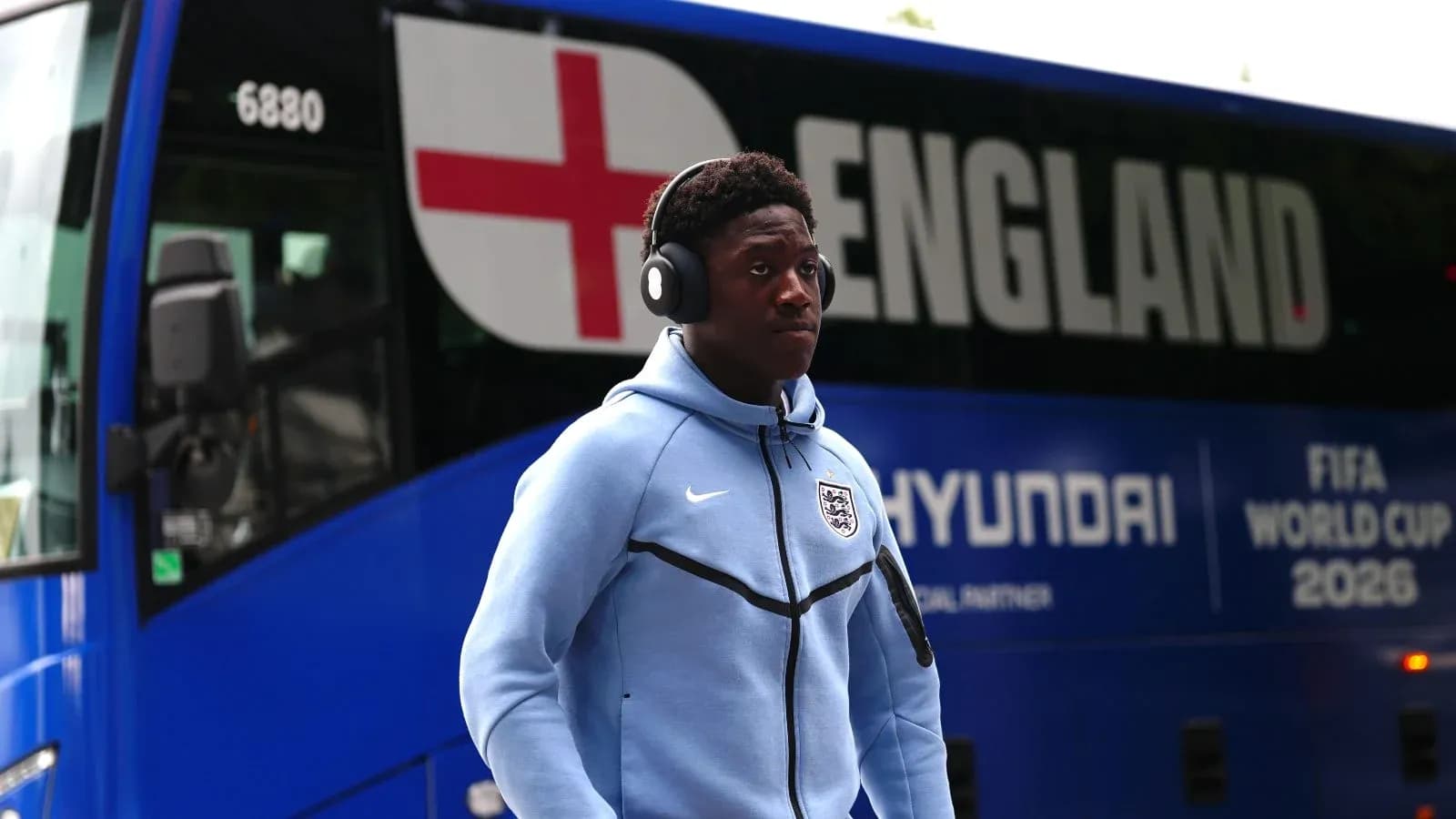
The reaction off the pitch did not help Mainoo’s cause either. After almost every match, he was said to be the first player to leave the stadium, alone, headphones on, disappearing into the night while others lingered. It did not go unnoticed.
A talent without a role
The Athletic has echoed that portrayal of a player out of step with the tournament. Their reporting describes Mainoo as “unhappy” during the World Cup, often the first back on the team bus, a young midfielder drifting on the fringes of a squad he had fought so hard to join.
Inside the camp, there was confusion. One source connected to the squad wondered if Tuchel had simply misread the situation – if he viewed Mainoo as a youngster content just to be there, to soak up the experience. Others felt the opposite: that the United midfielder had not done enough, on the training pitch and in his demeanour, to earn the manager’s full trust.
What nobody could clearly explain was the plan.
Mainoo trained well, according to a source close to the camp. He was fit. He was available. Yet as the tournament wore on, the hierarchy in Tuchel’s mind hardened. Reece James, a defender by trade, was moved into midfield ahead of him late on. Rice, clearly short of full fitness, continued to be pushed through games.
The message was unmistakable. When the crunch came, Tuchel preferred to improvise with a right-back rather than turn to a specialist central midfielder who had just powered his club into Europe.
A decision that will linger
This was not a case of a kid taken for experience and quietly eased in. Mainoo arrived as one of the form players in English football. He left without a single touch of the ball.
For Tuchel, the choice not to use him has already become part of the inquest into England’s World Cup failure. For Mainoo, the question is sharper: does this tournament become a turning point that hardens his edge, or the moment that tests his faith in the national setup before his international career has truly begun?