.svg&w=384&q=75 "Naijagoal logo")
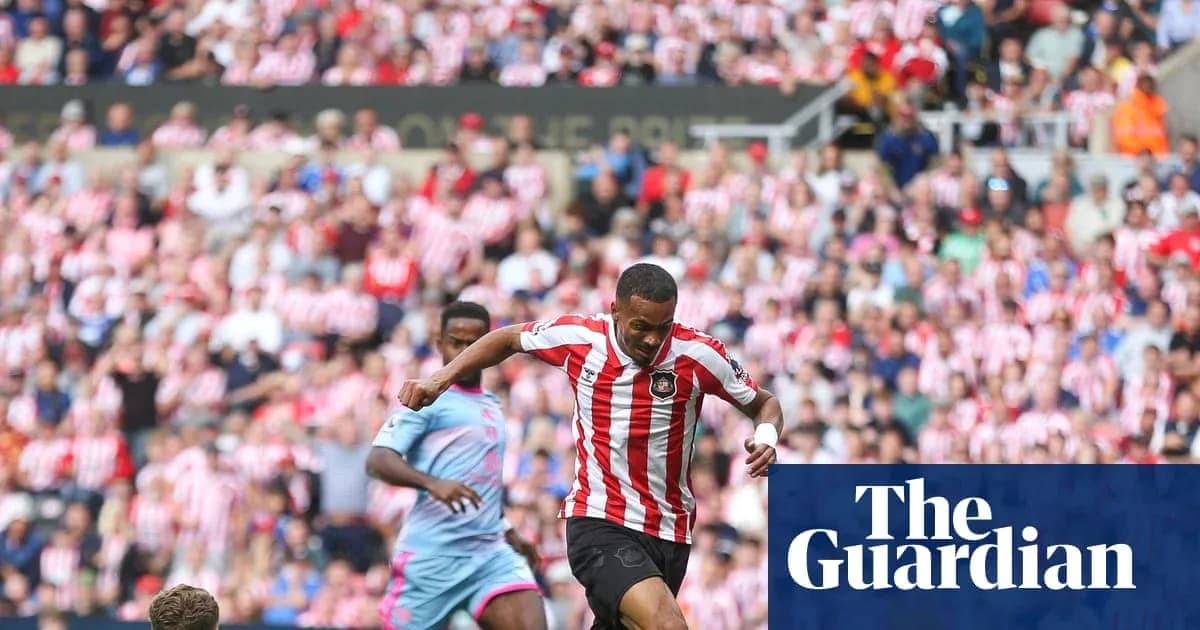

Sunderland Breaks Hoodoo Against Fulham with Dramatic Victory
Álvaro Arbeloa stared into the middle distance, frozen in thought. On the opposite bench, Régis Le Bris simply exhaled. Relief suited him. A match that often felt paralysed by the fear of losing was finally cracked open by two of his substitutes, Habib Diarra and Wilson Isidor, combining for a goal that changed far more than the scoreline.
Isidor’s finish did not just hand Sunderland their first win of the season and leave Arbeloa’s Fulham still pointless. It ripped up a 17-year stretch without a Premier League victory over the London club, a statistic that has hung over Wearside like a stubborn cloud.
Sadiki sets the tone
For 45 minutes, the game lived on the edge of something without ever quite stepping into it. Sunderland controlled the ball but rarely the danger. Their authority came from Noah Sadiki, who treated central midfield like his own private workshop.
The Democratic Republic of the Congo international snuffed out almost everything Fulham tried to build. Time and again he slid across to intercept, nicked possession, or forced the visitors back towards their own half. His work was so thorough that Fulham fashioned only one real chance before the break: Alex Iwobi threaded a clever ball into Josh King, who then misjudged the angle and miscued from a tight position.
Robin Roefs, in Sunderland’s goal, could hardly have asked for a quieter opening period. Bernd Leno at the other end barely broke sweat either. Sunderland’s dominance of possession never sharpened into anything truly threatening, their attacking play blunt enough to leave Fulham’s goalkeeper largely untroubled.
The result was a nervous stalemate, a match wrapped in caution. From the directors’ box, Kyril-Louis Dreyfus had a clear view of why Le Bris has been pushing so hard for a specialist right-winger and another striker before the transfer window closes. Sunderland had control but not enough incision.
Mukiele’s statement, Fulham’s warning
At least Le Bris could console himself with the return of Nordi Mukiele to the heart of defence. The former Paris Saint-Germain defender quickly reminded everyone why his presence matters so much on Wearside.
Early in the second half, Sander Berge sliced open Sunderland with a superb through ball, sending Gonzalo García racing clear. García, who had scored in each of his first two competitive games since joining from Real Madrid, seemed certain to continue that streak. Then Mukiele arrived, timing a sliding challenge to perfection and smothering what looked like a near-certain goal.
It was a crucial intervention, but also a warning. Fulham were beginning to read the game better, starting to find small pockets of space between Sunderland’s lines. García kept probing, trying to decode a back line that had largely kept him quiet.
Le Bris sensed the shift. Rather than wait for the game to tilt against him, he moved first.
Substitutes seize control
On came Habib Diarra and Wilson Isidor, replacing the subdued Nilson Angulo and Brian Brobbey. The change injected urgency. Suddenly Sunderland’s attacks carried pace, angles, and a hint of menace.
The pressure almost told immediately. Enzo Le Fée produced a gorgeous first-time ball across the face of goal, the sort of delivery that begs to be finished. Isidor arrived at speed. It looked easier to score than miss. Somehow he struck the base of the post.
Le Bris dropped to his knees, a picture of disbelief. Isidor looked stricken, staring at the turf as if it had betrayed him.
The moment could have broken him. Instead, it set up his redemption.
Barely minutes later, Sunderland broke again. This time Diarra took charge, sweeping a fabulous ball across the box. Isidor read it perfectly, adjusted his stride and, without hesitation, drilled a high-velocity, razor-sharp shot past Leno. No woodwork, no doubt, no second chances required.
The Stadium of Light roared. A long, frustrating record against Fulham was suddenly under threat, and the team feeding off that history played with a new conviction. Diarra and Isidor had not just changed the score; they had changed the mood.
Fulham, stretched by their own high defensive line, looked vulnerable every time Sunderland turned and ran at them. The visitors tried to respond, but the energy had shifted. Sunderland’s substitutes had taken hold of the game and refused to let go.
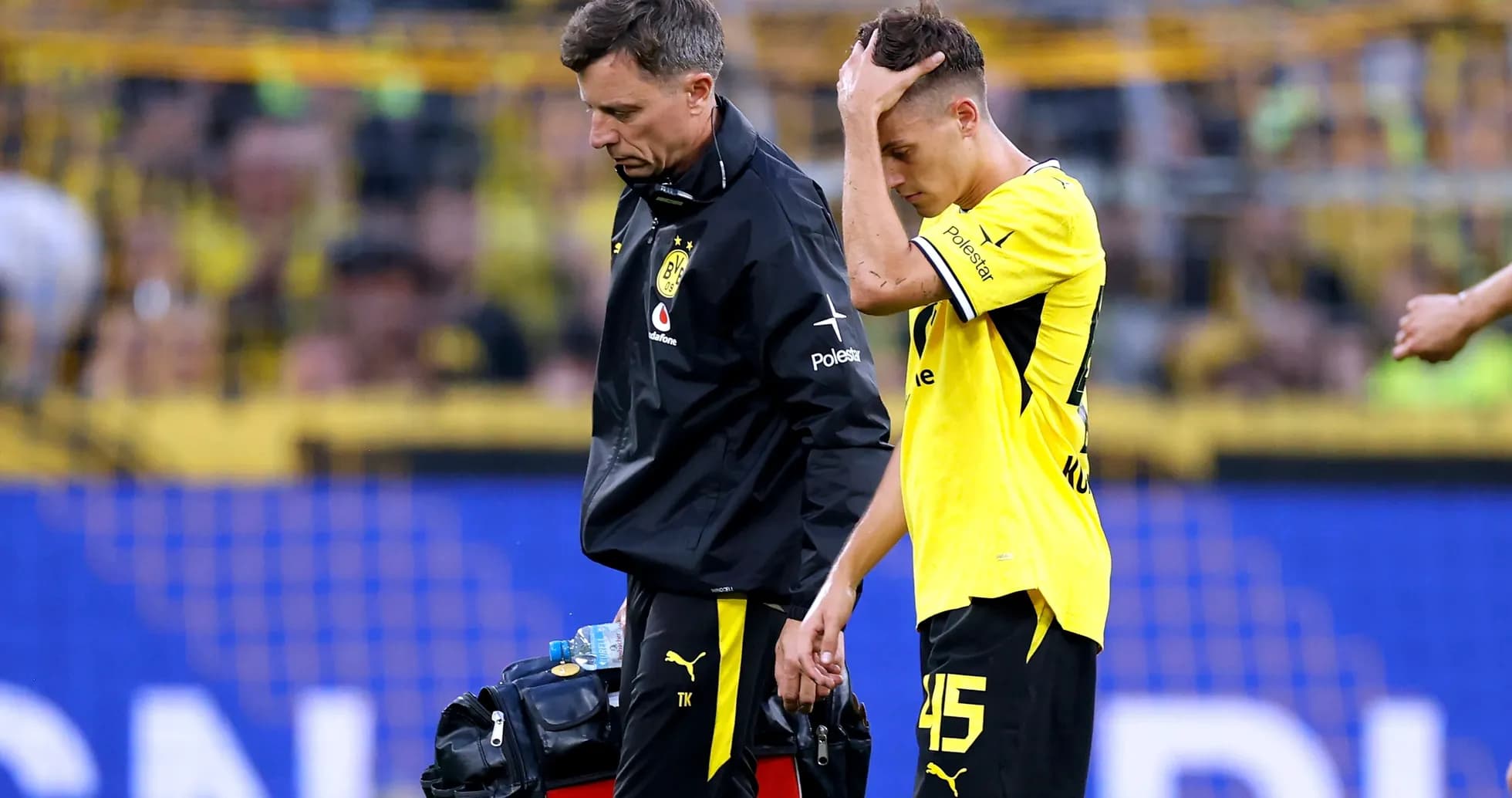
Diarra’s night did not last long. An injury cut short his cameo, forcing Le Bris to turn to Chris Rigg. The disappointment was obvious, but the damage to Fulham was already done.
By then, the pattern was set. Sunderland had their breakthrough, their first league win of the season, and a long-standing hoodoo against Fulham finally broken. Diarra and Isidor walked off knowing they had done just enough. The question now is what this release of pressure will unlock in Le Bris’s team as the season starts to gather speed.