.svg&w=384&q=75 "Naijagoal logo")
Spain's World Cup Hopes Amid Injury Concerns
Spain coach Luis de la Fuente insists he is sleeping soundly. On paper, he has every reason not to.
Teenage phenomenon Lamine Yamal is nursing a hamstring. Nico Williams has just limped off with a muscle problem. Mikel Merino is still working back from a broken right foot. Three pillars of Spain’s attacking and midfield structure, all in the hands of club doctors as the World Cup looms into view.
Injuries mount, belief holds
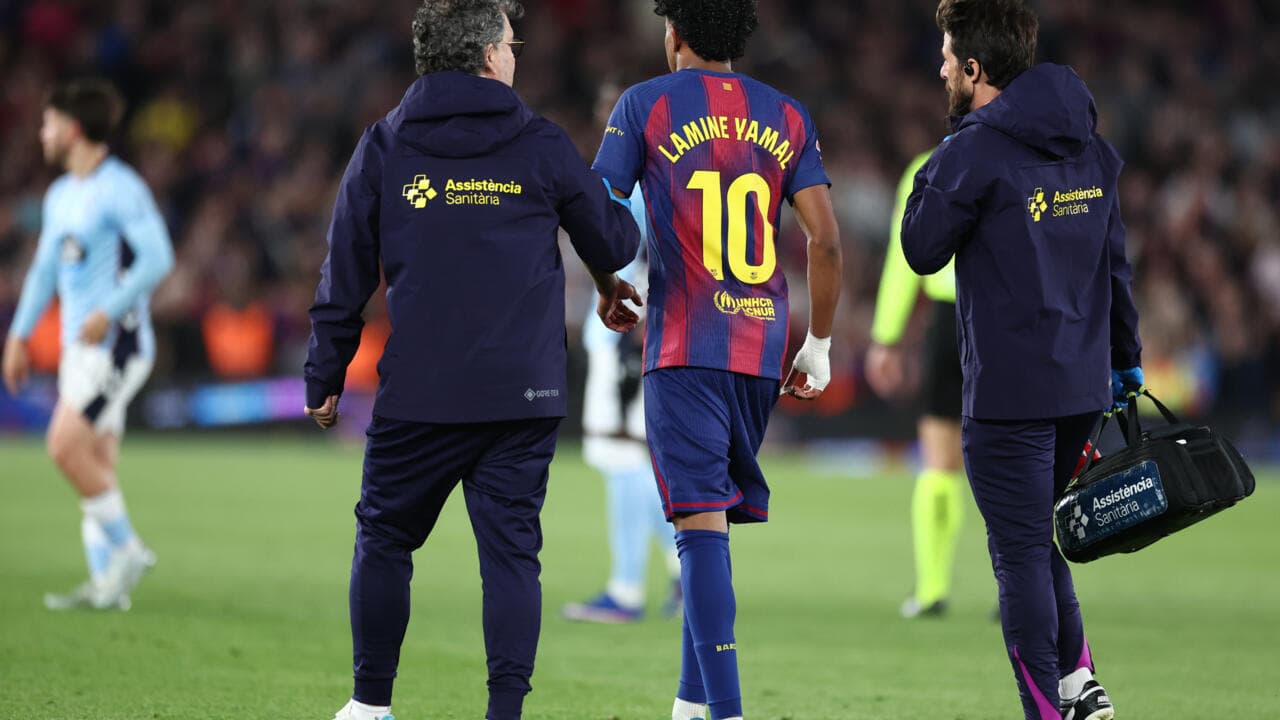
Yamal, 18, has already been ruled out for the rest of Barcelona’s season after his late-April hamstring injury. For his club, the campaign is over. For Spain, the clock has only just started.
Barcelona expect him to be ready for the start of the tournament in the United States, Canada and Mexico. Spain are clinging to the same timeline. Yamal is not just another squad member; he is a symbol of the team’s new era. Losing him would change the entire geometry of De la Fuente’s attack.
On Sunday, another alarm bell rang. Athletic Bilbao’s Williams, one of La Roja’s most explosive wide options, suffered a muscle injury. No coach wants to see a winger known for his power and acceleration grabbing at a leg in May, with a June opener on the horizon.
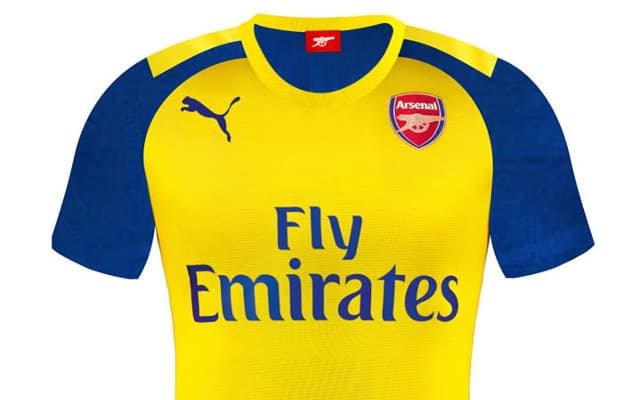
Merino’s case is different but no less delicate. The Arsenal midfielder fractured his right foot three months ago and has been sidelined since. He brings control, height, and a rare blend of graft and craft in midfield. Spain do not have many players like him.
De la Fuente, though, is refusing to sound the sirens.
“I think that all the players who have been mentioned will be fit and available for the start of the World Cup and I believe for the first match,” he told journalists, projecting calm where many would see chaos.
Then came the caveat, delivered with the matter-of-fact tone of a man who has lived enough seasons to know how quickly plans can twist.
“But if it’s not for the first match, it would be for the second or third, and it doesn’t cause any major setbacks.”
A brutal season takes its toll
He did not try to sugar-coat the broader picture.
De la Fuente called it “a very tough year in terms of injuries” and went further, describing “the world of injuries” as “the tragedy of sport”. That phrase hung in the air. Every coach heading to a World Cup understands it too well.
This is the critical stretch: domestic seasons finishing, finals being played, training loads peaking, and legs fraying. One misstep on a tired pitch, one sprint too many, and a World Cup dream can vanish.
“Injuries that occur from now on, any minor muscular injury, are really difficult to recover from,” he warned. That is the nightmare scenario — not the players already in rehab, but the ones who go down in the coming days.
So Spain walk a tightrope. They need their stars sharp, but not shattered. Clubs want to squeeze every last drop from them before handing them over. The national team staff, watching from a distance, can only hope.
Squad plans take shape
Amid the uncertainty, some things are fixed. De la Fuente confirmed his World Cup squad will contain 26 players, the maximum allowed. He will not travel light.
There is another layer to his plan. Additional players will be called in for a friendly against Iraq on June 4. That game will serve as both a test and a safety net — a chance to look at alternatives, to cover for any last-minute setbacks, to give minutes to those returning from injury without throwing them straight into the World Cup furnace.
It is also a message to the fringe players: stay ready. One scan result, one training setback for a star name, and the door could swing open.
Cape Verde first, then the real test
Spain’s tournament begins on June 15 in Atlanta against Cape Verde. On paper, it is the softest fixture in a group that also contains Uruguay and Saudi Arabia. On grass, in World Cup conditions, with players still searching for rhythm after injuries, nothing will feel simple.
Cape Verde will see opportunity. Spain will see a match they cannot afford to mishandle, especially if Yamal, Williams or Merino are still short of full sharpness.
Uruguay bring pedigree and edge. Saudi Arabia have already shown on the biggest stage that they can shock giants. This is not a group that tolerates slow starts.
De la Fuente knows his margins. He is backing his medical staff, his players’ resilience, and the calendar. For now, he insists the plan holds, the key men will make it, and the setbacks are manageable.
The World Cup, though, has a habit of tearing up even the best-laid medical bulletins. Spain’s campaign may hinge on a handful of hamstrings and a healing foot.