.svg&w=384&q=75 "Naijagoal logo")

South Africa's WAFCON Title Defence Squad Announced
Desiree Ellis has nailed her colours to the mast. The South Africa coach has gone with tried and trusted champions, laced with a handful of compelling comeback stories, as Banyana Banyana chase back‑to‑back Women’s Africa Cup of Nations titles and a ticket to the 2027 FIFA Women’s World Cup.
The 26-player squad for Morocco 2026 is heavy with World Cup know‑how. It has to be. This is not just about a trophy; this WAFCON doubles as Africa’s road to Brazil, with the four semi‑finalists qualifying automatically and two more nations heading into intercontinental playoffs.
Ellis has recalled the spine that carried South Africa to their first continental crown in 2022. Up front, Thembi Kgatlana returns as the cutting edge, with Hildah Magaia — the match‑winner in that famous final against Morocco — back in the fold despite currently being unattached. Magaia’s two goals in Rabat secured South Africa’s only WAFCON title to date; her inclusion is a nod to history and a bet on big‑game temperament.
Behind them, the midfield core looks familiar and formidable. Linda Motlhalo, Refiloe Jane and the returning Robyn Moodaly-Salgado headline a group built to keep the ball and dictate tempo. Jane, now fully fit after an injury setback, remains the heartbeat in the centre of the park, while Motlhalo’s craft will again be crucial between the lines.
Moodaly-Salgado’s name jumps off the page for another reason. Having previously retired from football, she is back in national colours and will share the dressing room with her spouse, Gabriela Moodaly-Salgado, also selected. Gabriela’s return carries its own emotional weight: she suffered a horrific broken leg at the last WAFCON. To see both Moodaly-Salgados on the list is a reminder of the resilience running through this squad.
At the back, Ellis has stuck with the core that has carried South Africa through recent tournaments. Defenders Lebohang Ramalepe and Bambanani Mbane are in again, pillars of a unit that has grown together over years of continental and global competition. They are joined by Lonathemba Mhlongo, Karabo Dhlamini, Asanda Hadebe, Antonia Maponya, Khutso Pila and Fikile Magama, offering depth across the back line.
In goal, there is no surprise. Kaylin Swart and Andile Dlamini, both with World Cup experience, headline the goalkeeping group, with Kebotseng Moletsane completing the trio. Between them, Ellis has reliability, leadership and penalty‑area authority.
Jane sets the tone: “We know what is at stake”
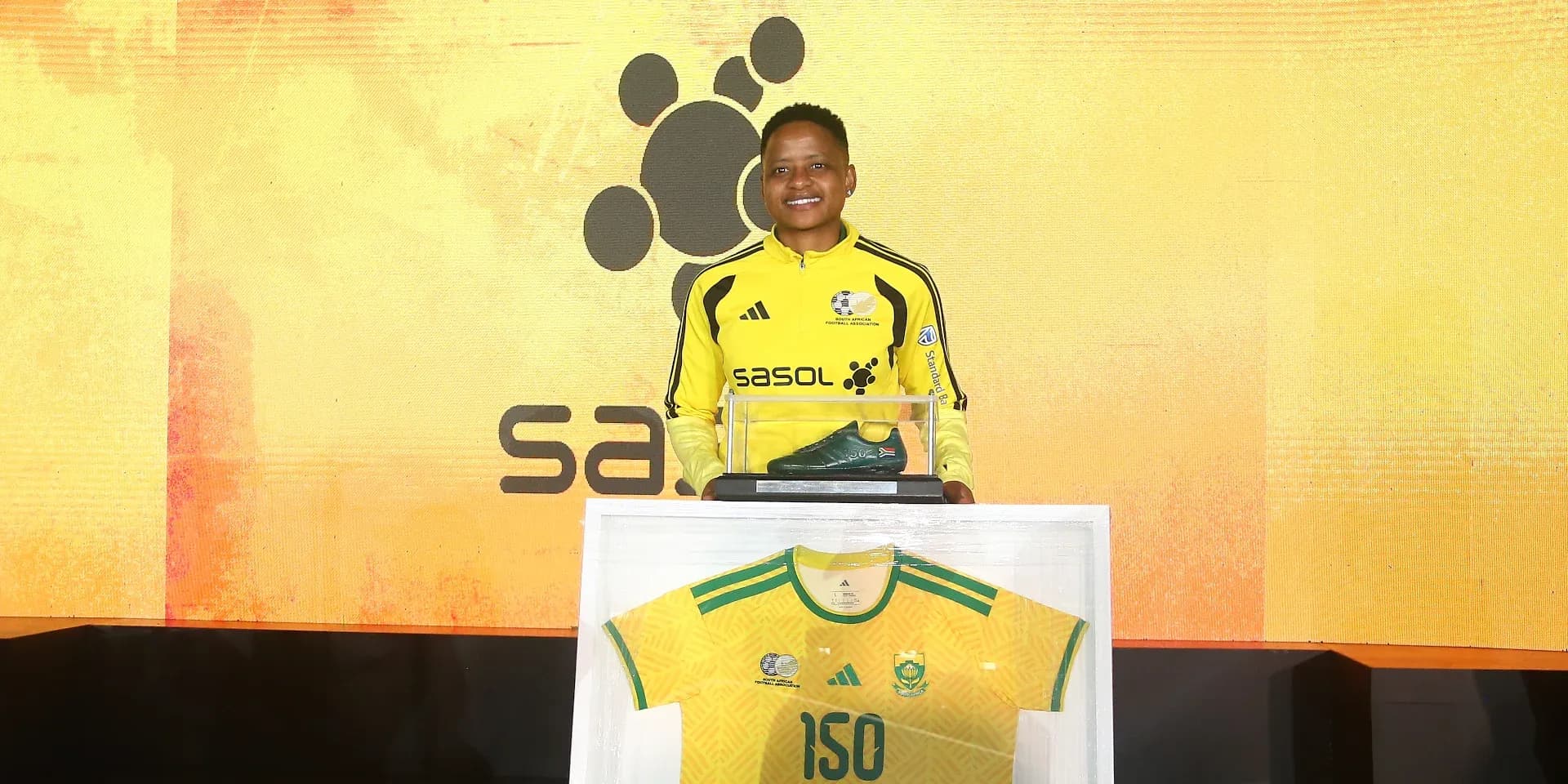
If there was any doubt about how South Africa view this tournament, captain Refiloe Jane removed it. She was blunt about the standards they failed to reach last time out and clear about the mission in Morocco.
"It's very important for us to do well in this upcoming tournament. We know the previous one did not go very well, but we all know what is at stake with this one. It is a World Cup qualifying tournament, so the main objective is to qualify for the World Cup, and then we will take everything further from there."
The timing of the competition has worked in her favour. The postponement, often a source of frustration for coaches and players, allowed Jane to complete her recovery and regain rhythm with TS Galaxy Queens.
"It was a blessing in disguise when the tournament was postponed because we were still in the off-season. Now that the league has started and players have got minutes under their belts, it is helping the team in a way. Personally, I am happy that I am able to start with the team on a high note and build from there. We're grateful that the league has started and that we are doing well as individuals in our respective teams."
Her words point to a squad arriving in Morocco sharper, fitter and battle‑ready, rather than scrambling for form in pre‑tournament camps.
Filling a giant void
One absence hangs over this group. Jermaine Seoposenwe, a veteran midfielder and long‑time standard‑bearer for Banyana Banyana, has retired, leaving a gap that cannot simply be patched over with a name on a teamsheet.
Jane did not downplay it. "Obviously, we know that Jermaine was a big part of the team, and her absence is felt, whether on or off the field. She is a special kind of person and player and whenever a senior player leaves the team, there is a gap left. However, I am hoping that the younger players have learned from her, and we're hoping that with the players we have, we will be able to move forward."
That is the challenge now: to turn Seoposenwe’s legacy into fuel. For the younger midfielders — Bongeka Gamede, Noxolo Cesane, Nonhlanhla Mathandi, Sibulele Holweni, Isabella Ludwig and Amogelang Motau — this is the moment to step out of the shadows and into responsibility.
The road through Group B
The route to the knockouts is clear, and it is unforgiving. Drawn in Group B, South Africa open their campaign against Tanzania in Casablanca on July 27. It is the kind of fixture that can set a tone, for better or worse.
Four days later they meet Ivory Coast, a side capable of disrupting rhythm and punishing lapses. On August 4, Burkina Faso close out the pool phase. Only the top two teams in each group advance to the quarterfinals; there is no room for drift, no time to play their way slowly into form.
Ellis has built a squad with that reality in mind: hardened defenders, a midfield blend of nous and energy, and forwards who have already delivered on the biggest African stage. Kgatlana, Magaia, Ronnel Donnelly, Nthabiseng Majiya and Zoe October carry the responsibility of turning possession into points.
Jane has been clear about the priorities. South Africa want to defend their WAFCON crown, but the first job is non‑negotiable: secure qualification for the FIFA Women’s World Cup.
The question now is simple and ruthless: can this seasoned, battle‑scarred group climb the mountain again, with the rest of the continent gunning for the champions?