.svg&w=384&q=75 "Naijagoal logo")

Tiny Nations at the 2026 World Cup: Curacao, Cape Verde and Others in Context
2026 World Cup Features Some of the Smallest Nations Ever
The upcoming FIFA World Cup in North America is set to be the biggest tournament yet, with 48 teams competing. This expansion opens doors for smaller countries to join the world stage, leading to fresh stories from far-flung parts of the globe.
With more slots available, traditional soccer powers faced less pressure to qualify, making some previous eliminations like Italy’s failure an unusual exception. Brazil barely made it through South America’s qualifiers, finishing fifth, a spot that might have excluded them in earlier editions. Now, the top six teams from CONMEBOL qualify directly, allowing Bolivia a chance at a playoff against Iraq—who won and made their World Cup debut. Iraq, though new to the tournament, has a population nearing 48 million, but other newcomers hail from much smaller populations.
Smallest Nation Ever to Play in a World Cup
Iceland held the record as the smallest country to compete when they played in 2018, with only 350,000 people. They surprised many by holding Argentina to a 1-1 draw in their first match, highlighted by a penalty save from goalkeeper Hannes Halldorsson. Now, Curacao claims the title as the smallest nation to qualify, with just 185,500 residents.
About Curacao
Curacao lies in the Caribbean Sea, about 40 miles north of Venezuela. Their national team competes under CONCACAF and was ranked 82nd by FIFA before the 2026 World Cup draw. In Group E, they face tough opponents including Germany, Ecuador, and Ivory Coast.
About Cape Verde
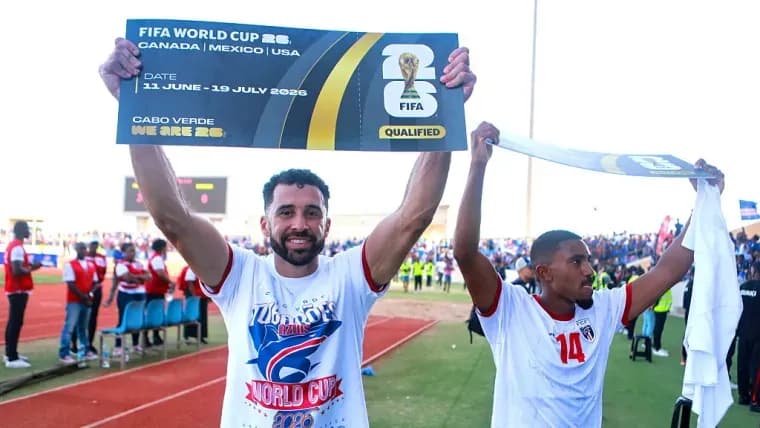
Located off West Africa’s coast in the Atlantic Ocean, Cape Verde is made up of ten volcanic islands. Its population of just over half a million makes it one of Africa’s least populous countries. Cape Verde topped their CAF qualifying group ahead of Cameroon and entered the tournament ranked 67th by FIFA.
Smallest Country to Win the World Cup
Uruguay stands out as the smallest nation to claim the World Cup title. Winners of the very first tournament in 1930 and again in 1950, they achieved this feat with populations around 1.5 and 2 million respectively. Uruguay continues to perform well internationally, drawing talent like Luis Suarez and Edinson Cavani from a population near 3.5 million.
Croatia came close to joining this exclusive group by reaching the final in 2018, when its population was about 3.9 million. Although they lost to France, Croatia's consistent deep runs in recent tournaments show they regularly defy expectations for a country of their size.