.svg&w=384&q=75 "Naijagoal logo")

Cape Verde Triumphs in World Cup Match Against Saudi Arabia
Cape Verde arrived in Houston with a nation on their shoulders and a calculator in their heads. Ninety minutes against Saudi Arabia, eyes flicking thousands of miles away to Guadalajara, where Spain and Uruguay were tearing at the other half of Group J. One more result, one more act of defiance, and the World Cup debutants would be through.
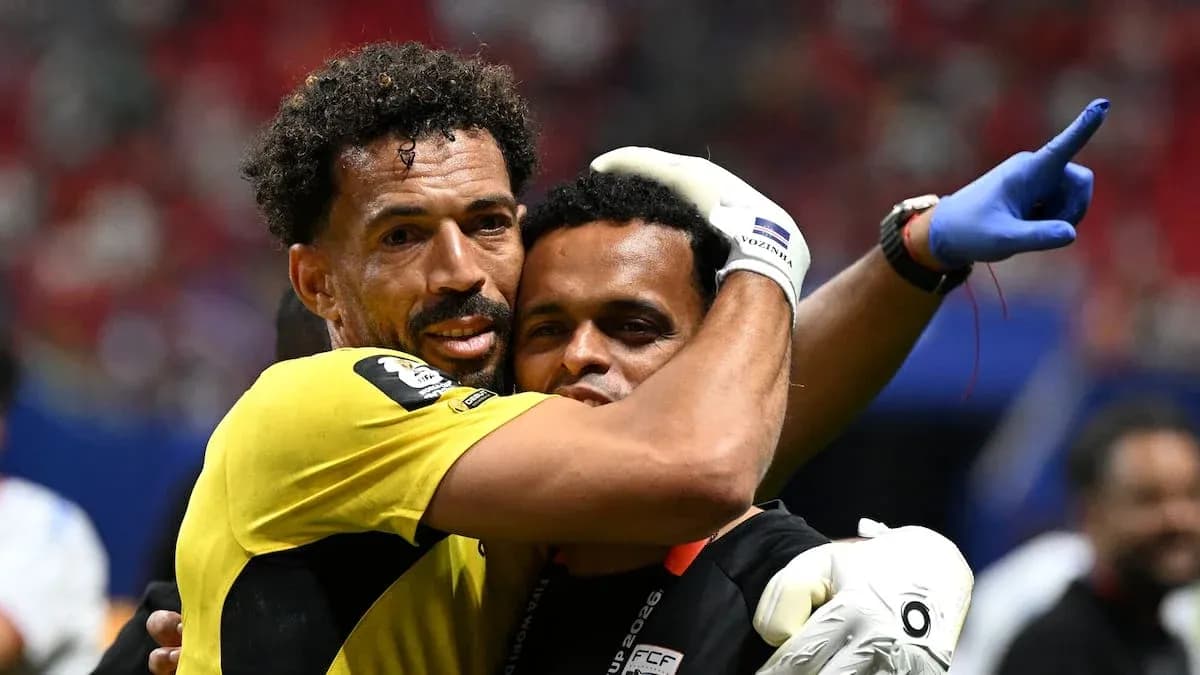
Bubista knew exactly what was at stake. With history within touching distance, the Cape Verde coach ripped up half his starting XI, some changes forced, others bold. One decision, though, was never in doubt. In goal, the 40-year-old icon Vozinha stayed put.
He has become the heartbeat of this campaign. He stood tall against Spain, the European champions, in their first-ever World Cup match, repelling wave after wave to secure a famous point that stunned the group and lit up the tournament. Then came Uruguay, two-time world champions, and Cape Verde refused to bow there as well, slugging their way to a fearless 2-2 draw that left them on the brink of the unthinkable.
So to Saudi Arabia, in a Houston heat thick with tension. Both sides still alive. Both knowing that a single lapse, a single loose touch, could end the dream.
Cape Verde settled quicker. They moved the ball with a quiet authority, pressing high in spells, snapping into challenges when Saudi Arabia tried to play out. The Saudis, who had drawn 1-1 with Uruguay before being dismantled 4-0 by Spain, looked hesitant, caught between caution and desperation.
Then came the first major twist. On 33 minutes, Saudi Arabia lost their defensive anchor. Hassan al-Tambakti, one of their most experienced backs, went down and stayed down. The stretcher arrived, and with it a sense of vulnerability. Cape Verde smelled it.
They pushed higher. Willy Semedo cut inside and let fly, his effort skidding not far wide of the post. It wasn’t a clear-cut chance, but it was a warning, and it underlined who carried the greater threat in a first half that simmered more than it boiled.
All the while, word filtered through from Mexico. Near the end of the first half in Guadalajara, Spain broke the deadlock against Uruguay. In Houston, the reaction was instant. Cape Verde fans roared as if their own side had scored. For a moment, the stadium felt like a home ground.
At that point, the equation was simple: Cape Verde were going through at Uruguay’s expense.
The second half began with the kind of chance that can haunt a team. Just three minutes after the restart, Jamiro Monteiro found himself close in, the ball sitting up invitingly. This was it. But his finish lacked conviction, a tame effort that let Saudi Arabia off the hook.
The pressure did not relent. Kevin Pina stepped up from midfield and unleashed a strike from distance that tore through the air and skimmed just off target. Cape Verde were not sitting on the draw; they were trying to grab the group by the throat.
Saudi Arabia, by contrast, never quite found their rhythm. As the clock ticked into the final quarter, they needed urgency, ideas, something. Instead, they laboured. Possession without incision, territory without menace. For a side chasing their own survival, they looked strangely blunt.
Their goalkeeper, Mohammed al-Owais, refused to follow that script. On 75 minutes, Laros Duarte burst through and struck cleanly, eyes already widening in anticipation. Al-Owais read it, sprang, and produced a vital save that kept Saudi Arabia clinging to hope.
The save should have sparked a late siege. It didn’t. If anything, Cape Verde grew stronger as the minutes drained away. They managed the game, held their shape, picked their moments to break. A point was enough, but their ambition never fully dimmed.
As the match crept into its dying moments, the story felt bigger than the scoreline. A small island nation off the west coast of Africa, on World Cup debut, trading blows with established powers and refusing to blink.
Spain had done their part. Cape Verde had done theirs. The whistle went in Houston, and with it, the confirmation: the outsiders were still standing, still daring, still alive in a World Cup that suddenly has a new underdog to fear.