.svg&w=384&q=75 "Naijagoal logo")

Sekhukhune's Tactical Discipline vs Chiefs' Second Half Surge
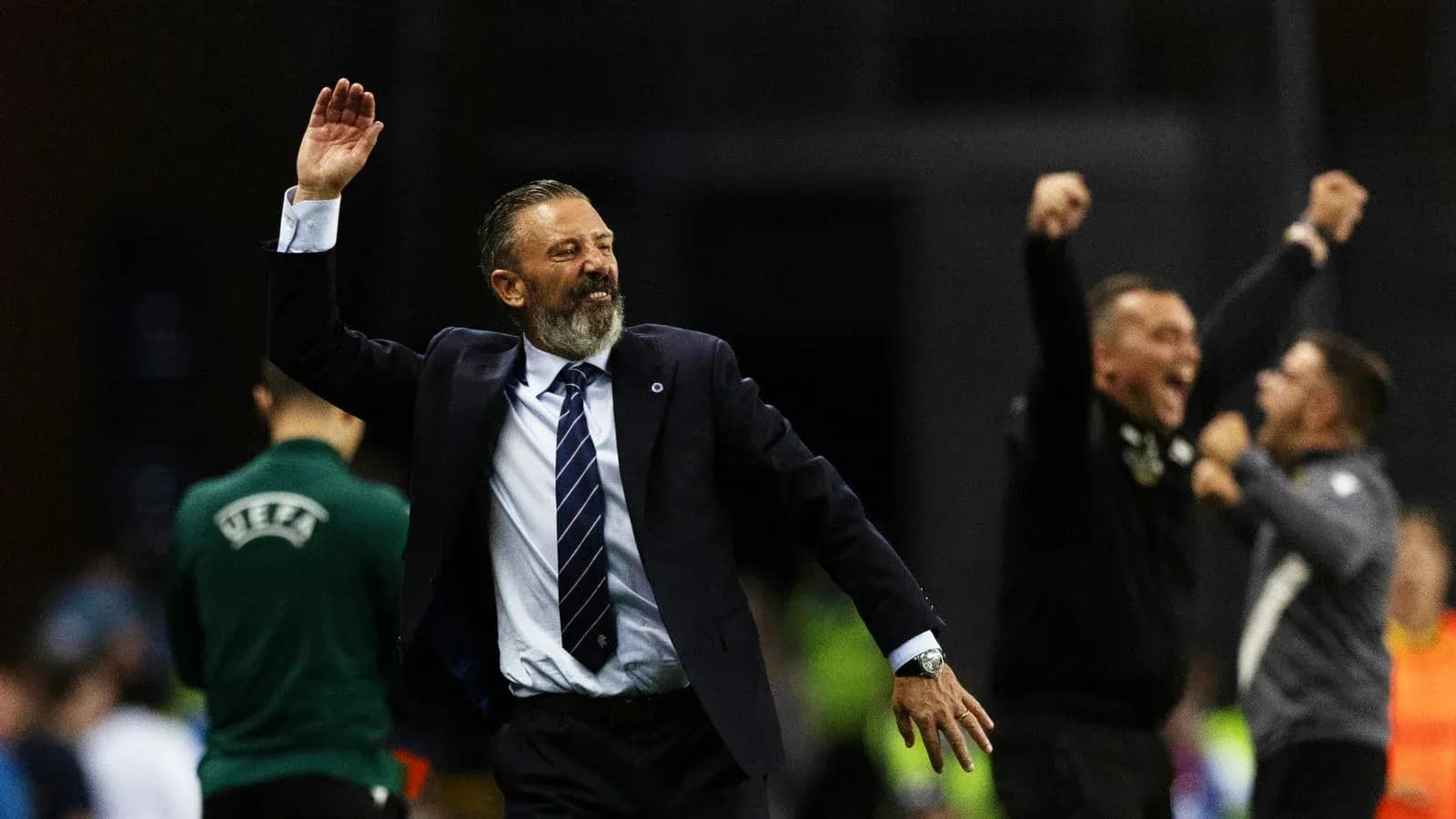
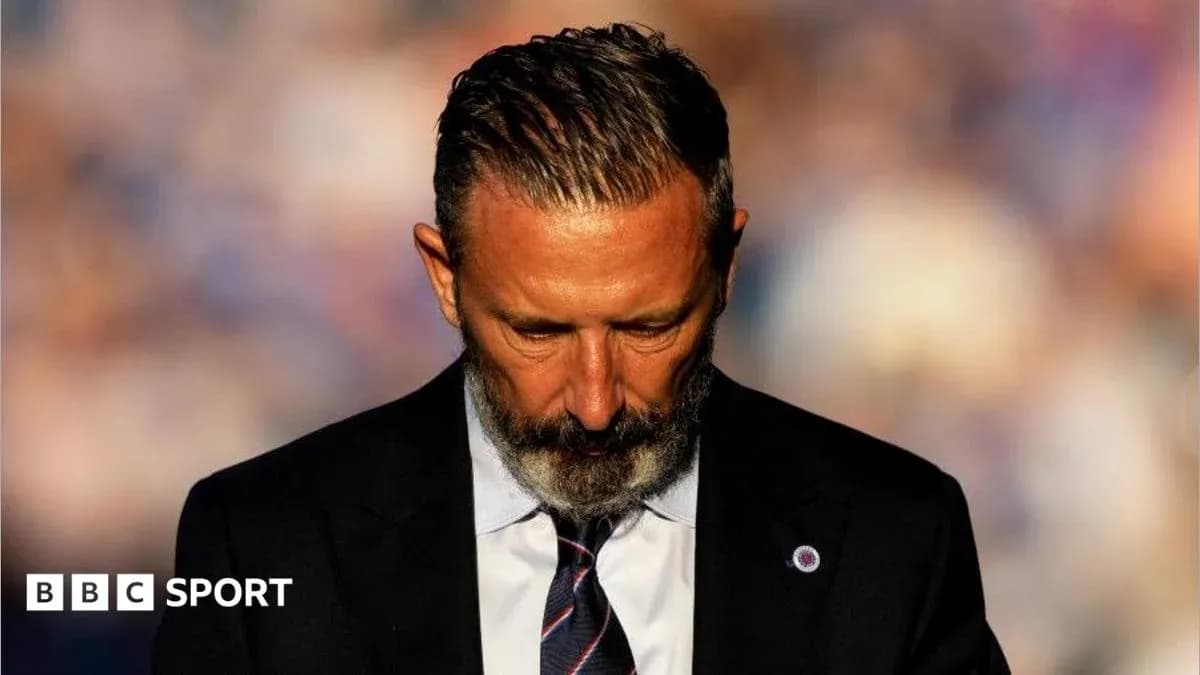
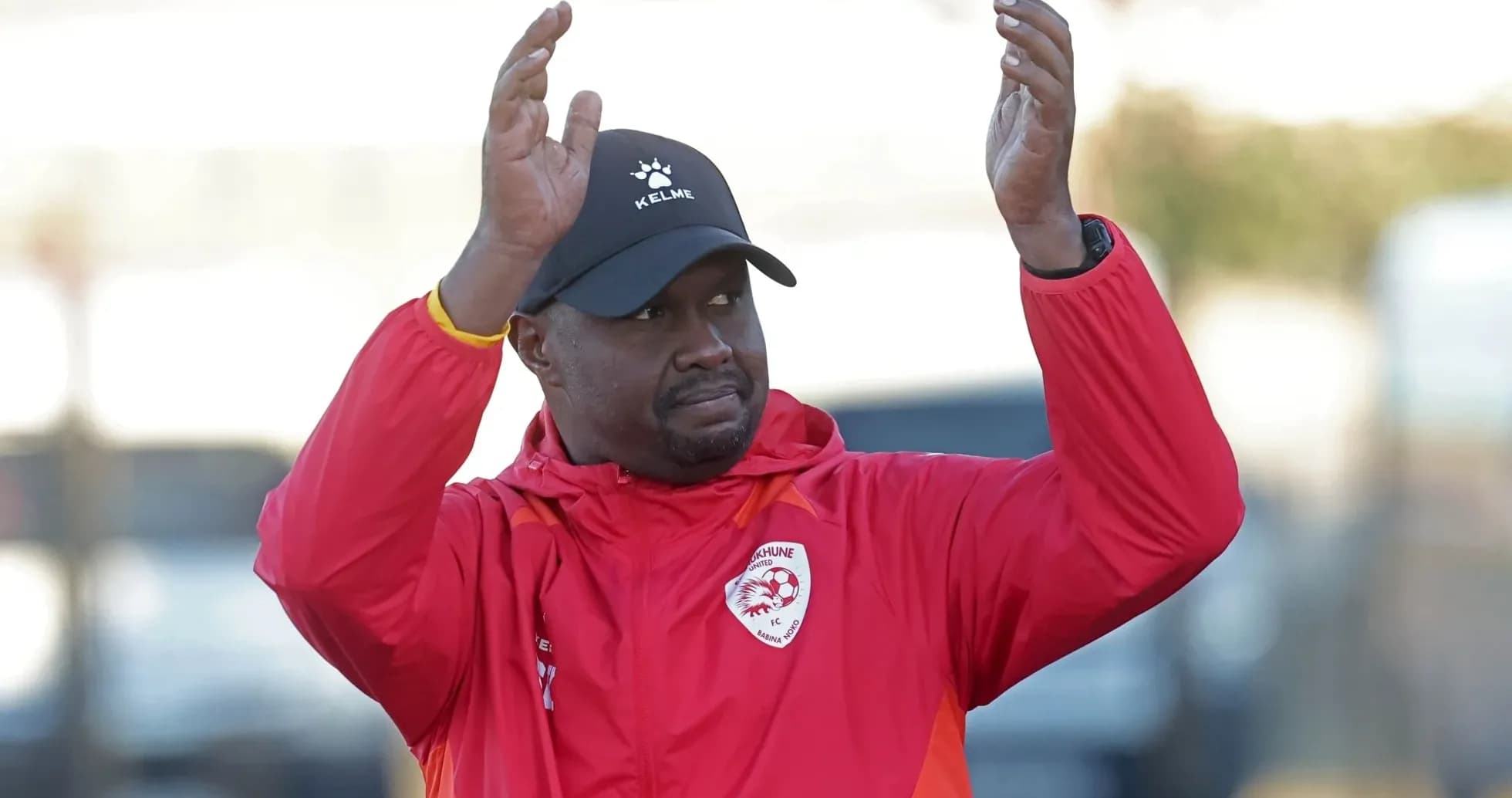
Kaze walked into this fixture with a secret few coaches ever enjoy – he knew almost everything about the opposition dressing room.
Fresh from his stint at Naturena, the Sekhukhune United boss faced a Kaizer Chiefs side packed with familiar faces. Ten of the 11 Chiefs starters had worked under him. Their strengths, their habits, even their tells in tight spaces – all filed away in his memory.
For 45 minutes, it showed.
Low block, high discipline
Sekhukhune arrived with a clear plan: slow the game down, kill the spaces, and let Chiefs stew in their own frustration after that bruising MTN8 exit.
They sank into a disciplined low block, closing central lanes and shutting down the wide channels where Chiefs usually thrive. Fernando da Cruz’s side probed, but the rhythm never quite came. The crowd grew restless. The visitors stayed calm.
"We prepared well, and we knew that Chiefs would come out in a bit of a rush because of their defeat in their last game," Kaze said afterwards. "We knew that we had to slow the game down and not allow them to get space, especially in the wide areas, stopping them from having 1v1 situations and closing the central lines."
The early storm never truly broke. Sekhukhune’s structure held. The first half belonged to the game plan.
Then the legs went.
A brutal call on Vandala
The turning point wasn’t a goal. It was a substitution.
At 60 minutes, chasing more attacking threat, Kaze turned to Mcedi Vandala. The 31-year-old winger, recently signed from AmaZulu, replaced Thato Khiba with the instruction to inject spark into a tiring side.
Twenty minutes later, Vandala was trudging off again.
Hauled off for Karabo Tlaka, the winger’s brief outing became one of the night’s biggest talking points – the kind of change that cuts straight to a player’s pride and invites immediate scrutiny of the coach.
Kaze didn’t flinch.
“It was a tactical decision from us, from me and I hope we work it out, the way I wanted him to perform and the impact I wanted from him is not what I wanted to see,” he explained.
No sugar-coating, no hiding behind vague phrases. It was ruthless, but it underlined something else: a coach feeling the game slipping and willing to make a harsh call to try to wrestle it back.
By then, though, Chiefs had sensed the shift.
Heavy legs, heavy price
The resilience that had defined Sekhukhune’s first half began to crack under a more basic problem – fatigue.
Babina Noko had gone through 120 gruelling minutes in an MTN8 clash against AmaZulu over the weekend. Those extra miles caught up with them. The pressing lost its bite. The distances between the lines grew. The compact block that had frustrated Chiefs started to stretch.
“I feel like in the second half, we were a little bit passive while they increased the tempo of the game,” Kaze admitted. “But it is a well-deserved win for Chiefs; they played well in the second half. We didn’t start [the half] well, and we had a lot of heavy legs.”
The pressure finally told.
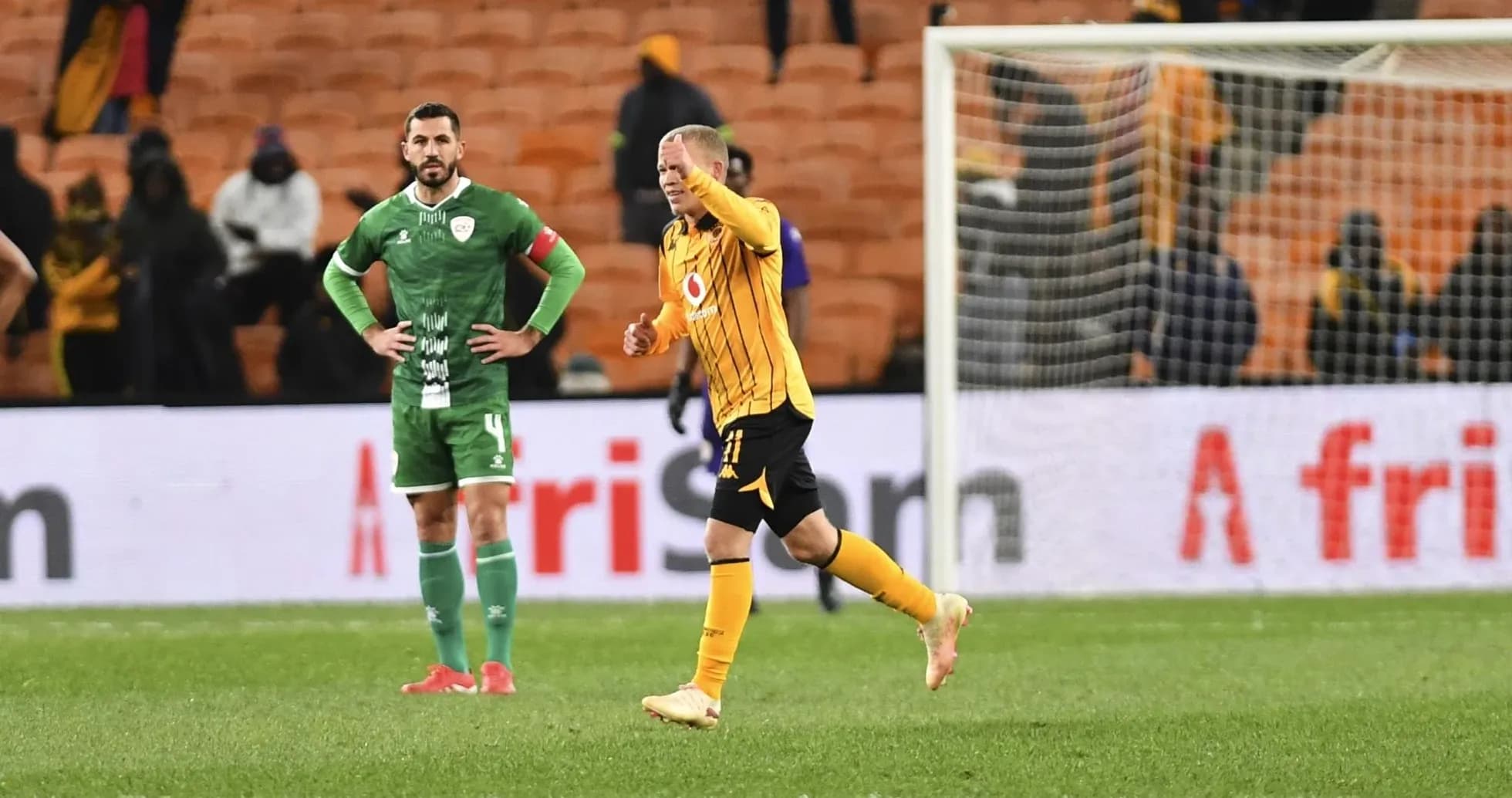
With space now appearing, Chiefs found their fluency. Luke Baartman and Mduduzi Shabalala both took advantage, finding the net and tilting the contest decisively in favour of the Glamour Boys. What had been a tight, tactical battle morphed into a comfortable home victory.
Sekhukhune’s earlier control evaporated, replaced by survival mode.
Injuries, improvisation and lessons
As if fatigue wasn’t enough, Kaze had another problem to juggle: injuries in key defensive areas.
“Unfortunately, we also suffered an injury to Vuyo [Letlapa], forcing us to improvise because our regular left-back is already out injured," he said. "As a result, our block in the second half was not as compact as we would have wanted.”
The disruption down the left only widened the cracks. Chiefs, with their tails up and the crowd roaring, needed no second invitation.
Yet Kaze wasn’t hiding from the broader picture. He was clear that Sekhukhune’s passivity after the break, not just the injury or the schedule, opened the door for his former employers. Chiefs recognised the momentum swing and punished it – exactly what top-flight sides in the Betway Premiership are supposed to do.
Still, the first half offered something for Sekhukhune to cling to. For 45 minutes, they had smothered a high-quality attack, away from home, against a coach who knew them inside out. That kind of structure can be a foundation, if they can find the legs to sustain it.
As the season gathers pace, that becomes the real question for Babina Noko: can they match their tactical discipline with the physical durability needed to turn brave blueprints into points on the board?