.svg&w=384&q=75 "Naijagoal logo")

Ronaldo and Portugal's World Cup Challenge Amid Grief
Lionel Messi lit the touchpaper. A hat-trick, records equaled, a stadium in rapture. Kylian Mbappé and Erling Haaland chimed in with braces of their own, the sport’s brightest lights turning North America into their personal stage.
Now it’s Cristiano Ronaldo’s turn to walk into the glare.
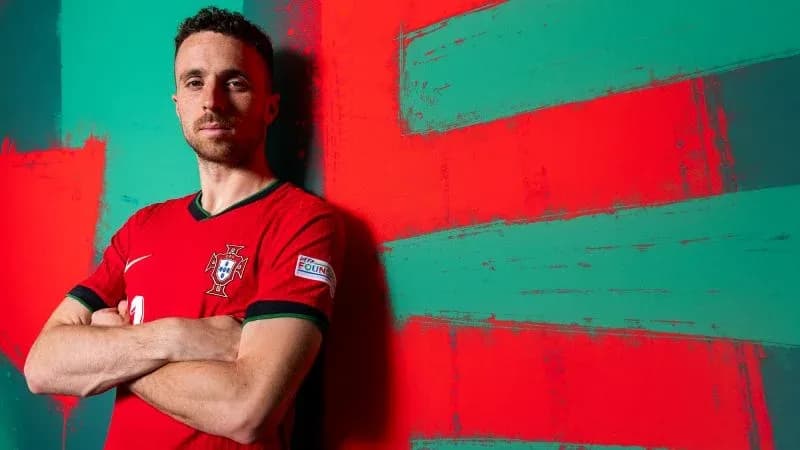
Portugal opens its World Cup campaign against DR Congo in Houston on Wednesday, and the game will carry far more than the usual first-match nerves. It is the team’s first World Cup outing since the death of Diogo Jota, the Liverpool and Portugal forward whose absence hangs over this squad like a shadow.
Jota died last year in a car crash alongside his brother André Silva, just days after marrying his long-term partner, Rute Cardoso. He leaves behind three children and a dressing room still trying to process the loss.
At Liverpool, players have admitted the season has felt like a struggle, the routine of training and matches constantly colliding with the reality of grief. For Portugal, that burden now travels with them into a World Cup they always believed Jota would grace.
Roberto Martínez named Jota an honorary member of this year’s squad. Portugal’s Prime Minister, Luís Montenegro, went further, gifting each player a bracelet with their own name engraved next to Jota’s. The squad will wear them in the opener at Houston’s NRG Stadium.
“They made sure that it was a wristband that we could wear on the pitch,” midfielder Vitinha explained to reporters. “He let us choose if we wanted to use it or not, during the day or during the match. We received it with a lot of affection and we chose to use it.”
The gesture is simple. The meaning is not. Every player knows Jota had long dreamed of walking out at a World Cup. Now they carry that dream for him.
“We feel this and we want to win it, not just because it’s a World Cup and it’s everybody’s dream, but for him as well,” Vitinha told CNN Sports earlier this year.
Kickoff is at 1 p.m. ET. The emotion will arrive long before that.
Ronaldo in the Spotlight, Again
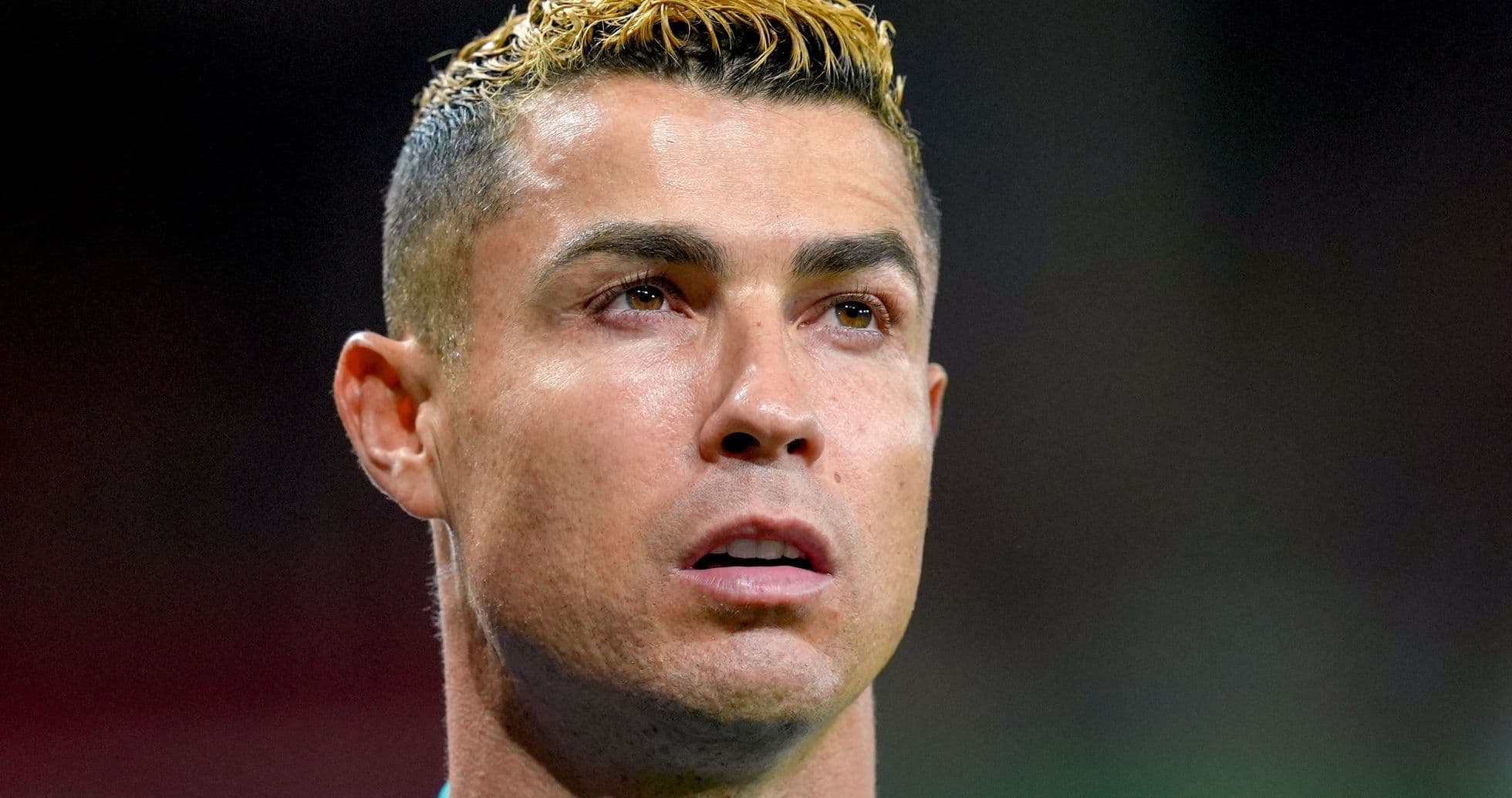
Once the tributes are done, attention will swing to the man who has defined Portugal’s modern era.
Ronaldo is no longer the force of nature he once was, but he remains unavoidable. A five-time Ballon d’Or winner, a global brand, a relentless competitor who still believes the next goal is just one run away.
He struggled in Qatar 2022 and lost his starting place. That decision split opinion then and still does now. Dropping him again, in a tournament opener, after Messi’s reminder of what enduring class looks like? That would require a coach with an iron stomach.
Martínez has built a side rich in midfield artistry. Bruno Fernandes, Vitinha, Bernardo Silva and João Neves form what might be the most complete midfield unit at this World Cup: press-resistant, inventive, technically immaculate. The question is whether Ronaldo amplifies that structure or disrupts it.
Portugal will not get long to ponder. DR Congo, underdogs on paper, are no ceremonial opponent. Yoane Wissa is a livewire forward with a sharp instinct in the box, and the rest of the side is drilled to stay compact, deny space and pounce on errors. Portugal’s night could become awkward in a hurry if the European side wobbles under the emotional weight of the occasion.
England and Croatia: Familiar Pain, Fresh Stakes
If Portugal’s story is about grief and legacy, England’s is about history and scars.
At 4 p.m. ET in Arlington’s AT&T Stadium, England meets Croatia, a fixture that has come to embody the national team’s modern torment. Croatia knocked England out of the 2018 World Cup semifinals, another chapter in a book already thick with near-misses and penalty shootout collapses.
Sixty years have passed since England last lifted the World Cup. The country remains obsessed, the expectation unrelenting, the soundtrack still dominated by “Three Lions” and its tales of “hurt” and “throwing it away.”
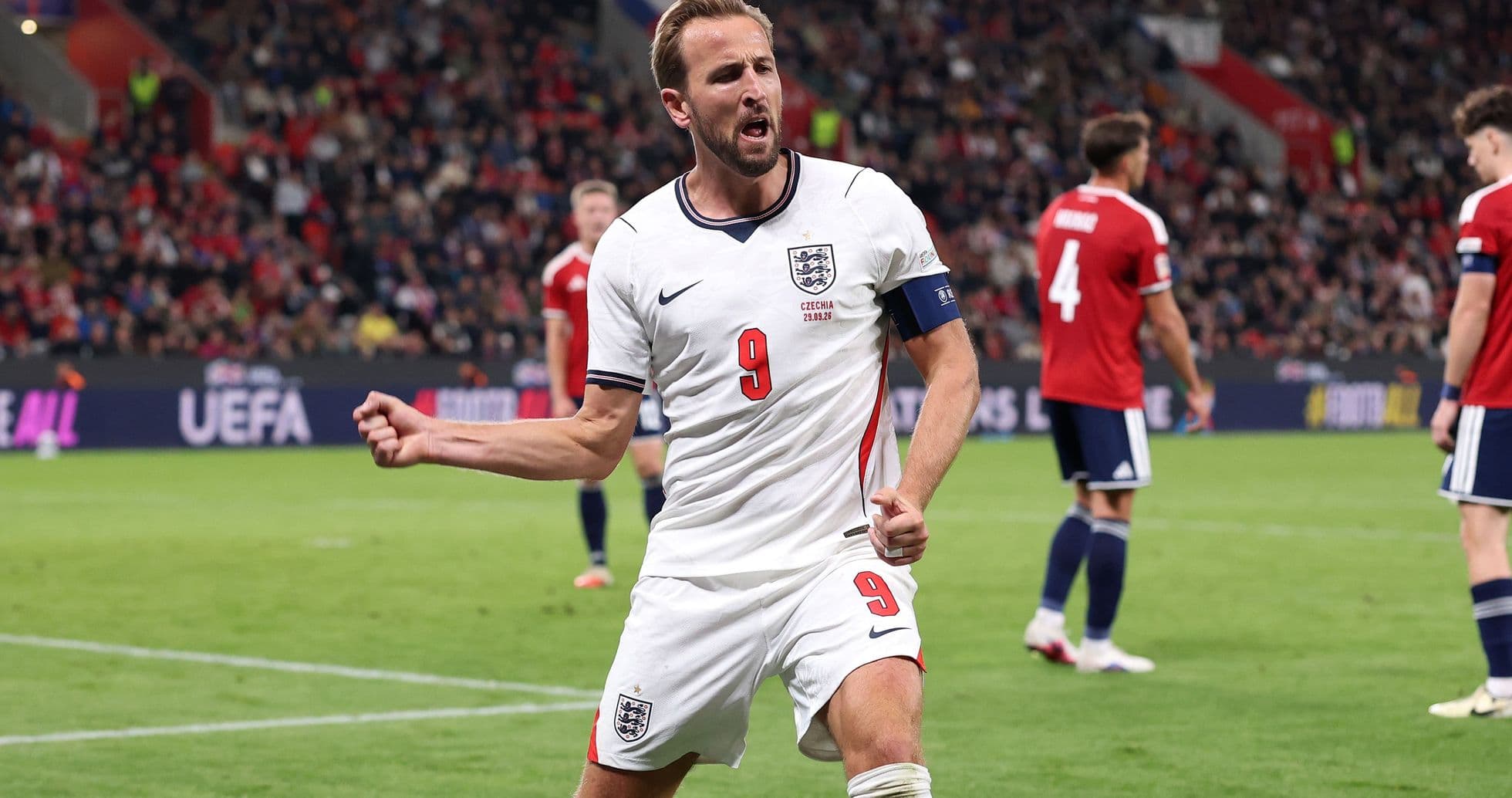
Thomas Tuchel, now in charge, has tried to cut through the noise. He has chosen unity over celebrity, leaving out big names like Cole Palmer and Phil Foden to preserve the balance he wants. It is a ruthless call, but the spine he does have is formidable: Declan Rice anchoring midfield, Jude Bellingham driving from deep, Harry Kane leading the line.
Across from them stands a familiar conductor. Luka Modrić, 40 and still dictating tempo, remains Croatia’s heartbeat. The Vatreni have made a habit of outlasting supposedly stronger sides, leaning on craft, resilience and a refusal to be intimidated by reputations. England knows this all too well.
The emotional stakes are not confined to the pitch. For English fans of a certain age, the failures roll through the mind like a grim highlights reel: Diego Maradona’s “Hand of God” in 1986, penalty heartbreak in 1990, David Beckham’s red card in 1998, Ronaldinho’s looping free kick in 2002, more shootout misery in 2006, Frank Lampard’s ghost goal in 2010, the group-stage exit in 2014.
Gareth Southgate’s tenure brought some healing: a World Cup semifinal in 2018, a European Championship final in 2021, a quarterfinal in 2022. But the ultimate prize remains out of reach.
Legendary striker Gary Lineker put it bluntly in an interview with CNN Sports: he is “desperately keen” to see England win a World Cup before he dies. He is far from alone.
Ghana’s Chance, Panama’s Hope
The evening moves north to Toronto at 7 p.m. ET, where Ghana faces Panama at BMO Field.
Panama is back at a men’s World Cup for the second time after a bruising debut in 2018, when it lost all three group games and conceded six against England. This time, the goal is modest but meaningful: a first-ever World Cup point. The opener against Ghana feels like the best shot.
For years, Ghana looked like Africa’s best bet to break the continent’s World Cup ceiling. The Black Stars’ controversial exit in the 2010 quarterfinals still stings, and the trajectory since has been downward. They have not escaped the group stage at a World Cup since then.
This version of Ghana does not boast the same array of attacking stars, but it does have a focal point. Antoine Semenyo, now thriving at Manchester City, arrives in form and with the confidence of a striker who believes he can tilt tight games.
Ghana will have to cope without Thomas Partey in Toronto. The 33-year-old midfielder had his Canadian visa application rejected, a decision upheld by a federal judge earlier this week, according to the Associated Press. Partey is awaiting trial on rape charges in the United Kingdom but is expected to be available for Ghana’s remaining two group games in the United States.
Uzbekistan’s Debut, Colombia’s Old Masters
The late game, at 10 p.m. ET in Mexico City’s Estadio Azteca, offers a different kind of intrigue.
Uzbekistan, the last of this tournament’s debutants to take the field, arrives with little fanfare but real ambition. The team is led by Fabio Cannavaro, the Italian defender who lifted the World Cup in 2006 and now tries to translate that experience into a touchline blueprint.
His standout player is Abdukodir Khusanov, a 22-year-old defender who has forced his way into the starting XI at Manchester City. Comfortable in possession and strong in duels, he gives Uzbekistan a modern anchor at the back.
Colombia, though, will test every seam. This is a squad rich in World Cup know-how. James Rodríguez, who exploded onto the global stage in 2014, remains the creative hub, threading passes from midfield and drifting into pockets of space. On the flank, Luis Díaz arrives as one of the form players on the planet, a winger who can turn a game with a single surge.
Uzbekistan wants to become the only one of the four new teams at this World Cup to win its opening match. To do it against a battle-hardened Colombia would send a jolt through the tournament.
Iran Clears a Hurdle
Away from the marquee fixtures, Iran has finally caught a break.
No team has faced more logistical obstacles this summer. Because of political tensions, the national side has been forced to base itself in Mexico and travel into the United States for games. After Iran’s first match, winger Mehdi Torabi discovered his visa had expired, throwing his participation in doubt.
That issue is now resolved. The US State Department has granted Torabi a new multi-entry visa, allowing him to play in every game Iran might reach at this World Cup.
“This issue has been resolved,” a State Department official told CNN’s Jennifer Hansler. “As soon as we became aware of the issue, we worked to ensure that the player can participate in every game.”
For Iran, already juggling complex travel arrangements, it is one less problem in a tournament full of them.
DR Congo’s Other Battle
DR Congo’s players will walk out to face Portugal with more on their minds than Ronaldo and his supporting cast.
Back home, the country is wrestling with what health officials fear could become its worst-ever Ebola outbreak. More than 800 cases have been confirmed in the Democratic Republic of Congo, in a region that is remote, densely populated and scarred by insecurity and humanitarian crises.
The strain driving this outbreak, the Bundibugyo variant, has no specific treatments or vaccines. That reality has prompted a sharp response. US authorities have introduced entry restrictions and health screening for passengers arriving from DRC, Uganda and South Sudan. The World Health Organization says the risk in DRC is very high, though the global risk remains low. No cases have been identified in the United States.
For now, US health officials are watching a range of viruses during the World Cup. Ebola, paradoxically, is not at the top of their list. Early in infection, it does not spread easily. Once a person becomes very sick and highly infectious, they are unlikely to be traveling or sitting in a stadium.
The numbers and science matter. So does the human side. DR Congo’s squad knows it steps onto the world stage while its country fights a deadly virus at home.
On a day when Messi has reminded everyone what greatness looks like, when Ronaldo prepares to chase one more moment, when England and Croatia rekindle an old argument, the World Cup once again shows its full range: joy, grief, hope, fear, and the constant question of who will carry all of that and still find a way to win.