.svg&w=384&q=75 "Naijagoal logo")

Real Madrid's Transfer Dilemma: Rodri Chooses Barcelona
Two months ago, Florentino Perez stepped in front of the cameras and lit the fuse. Real Madrid, he promised, were readying a colossal bid for a superstar “of the calibre of Cristiano Ronaldo or Kaka”. It was a line designed to dominate headlines and unsettle rivals. It did both.
The money — “at least €150 million” — was real enough. The outcome has been very different.
Michael Olise never came from Bayern Munich. The heavily trailed, officially confirmed €150m offer for Atletico Madrid’s Julian Alvarez went nowhere. Instead, that war chest has been poured into Yan Diomande from RB Leipzig, a €125m forward thrust into an already glittering front line.
The pattern is impossible to miss. Olise. Alvarez. Diomande. All forwards. All fireworks. And all of them signed or pursued while the one area Real Madrid have been crying out to fix since the break-up of the Toni Kroos–Luka Modric–Casemiro axis remains glaringly bare: a world-class holding midfielder.
They still have time to address it before the window shuts. But every new attacking signing only sharpens the question: where, exactly, are Real Madrid’s priorities?
Rodri says no – and points to Barcelona
For a while, the answer looked obvious. Rodri.
The Madrid-born midfielder had opened the door himself in spring. His past at Atletico Madrid, he made clear, did not rule out a move across the city. Others had crossed that divide. He could too. For a club searching for a new on‑field metronome, it sounded like destiny.
Now it looks like a cruel tease.
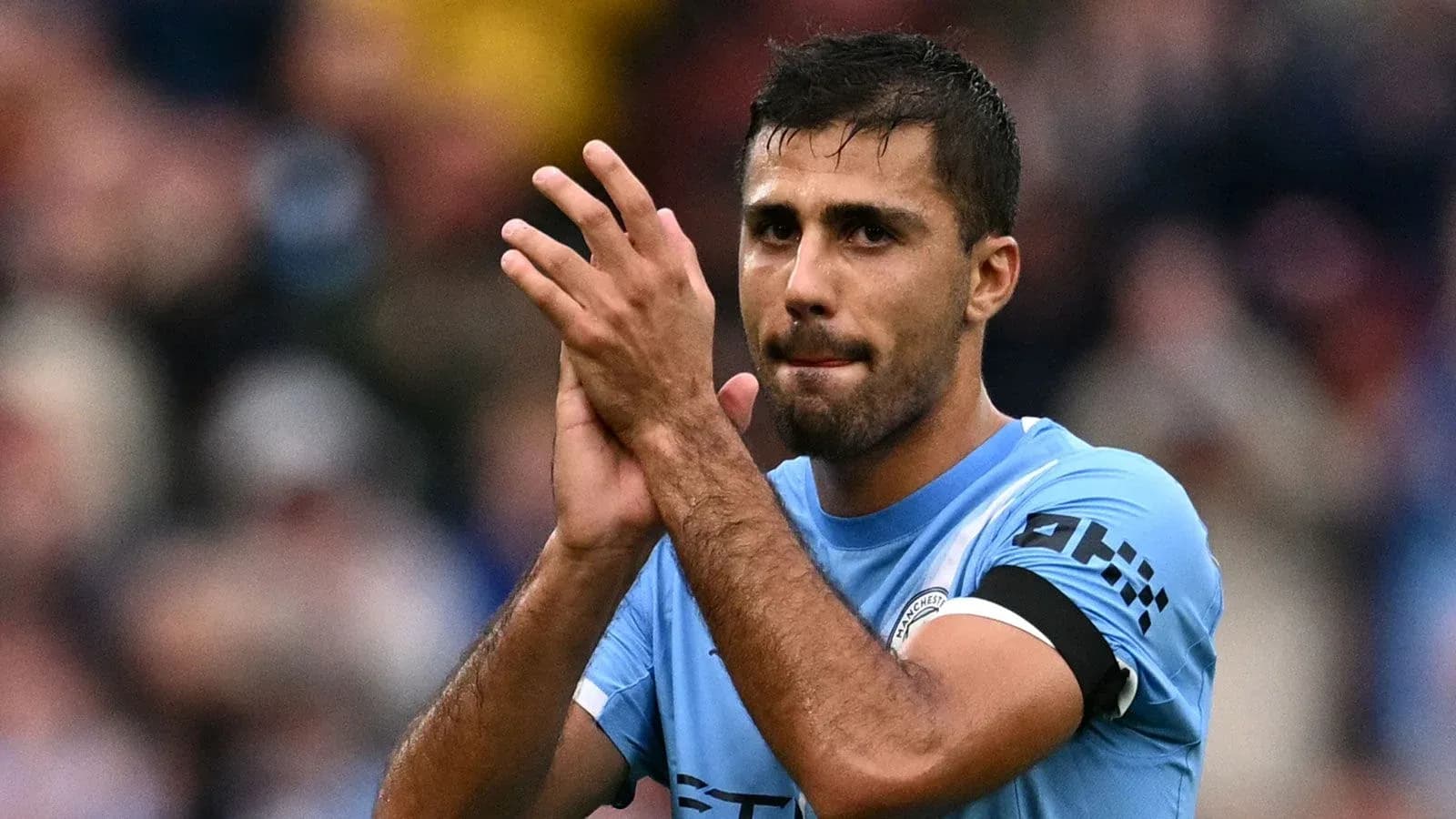
Rodri has rejected Real Madrid’s proposal. His agent, Pablo Barquero, has confirmed as much. All signs now point to the Manchester City midfielder, the outstanding player at the last World Cup, trading the Premier League for Barcelona.
For Real, it is a brutal blow. Internally, there was a firm belief that Rodri would be the cornerstone of Jose Mourinho’s new era, the signing to erase the memory of last season’s trophyless campaign. Instead, he is heading to the Camp Nou, into the arms of their fiercest rivals.
The rejection cuts deep. The destination twists the knife.
Barca land the anchor Madrid have been chasing
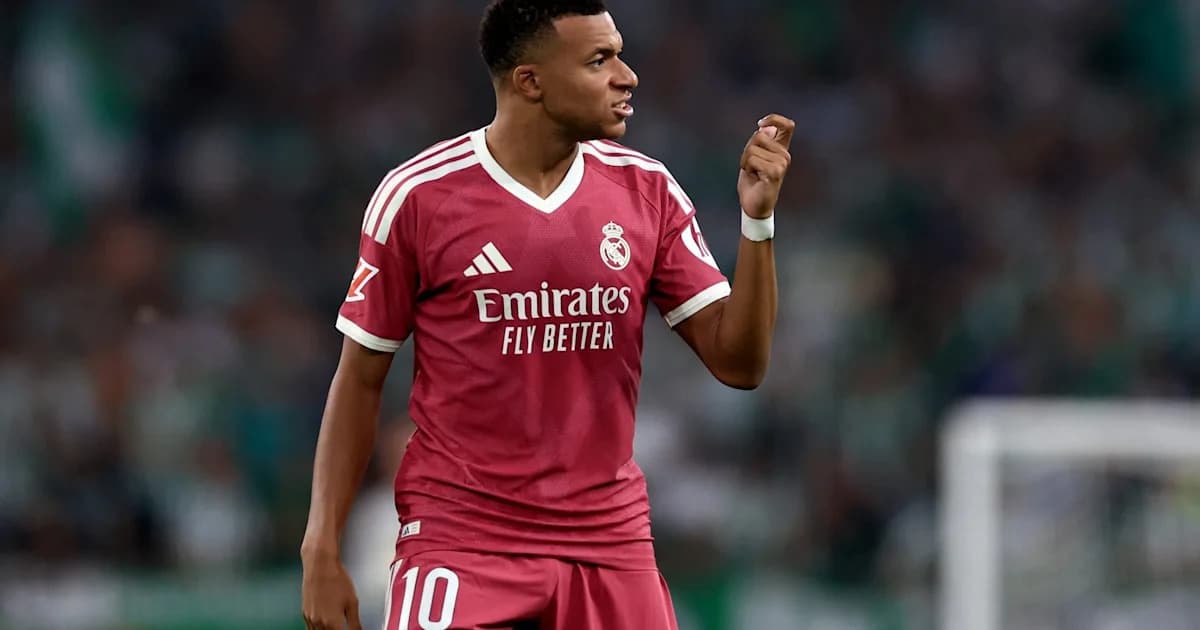
Real Madrid are left staring at a familiar problem. Behind the glitzy attacking trident of Kylian Mbappe, Vinicius Junior and now Diomande, there is still no true organiser, no natural pivot to bind the team together.
Once again, as things stand, the responsibility falls on Aurelien Tchouameni and Fede Valverde. Both are elite players. Both have been asked to play the holding role. And both have already shown that orchestrating from deep, in the way Casemiro once did and Rodri does now, is not their game.
Barcelona, by contrast, look poised to pull off a genuine coup. Hansi Flick’s side, who have humiliated Real twice in succession in La Liga, finally appear to have found the top-level replacement they have long needed for the perennially injured Frenkie de Jong.
Rodri will walk into a dressing room full of familiar faces, many of them the same Spanish core with whom he became world champion. He is not just joining a club. He is rejoining a winning environment.
The symbolism is hard to ignore. At the very moment Real Madrid’s midfield vacuum threatens to define them, Barcelona are about to install the best holding midfielder in the world at the heart of their project.
Another flashpoint in an endless feud
This is not just a transfer tug-of-war. It is another chapter in a rivalry that has rarely felt so poisonous.
The echoes of the early 2000s are unmistakable, when Luis Figo’s move from Barcelona to Madrid detonated like a bomb in Spanish football. The stage is different now, the direction reversed, but the emotional charge is similar: betrayal, resentment, triumphalism, paranoia.
Hovering over everything is the Negreira scandal. Since it broke in early 2023, confidence in Spanish refereeing has been shaken, and Real Madrid have gone as far as joining the criminal proceedings against Barcelona as a private prosecutor. Every contentious whistle in a Clasico is now filtered through that case, every VAR check dissected as potential evidence.
The mud-slinging has been relentless. After Real’s legal move, Barca president Joan Laporta fired back, branding Madrid the “club of the regime”, historically favoured by referees and still enjoying that status. The fallout shredded what remained of institutional cordiality.
Perez and Laporta had once worked hand in hand on the doomed Super League project. That alliance is now rubble. The traditional presidents’ lunch before Clasicos has disappeared. Real have repeatedly refused to offer Barcelona the customary VIP box honours. The frost is visible on every public interaction.
Into that atmosphere dropped the Julian Alvarez saga. After Perez’s grand promise of a record transfer, Real Madrid went public with a statement confirming a €150m bid for the Atletico striker — and Atletico’s refusal. Barcelona, who had been seriously tracking Alvarez, were left looking flat-footed. The suspicion in Spain was clear: Real had made the offer public to inflate the price and complicate Barca’s pursuit. Alvarez remains at Atletico, the tension between the two giants even higher.
Then came the 2024 Ballon d’Or storm. Real Madrid boycotted the gala in protest at Rodri being crowned ahead of Vinicius Junior. The decision framed Rodri as a kind of symbol of perceived injustice in Madrid’s eyes.
Now that same Rodri is on his way to Barcelona.
A rejection that stings far beyond the pitch
For Real Madrid, this is not just losing out on a transfer target. It is watching a long-term solution to their most pressing tactical problem walk into the arms of a club they are already at war with in the courts, in the media and in the stands.
It lands like a slap in the face.
Perez promised another galáctico. He has delivered Diomande, a thrilling attacker who will only increase the spectacle at the Bernabeu. But the structural flaw remains. The spine is still incomplete. And the player best suited to fixing it has chosen the other side of the divide.
The rivalry has rarely felt more toxic, the margins rarely finer. Rodri’s decision adds yet another fault line to a relationship already cracking under the weight of scandal, politics and history.
There will be another chapter. There always is. The question now is whether Real Madrid answer this insult with clarity in the transfer market and authority on the pitch, or whether Rodri’s rejection becomes the moment that tilts the balance of power towards Catalonia for good.