.svg&w=384&q=75 "Naijagoal logo")

Real Madrid Targets Rodri to Strengthen Midfield Control
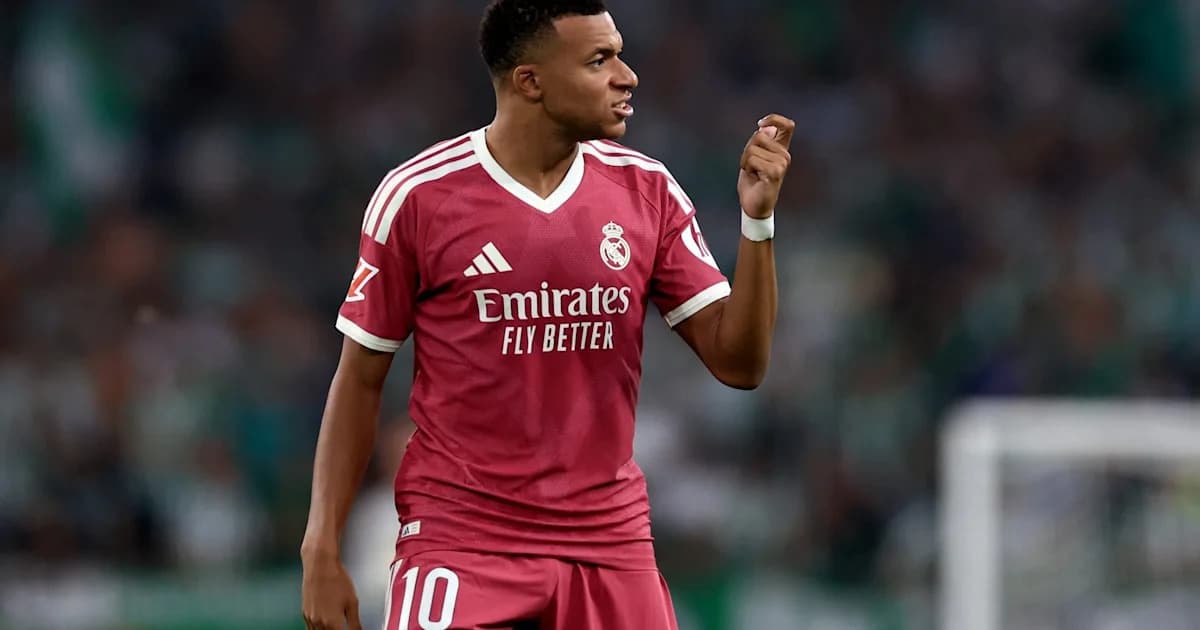
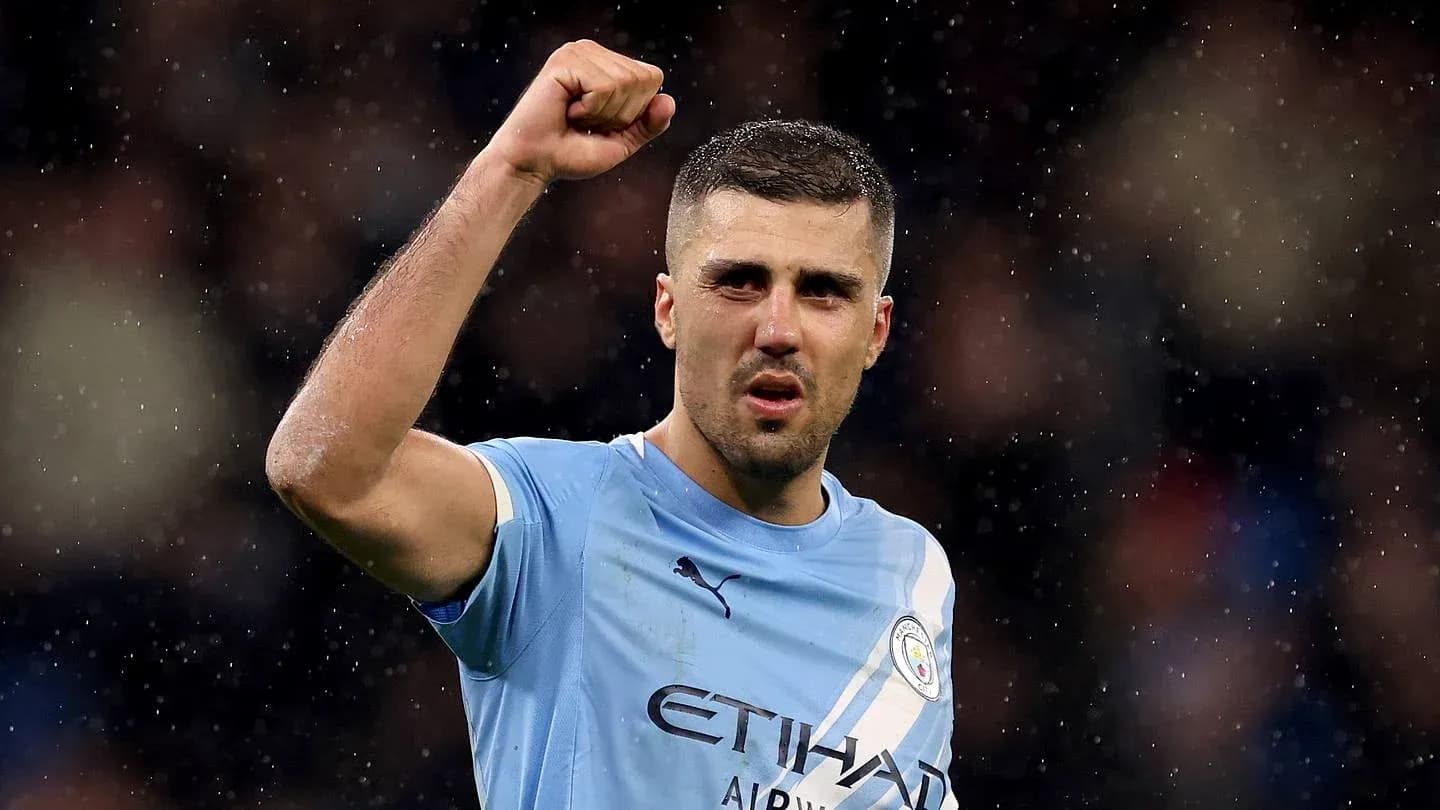
Real Madrid have moved from admiration to action over Rodri. Club-to-club talks with Manchester City are underway, with the Spanish midfielder now the priority target to anchor José Mourinho’s new-look side.
The approach, reported by Fabrizio Romano as “verbal discussions,” marks a sharp turn from Florentino Pérez’s stance earlier in the summer. Then, the president was portrayed as reluctant to move for the 30-year-old. Now, he has given the green light and is prepared to commit more than €50 million ($57 million) to bring the Spain captain home.
This is not a vanity signing. It is an attempt to solve a structural problem.
Mourinho’s Madrid Find Their Missing Piece
Mourinho walked back into the Bernabéu with a mandate: end the drift. Re-elected in June, Pérez responded to a period of stagnation by turning to a manager who thrives on clear hierarchies and defined roles. The transfer business so far reflects that edge.
Marc Cucurella, Bernardo Silva, Ibrahima Konaté and Denzel Dumfries have already arrived. RB Leipzig prodigy Yan Diomande is set to follow for a fee north of $100 million, a statement that the next Madrid will be physically imposing and technically sharp.
Yet amid all that movement, one gap remained obvious. Since Toni Kroos’s 2024 exit, Madrid have lacked a true deep-lying controller, someone to dictate tempo, protect transitions and give structure to a team that often leaned on individual brilliance to survive chaotic games. Rodri is almost a textbook answer to that problem.
From Campaign Slogan to Presidential Pivot
For most of the summer, Rodri was a political symbol rather than a realistic signing.
Enrique Riquelme, Pérez’s rival in the presidential race, built a chunk of his campaign around the City midfielder. The renewable energy magnate went as far as promising to refund all membership fees if he failed to sign both Rodri and Erling Haaland. It was audacious, and it tied Rodri’s name directly to the challenger’s platform.
Pérez, 79 and famously wary of older, more defensive-minded profiles, appeared to recoil from that association. Reports suggested he was personally against a move, even though the player is Madrid-born, world-class in his position and perfectly suited to a clear tactical need.
Then came the World Cup.
Rodri captained Spain to glory in North America at the 2026 World Cup, breaking passing records and walking away with the Golden Ball. He dominated matches from deep, turning pressure into control, chaos into patterns. It was the kind of tournament that has historically seduced Madrid presidents.
The performance did not exist in a vacuum. The market for elite holding midfielders is thin, and alternatives who combine Rodri’s intelligence, stature and experience simply are not there. The pressure finally told. Pérez, once cool on the idea, is now open to the move, and Madrid have stepped into formal discussions.
The Price of a World-Class Controller
The key question is not whether Rodri improves Madrid. That is obvious. The question is whether €50 million is enough to convince City to sell.
On paper, Madrid hold strong cards. Rodri has only a year left on his contract. If he refuses the extension currently on the table, City face a stark choice: sell now or risk losing one of the best midfielders in the world for nothing.
Timing matters too. Pep Guardiola is leaving the Etihad this summer, closing an era that shaped both City and Rodri. A new coach, a new project, and a captain who might feel he has won everything he can in England—those are conditions that often precede a major move.
Rodri has never hidden his respect for Madrid. In 2024 he told Cadena SER: “When Real Madrid call you, the best club in history, the most successful, everything that means ... Obviously, it’s an honour and you always have to pay attention, of course.” That sentence will not have been forgotten in the Bernabéu offices.
Madrid’s opening figure of around €50 million is less than half of what they are paying for Diomande and below what City have already invested this summer in new midfield option Elliot Anderson. On performance level alone, that sounds low for a 2024 Ballon d’Or winner widely regarded as the premier holding midfielder in the game.
But this is not a standard case. Age, contract and fitness all drag the price down.
Rodri is now over 30 and will miss the start of next season after back surgery on a persistent issue. He still played every game of Spain’s World Cup triumph, yet he missed 24 matches for City in the 2025–26 campaign through various injuries. Any buying club must factor in that medical record. Any selling club must accept that it weakens their negotiating position.
City will not be able to demand an outrageous fee. They can, however, push Madrid to test just how badly Mourinho and Pérez want their man.
A Defining Call for Both Clubs
For Madrid, this move is about control—on the pitch and in the narrative. Sign Rodri, and Mourinho gains a midfield general around whom he can build his structure. Fail, and the club enter the season still searching for the Kroos successor they have lacked for two years.
For City, the decision cuts to the heart of their next cycle. Do they cash in on an ageing but still elite captain with one year left, trusting their recruitment and Anderson’s arrival to cover the loss? Or do they hold firm, risk losing him for free, and hand the new manager a leader who has defined their style?
Talks have started. The numbers are on the table. Now the two clubs must decide how much a world-class controller is worth at the very moment both projects are being rewritten.