.svg&w=384&q=75 "Naijagoal logo")

Real Madrid's €150m Promise: The Future with Rodri
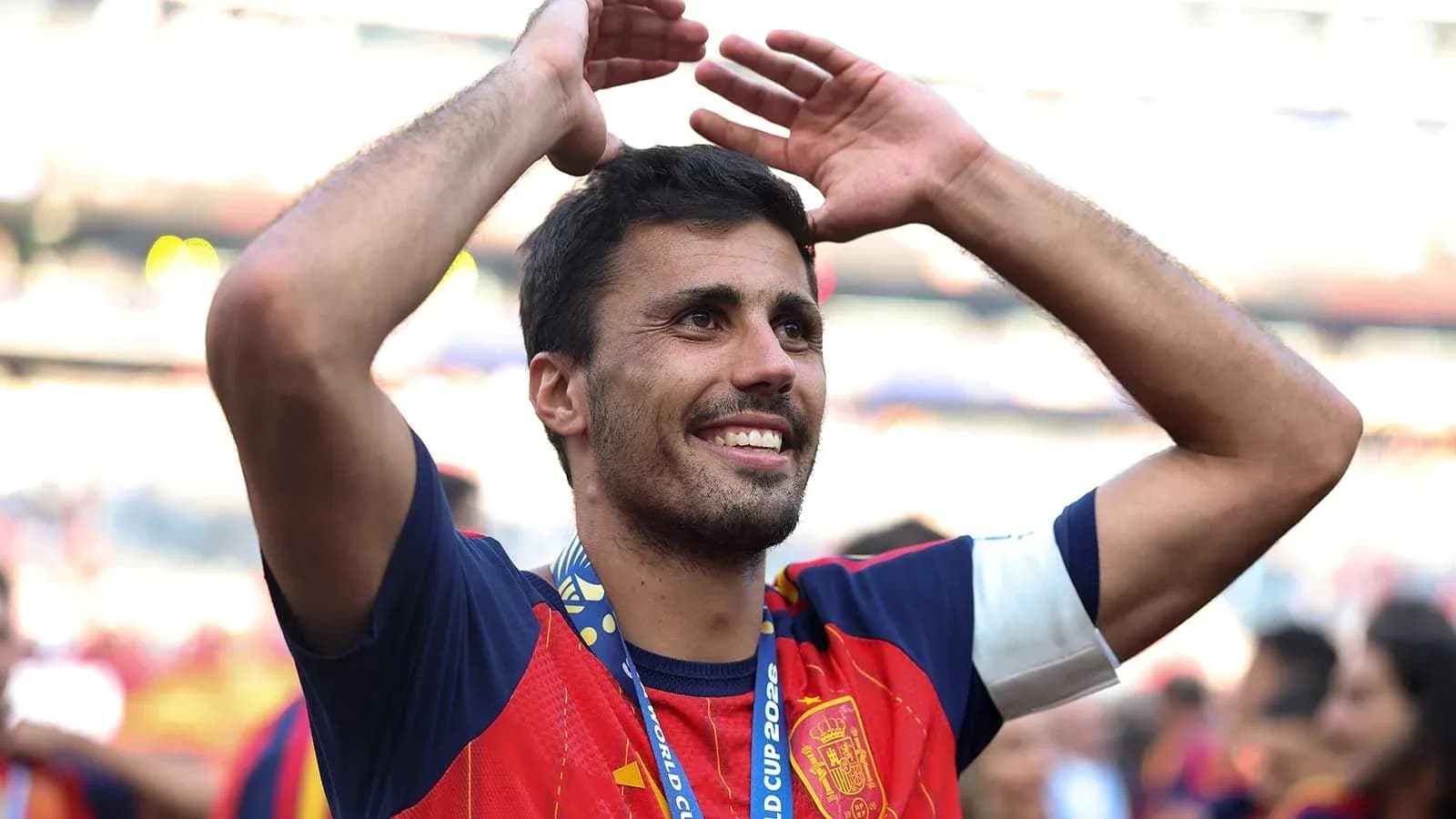
The “biggest club in the world” never tires of reminding everyone of its own mythology. Real Madrid sell an idea as much as a football team: the best players, the brightest lights, the grandest gestures. So when Rodri walked away from Spain’s World Cup triumph in North America with the player of the tournament award, it was almost inevitable that his name would be dragged into the Bernabéu orbit.
A midfielder who bends games to his will. A president who has publicly promised a mega signing. A club that has gone two seasons without a trophy. The ingredients are all there.
Whether it actually makes sense is another story.
Perez’s €150m Pledge and the Missing Galáctico
The Rodri noise in Madrid cannot be separated from one man: Florentino Perez. At the start of June, he was still fighting off challenger Enrique Riquelme in a presidential election that briefly threatened his long rule. He won comfortably in the end, but not before putting a marker down.
He told Real fans and socios he would deliver a blockbuster this summer. A €150 million offer. A player “of the calibre of Cristiano Ronaldo or Kaka,” as he put it.
The reality has been less galáctico, more functional.
The €150m figure, for a moment, was attached not to a global attacking icon but to Julian Alvarez. Real tested Atletico Madrid’s resolve with a huge proposal for the forward. Atletico did not blink. They simply rejected it, firmly and quickly. There is a sense in Madrid that the bid might have been more political theatre than serious negotiation.
From there, Real went busy rather than big. Jose Mourinho returned to the dugout, the man who once took on Pep Guardiola’s Barcelona and came away with trophies but also scars. Then came Marc Cucurella from Chelsea and Denzel Dumfries from Inter Milan, full-backs at a combined €75m. Ibrahima Konate arrived from Liverpool on a free, as did Bernardo Silva from Manchester City, the Portuguese playmaker now 31 and very much in the veteran bracket.
Useful signings. Sensible in some cases. But not the type of transfer that makes the Bernabéu buzz for a decade.
Rodri, though, would.
Rodri: The Conductor Real No Longer Own
Even with an anterior cruciate ligament rupture in 2024 on his medical record, Rodri’s level has not dipped in the way many feared. He reminded everyone at the World Cup in the USA, Canada and Mexico why he is widely regarded as the best holding midfielder in the game. He dictates tempo, kills counterattacks, and starts moves that look harmless and end in chaos for opponents.
Sky Sport reports that Manchester City have already put a new contract on the table, extending beyond his current 2027 deal. No agreement yet. Real, the same report claims, have countered with a contract to 2030 and are preparing an offer in the €50–60m range.
Other outlets paint a different picture. Spanish newspaper AS cites club sources who play down the idea that Real are seriously moving for Rodri, suggesting the rumours are fuelled by Spain’s World Cup success more than concrete intent.
Strip away the noise, though, and the football question remains stark: if Rodri walks into the Bernabéu, Real’s entire midfield identity changes overnight.
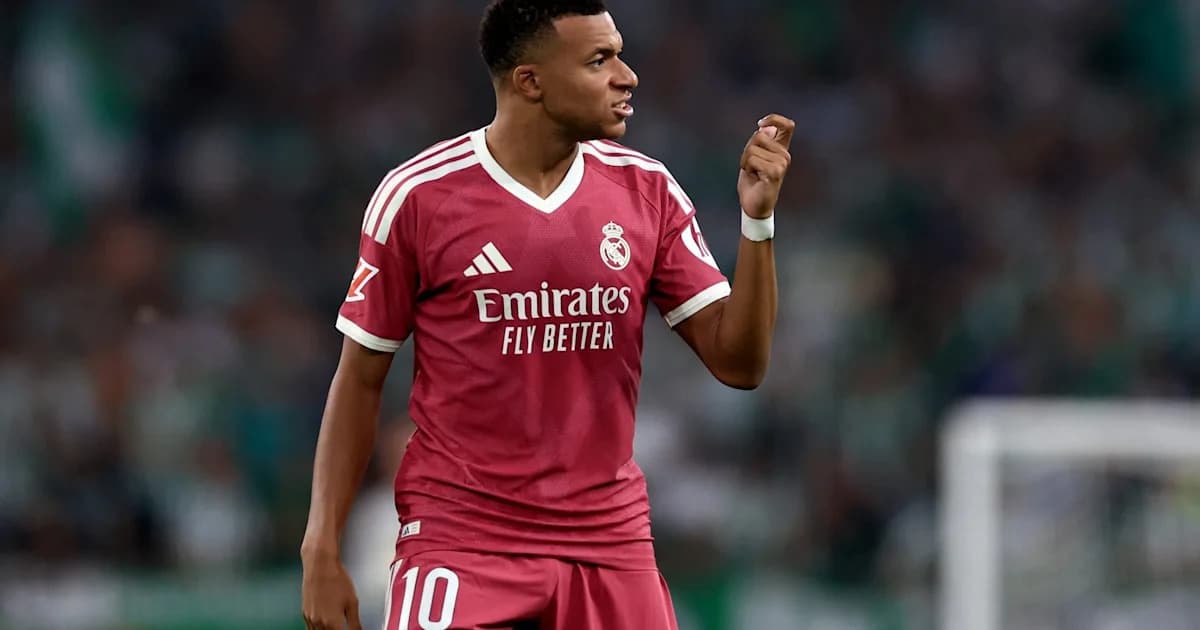
Since Toni Kroos and Luka Modric left, Real have lacked a true conductor. Mourinho, like Carlo Ancelotti before him in his final years, has leaned into a more pragmatic version of Real Madrid: a team happy to let the opposition have the ball, then rip them apart on the break through the raw speed and chaos of Vinicius Junior and Kylian Mbappe.
Rodri is the antithesis of that approach. With him, you don’t just have more possession, you build your whole game around it. He decides when to quicken the pulse, when to put his foot on the ball, when to suffocate a game and when to open it up. Every attack begins with him, every structure flows from him.
For Mourinho, it would mean a choice. Adapt his football to one of the most dominant controllers in world football, or ask Rodri to bend his game to a system that has thrived on transitions rather than long spells of controlled possession.
Age, Price and a Style Dilemma
There is another tension in this story: age and cost. The mooted fee has hovered around €100m for a 30-year-old midfielder. In isolation, that number looks extreme. In the current market, for a player of Rodri’s calibre and influence, it suddenly feels less outrageous.
This summer, he has looked like a player with several high-level years still in the tank. The World Cup confirmed that. His injury history, ACL rupture and now back surgery included, will be pored over by every medical department, yet on the pitch he continues to play with authority and composure.
He has not exactly hidden his openness to the idea of playing in white, either. “The fact I played for Atletico doesn’t stop me from playing for Real. There are other players who have taken that path,” he said in the spring, a line that lit the fuse under the first wave of speculation about a return to Madrid.
For a fanbase that has watched Kroos and Modric leave and seen no true heir arrive, that kind of statement lingers.
Surgery, PSG and City’s Softened Stance
Then came the twist. Last week, Manchester City announced that Rodri would undergo immediate back surgery and would be out for an indefinite period. Coach Enzo Maresca laid out the timeline: “He will have the operation on Monday. Then he needs a holiday, has to rest and recover. And then he will come back to us.” On Tuesday, City confirmed the procedure had gone well and wished him a speedy recovery.
Even that has not cooled the market.
RMC reports that Paris Saint-Germain have joined the race, undeterred by the surgery and already boasting a midfield of Vitinha, Fabian Ruiz and Joao Neves. Two consecutive Champions League titles have not dulled their appetite for more control, more depth, more star power.
Rodri, though, is said to prefer a return to Spain after seven years in England. That alone tilts the scales. For Real, persuading the player may be the easy part.
Inside City, the mood appears to be shifting. Initial briefings suggested they would refuse to engage in any talks, that the idea of losing their midfield anchor was unthinkable. Marca now reports a softer line: City, who “hold the player in the highest regard”, will accept his departure if that is what he decides.
That is not a green light. But it is no longer a red one.
Perez’s Promise and a Defining Decision
So the stage is set. A president who vowed to deliver a superstar. A club still waiting for its post-Kroos, post-Modric identity. A manager whose natural instincts clash with the idea of building a possession-heavy side around a deep-lying playmaker.
Rodri sits at the centre of all of it.
If Real Madrid move, they will not just be buying a midfielder. They will be choosing a direction for the next three or four years. They will be deciding whether this team belongs to the counterattacking fury of Vinicius and Mbappe, or to the calm, ruthless control of a Spaniard who already owns the rhythm of world football.
Florentino Perez has never been shy when it comes to keeping promises with a chequebook. The question now is simple: does his next grand gesture reshape Real Madrid’s football, or does he walk away from the one player who could?