.svg&w=384&q=75 "Naijagoal logo")

Real Madrid's Midfield Strategy: No New Signings for Mourinho
Real Madrid have drawn a firm line under their midfield business this summer. After failing to prise Rodri away, the European champions have decided there will be no new face at the heart of the pitch unless a major sale blows the plan apart.
The message from the board is blunt: this squad is enough.
Rodri chase ends, internal reshuffle begins
The pursuit of Rodri was the big midfield story of Madrid’s window. Once that collapsed, so did any appetite for a plan B. According to reports in Spain, the club will only re-enter the market if a heavyweight offer arrives for either Aurelien Tchouameni or Eduardo Camavinga.
And it would have to be heavyweight. Any bid would need to clear the €80 million mark before 15 August to even start a conversation. Short of that, the midfield is officially closed.
Inside Valdebebas, the mood is one of conviction rather than compromise. Senior figures are convinced the current group is deep and versatile enough to carry the season. The free transfer arrival of Silva from Man City and the eye-catching pre-season of Guler have tipped the scales. What began as a hunt for a specialist holding midfielder has turned into a tactical rethink.
No destroyer, no problem? Mourinho’s 4-2-3-1 gets a twist
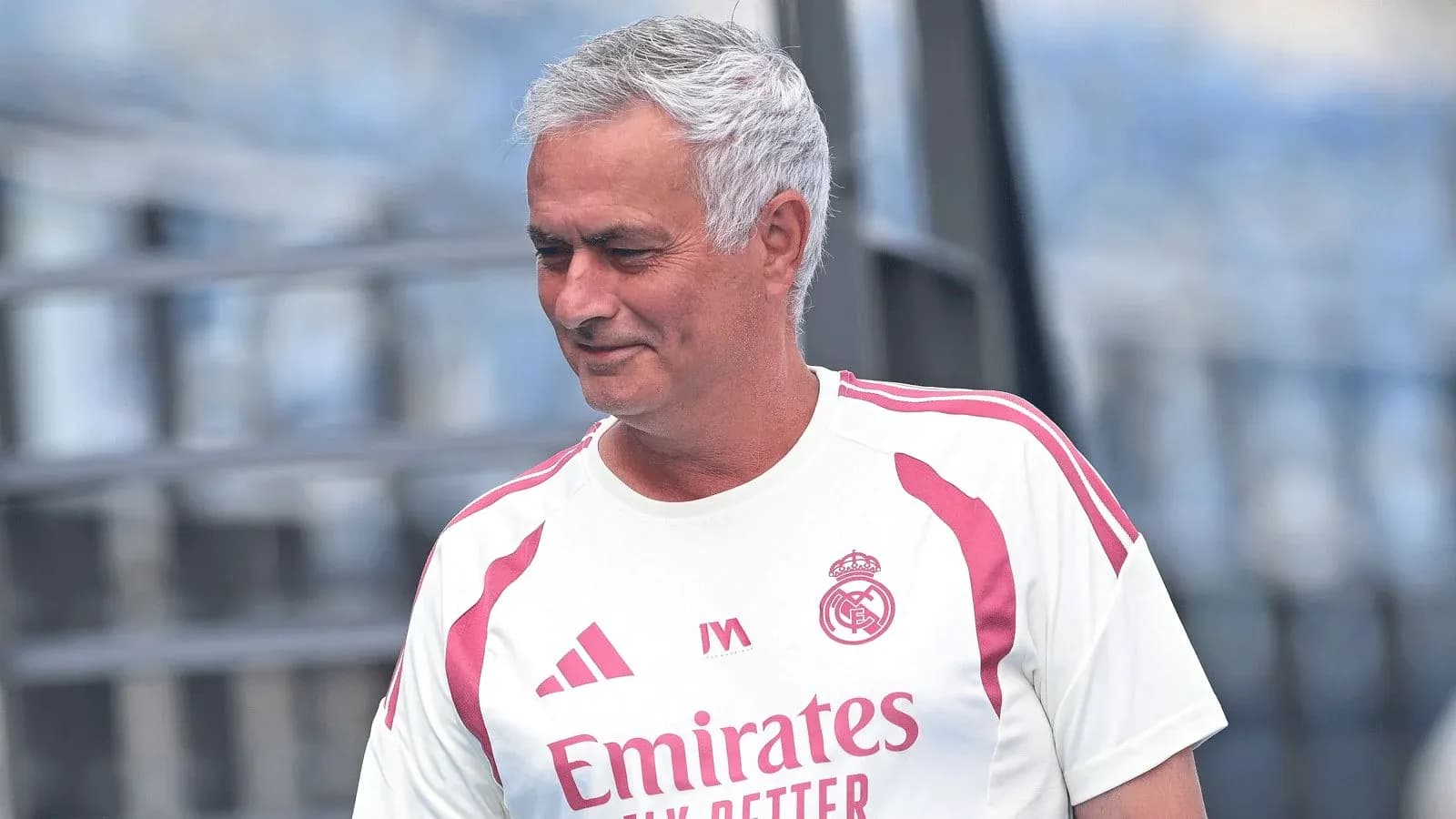
The decision not to sign a traditional defensive midfielder hits directly at Jose Mourinho’s preferred structure. His 4-2-3-1 usually leans on a clear anchor in front of the back four. Without Rodri or an equivalent profile, the Portuguese coach has been pushed toward adaptation rather than reinforcement.
The adjustment starts with Silva.
At 31, the former City man is being lined up for a deeper playmaking role in the double pivot, operating alongside Tchouameni. The idea is clear: Tchouameni handles the bulk of the defensive traffic, while Silva drops closer to the build-up, dictating rhythm and threading the first vertical passes.
That shift has immediate consequences higher up the pitch. Fede Valverde, long Mourinho’s ideal modern midfielder, now faces a positional squeeze. With Yan Diomande arriving for €125 million and Silva earmarked for the pivot, Valverde is expected either to slide out to the right flank or lose his starting spot altogether. For a player who has been a heartbeat of Madrid’s intensity, that’s a significant fault line in the dressing room dynamics.
Guler handed the keys between the lines
If Silva is the new metronome from deep, Guler is being handed the paintbrush in the final third.
Mourinho sees the 21-year-old Turkish playmaker as his primary creator in the No. 10 role, tasked with delivering the final pass and linking the lines. The comparison inside the club is obvious and deliberate: a role similar to the one Mesut Ozil occupied during Mourinho’s previous spell in the capital.
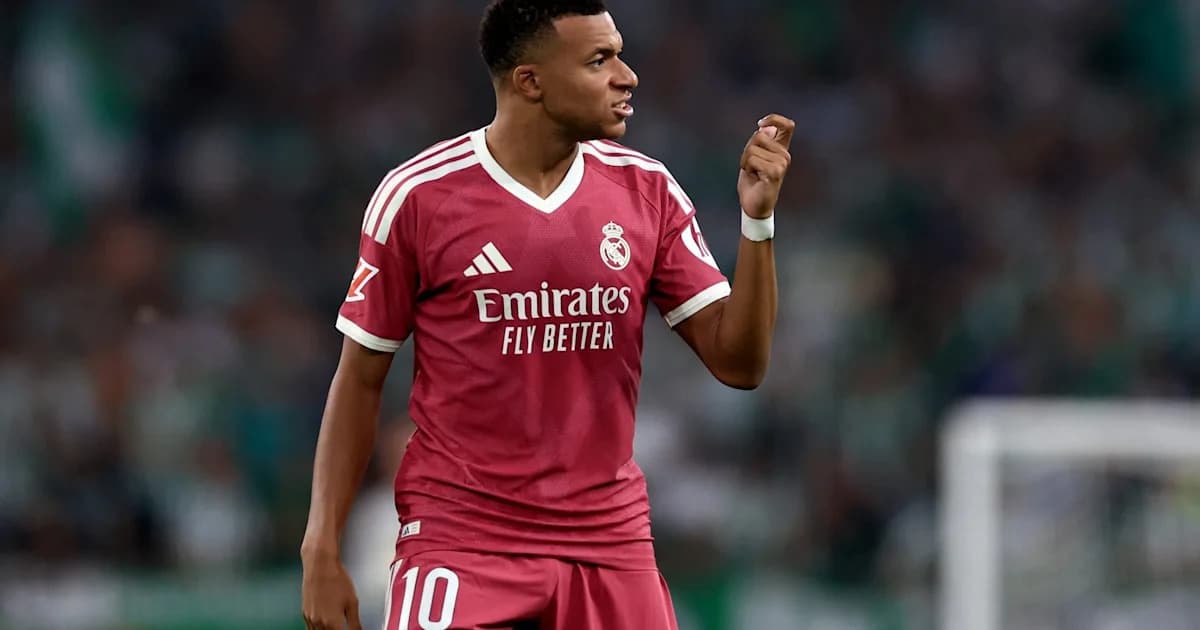
Guler’s pre-season has accelerated that vision. His vision, weight of pass, and ability to operate in tight pockets have convinced both the bench and the board that he is ready for a prominent role now, not later. Mourinho’s plan is to fuse Guler’s imagination with Silva’s work rate and experience, creating a technical axis through the middle that constantly feeds Vinicius Junior, Jude Bellingham, and Kylian Mbappe.
On paper, it is a frightening proposition. Two high-calibre playmakers underneath a front line of that quality gives Madrid an attacking structure built to dominate the ball and dictate tempo, not just react.
Valdebebas becomes the laboratory
The theory now moves to the training pitch.
Mourinho is set to test this new blueprint immediately in sessions at Valdebebas, pairing Silva and Guler in central zones and loading them with responsibility for progression and chance creation. The staff will watch closely: how Silva copes with the defensive demands in a deeper role, how Guler handles the weight of being the main creative outlet, how Tchouameni balances covering space with offering passing options.
There is no safety net of a late midfield signing. No looming arrival to change the hierarchy. Only the possibility of a shock exit — Camavinga or Tchouameni leaving for a massive fee — could force a sudden rewrite of the plan before the 15 August cut-off.
Until then, Real Madrid are all-in on what they already have. The market is closed, the board is convinced, and the responsibility now sits squarely with Mourinho and his chosen core.
If this gamble on internal evolution pays off, it will look like vision. If it doesn’t, the question will be brutal and simple: did Madrid misjudge the one area they could least afford to get wrong?