.svg&w=384&q=75 "Naijagoal logo")

Premier League and Championship: Navigating the Unusual Three-Week Break
The domestic game has hit pause – and this time, it’s not the usual quick breather.
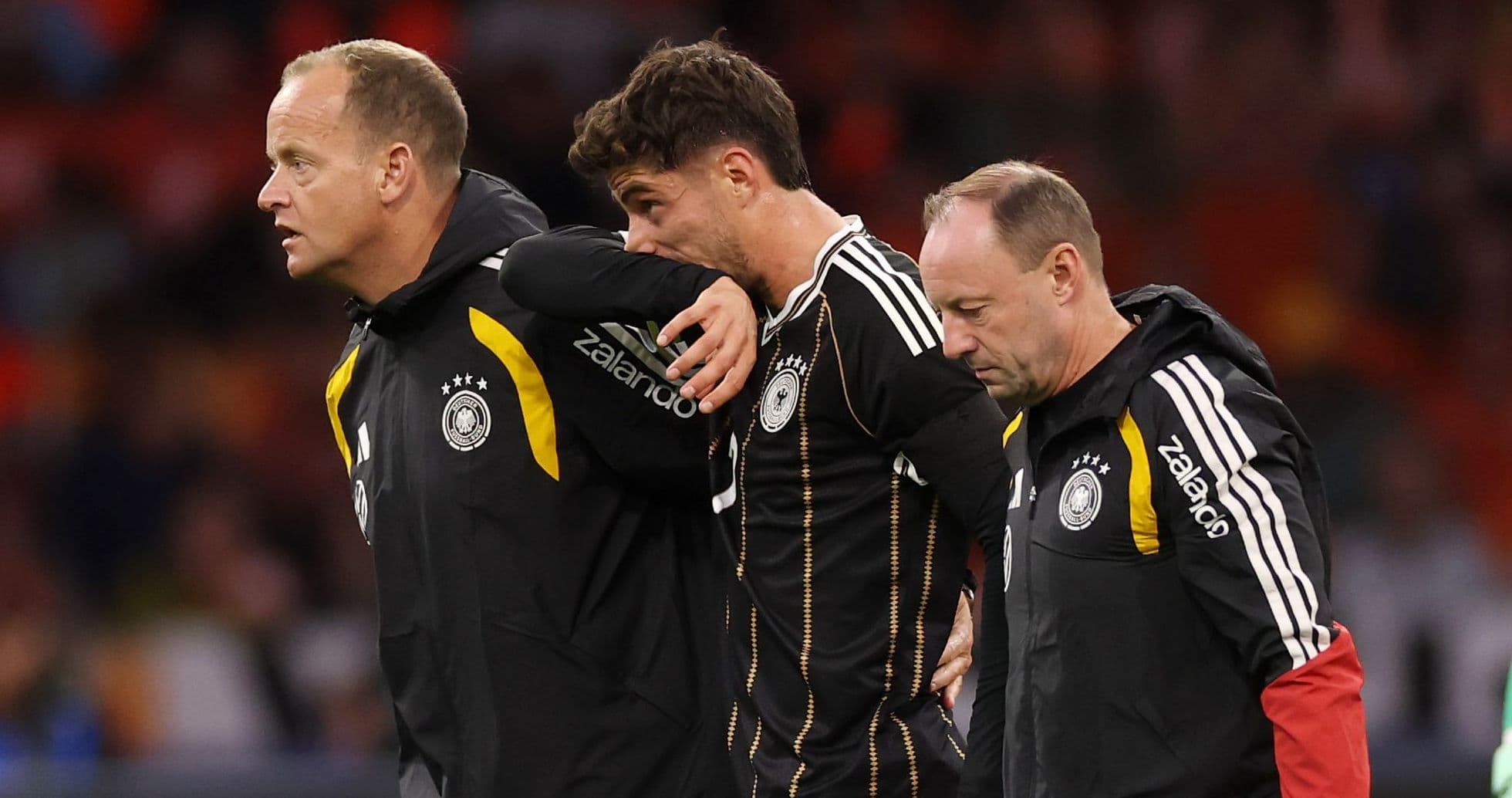
For the first time, the Premier League and Championship have shut down for three weeks, not two. Four international fixtures that used to be split across September and October are now crammed into one long window. On paper, club football actually wins a week back across the season. In reality, managers are staring at a 21-day gap and wondering how to keep finely tuned players sharp without burning them out.
Some see opportunity. Others see a headache. Nobody can ignore it.
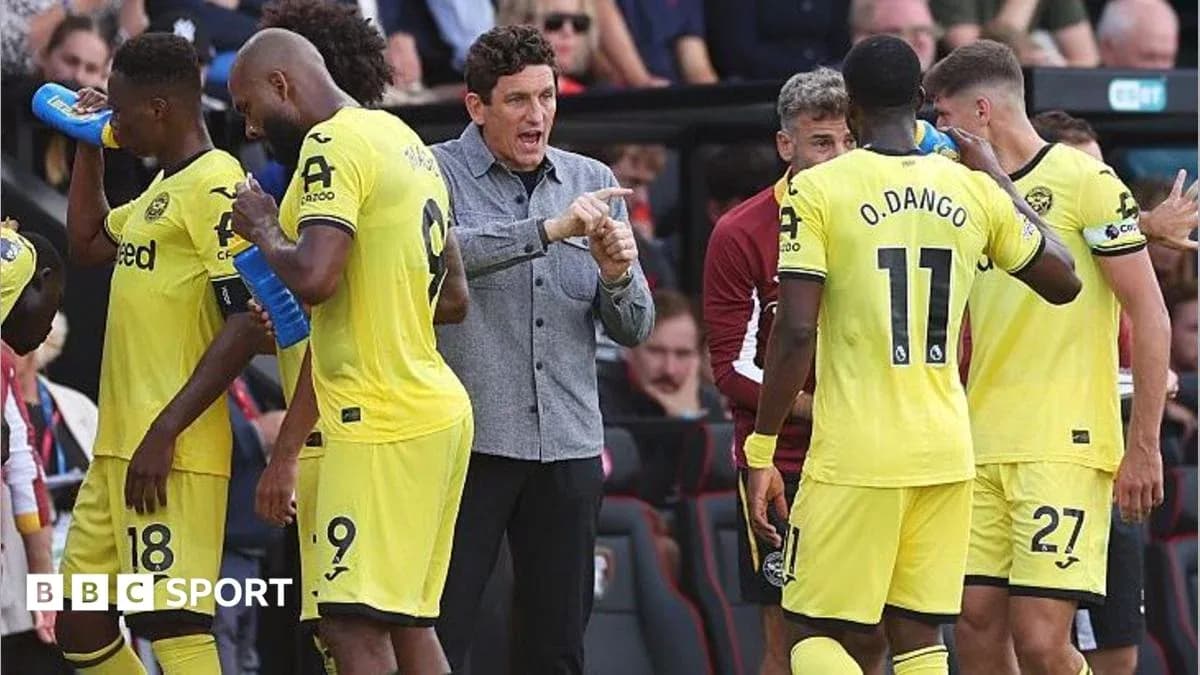
Brentford: a week off, then back to business
At Brentford, the training ground is quieter than usual. Like most Premier League sides, the Bees’ squad has been stripped by international call-ups, leaving around a dozen players behind – among them Callum Wilson and Igor Thiago – plus five returning from injury.
They also have one of the longest pauses of all. Having hosted Chelsea on the Friday night before the break, Keith Andrews moved quickly. His first-team players have been handed a full week off, armed with individual training plans. They’re free to leave the country, but nobody at the club expects long-haul trips to get the green light.
The real work starts again on Saturday, 26 September, when the group reconvenes. From there, Brentford will build towards a behind-closed-doors friendly against another English club on the weekend of 3 October. That match is more than a tune-up; it could mark the return to action for defenders Nathan Collins and Sepp van den Berg, with the rest of the squad likely fleshed out by under-21s.
The second international break will be nothing like this one. With Brighton at home on Sunday, 8 November and Everton to come on Saturday, 21 November, the rhythm will feel more familiar. Players might get the odd day off, but Andrews expects a normal training block, no friendly, and a straight run-in to the Toffees.
This three-weeker is the anomaly. Brentford are treating it as such.
Liverpool: thin group, tight turnaround
At Liverpool, the picture is different but the challenge is similar. The bulk of the squad has disappeared on international duty, leaving Andoni Iraola with a small core to work with at Kirkby.
Training continues, broken up by a few days’ rest, but Iraola knows what’s coming. When his internationals return, the clock will be brutal. He expects “no more than three days probably to prepare” for the home clash with Manchester City on 11 October.
That’s the trade-off of the new calendar. One long break, then a sprint into one of the biggest fixtures of the season with barely any time to knit the squad back together.
Aston Villa: Emery goes home
Aston Villa have taken a very different route. For Unai Emery, this window carries a personal twist.
The Villa manager is heading back to Sevilla, the club where he lifted the Europa League three times in a row. On Friday, 2 October, Sevilla and Villa will meet in the 15th edition of the Antonio Puerta Trophy, a match steeped in emotion and memory.
The game honours Antonio Puerta, the Sevilla wing-back who died on 28 August 2007 after suffering multiple cardiac arrests during a La Liga match against Getafe. It is a fixture that matters deeply in Seville, and now it becomes part of Villa’s preparation too.
For Emery, it’s a chance to sharpen his side in a competitive environment and reconnect with a place that defined his early success. For Villa’s players, it’s a high-level friendly with real meaning in the middle of an unusually long pause.
Championship: a breather Blackburn badly needed
Drop into the Championship and the landscape shifts again. Fewer internationals, more bodies left behind, and for some managers, a welcome chance to reset.
Blackburn Rovers are a prime example. Tony Mowbray has been firefighting an injury crisis since the start of the campaign, with more than 10 players sidelined in the opening weeks. The break, for him, is not an interruption – it’s a lifeline.
Rovers, who had only four players called up, travelled to Portsmouth on the Saturday before the window, then headed back to Lancashire. This week brings time on the grass, time Mowbray badly needed. It allows the club to continue easing back recent returnees like Gady Beyuku and Moussa Baradji, and to push others such as Scott Wharton closer to full fitness.
After a relentless opening stretch, with league matches stacked alongside Carabao Cup commitments, this is also Mowbray’s first real chance since returning to the club in the summer to work in depth with his squad. Patterns, structure, understanding – all the things usually squeezed by the calendar can finally be addressed.
But it’s not a boot camp. Mowbray plans to hand his players a few days off towards the end of the week. Some, like Yuri Ribeiro, will be able to head home to Portugal if they choose. Then the cycle repeats: training in the first half of the following week, a short weekend break, and, in week three, a return to the standard pre-match routine before Cardiff visit Ewood Park.
Behind the scenes, Blackburn are also trying to line up a behind-closed-doors friendly against a Premier League or League One opponent. That game would give returning players vital minutes and keep the rest of the squad sharp.
Come November’s shorter two-week break, the pattern will shift again. Players might still get a brief spell off, but any matches are more likely to be in-house, pitting senior pros against under-21s.
League One: fixtures, call-offs and filling the gaps
Lower down the pyramid, the three-week shutdown posed a different kind of problem. Some League One clubs faced the prospect of having almost their full squads available and no competitive football to play.
League One continues as normal unless a club has at least three players called up under EFL criteria, at which point they can request a postponement. The result this time? On each of the two affected weekends, only four of the 12 scheduled league games survived.
Clubs saw this coming. Many plugged the gaps by scheduling Football League Trophy ties across the three-week period. Teams usually rotate heavily in that competition, so even when league fixtures are called off, Trophy games still go ahead.
Twelve clubs will end up playing two Trophy matches during this window, with another 10 playing once. That planning left just Leyton Orient and Reading at risk of being completely idle. Both have had only one league game postponed, so they will not endure a full three weeks without competitive action.
The calendar has been bent, stretched and stitched back together in a new shape. Some managers are embracing the space, some are bracing for the scramble when their internationals fly home. The question now is simple: when the league restarts, who will look refreshed – and who will look like they’ve lost their rhythm?