.svg&w=384&q=75 "Naijagoal logo")

Police Raid Shakes Korea Football Association Amid World Cup Fallout
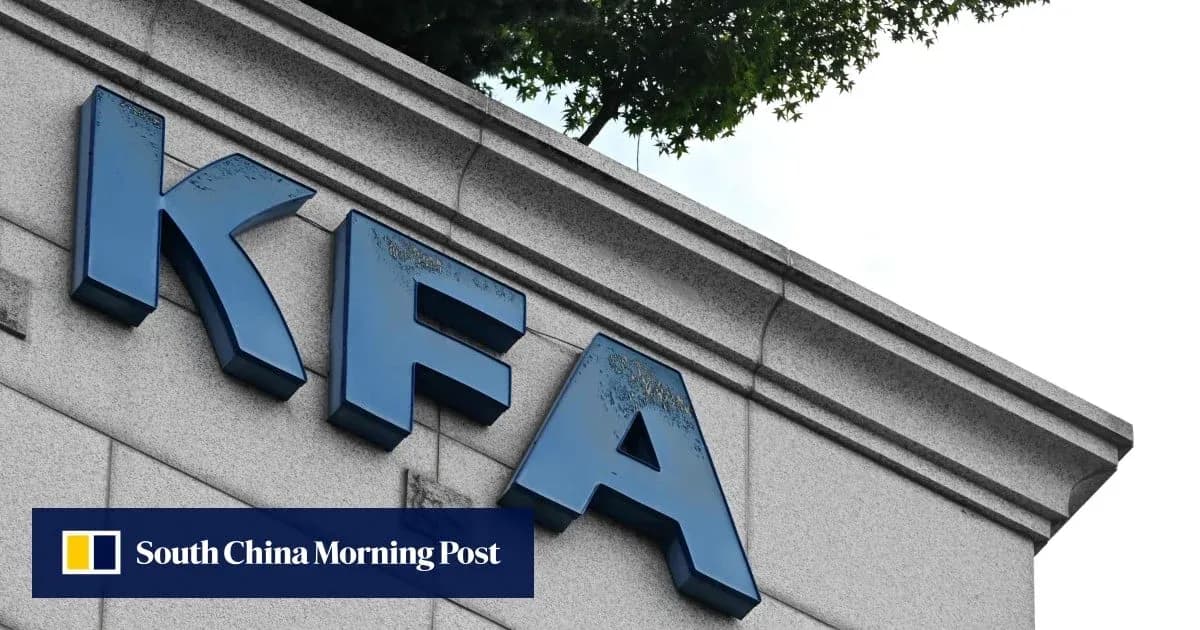
South Korean football’s World Cup failure has spilled from the pitch into the corridors of power, with police raiding the Korea Football Association (KFA) headquarters on Thursday as part of a widening probe into the hiring of former national team coach Hong Myung-bo.
Officers from Seoul’s financial crimes unit carried out “search and seizure operations” at the KFA offices, targeting documents and records linked to Hong’s appointment, a police spokesman confirmed. Investigators are examining potential “obstruction of business” in the recruitment process, a serious allegation that strikes at the heart of how one of Asia’s major football powers is run.
This is no routine audit. It is the latest flashpoint in a storm that has been building since South Korea’s dismal World Cup campaign in the United States, Mexico and Canada, where a 1-0 defeat to South Africa sealed their exit at the group stage of the expanded 48-team tournament.
Hong, 57, stepped down in June, taking formal responsibility for the early elimination. His resignation, though, did not close the book. It opened it.
Questions over his 2024 appointment had already been swirling inside Korean football circles long before the World Cup began. Critics pointed to opaque decision-making, internal power plays and a process that, to many, never felt fully transparent. Once the national team failed to reach the last-32 knockout stage, those doubts hardened into demands for answers.
The pressure finally forced the authorities’ hand. Seoul police confirmed that financial crimes investigators are “looking into whether there were charges of obstruction of business during the appointment of Hong Myung-bo”. Every word of that statement will sting at KFA headquarters.
Local media reports say the probe centres on whether senior KFA officials improperly intervened in the coaching search, allegedly breaching the association’s own internal rules to steer the job towards Hong. If proven, it would suggest not just poor sporting judgment, but a governance failure at the very top of the organisation.
For a country that has built its football identity on discipline, structure and relentless work ethic, the image of police officers combing through the game’s governing body is a jarring one. The World Cup exit hurt. This cuts deeper.
The KFA now finds itself fighting on two fronts: repairing a broken national team and convincing a skeptical public that the institution overseeing it still deserves their trust.