.svg&w=384&q=75 "Naijagoal logo")

Ousmane Dembélé Named Ligue 1 Player of the Year Again
Ousmane Dembélé has been named Ligue 1 Player of the Year for the second season running, and this time there is no sense of him sharing anyone’s stage.
At 28, the Paris Saint-Germain winger is no longer the heir to Kylian Mbappé. He is the man carrying the standard. In a team reshaped, sharpened and stripped of its old superstar clutter, Dembélé has become the face of a Parisian side closing in on a 14th domestic crown and heading straight into a Champions League final date with Arsenal.
A season built on pain and precision
The award would have been impressive in any context. In this one, it borders on defiant.
Dembélé has spent the campaign wrestling with his body. Persistent physical problems restricted him to just nine Ligue 1 starts and 960 minutes of action, barely more than half of the 1,736 minutes he logged last season. For a player whose game runs on rhythm, repetition and raw acceleration, those numbers usually spell a lost year.
He refused to let it become one.
In those limited minutes he still tore through the league: 10 goals, six assists, and a constant sense of danger every time he took possession on the right. The output is ruthless, almost economical. He simply condensed a full season’s worth of threat into a fraction of the time.
Coaches and analysts point to the numbers, but the real damage lies in what the statistics cannot quite capture. Dembélé’s presence on the flank bends defensive lines out of shape. Full-backs get dragged wide, centre-backs hesitate, midfielders shuffle over to help. Space opens up elsewhere. PSG’s attack breathes.
Joining an elite, unforgiving club
Back-to-back UNFP Player of the Year trophies place Dembélé in a rarefied circle.
He is only the fifth player in French football history to retain the award. The last man to do it before the Mbappé era was Zlatan Ibrahimović in 2014, another PSG forward who turned Ligue 1 into his own private stage. Then came Mbappé, who held the trophy in an iron grip for five straight years before departing for Real Madrid.
Now Dembélé steps into that lineage, not as a placeholder but as a worthy successor. This is no token handover in the vacuum left by Mbappé. It is a statement that, in a retooled PSG, he is the reference point.
The club’s dominance runs deeper than one star. Desire Doué, Dembélé’s teammate, collected the award for best young player of the season, underlining the sense of a new generation emerging around the winger.
When Dembélé accepted his prize, he did what he always does: shifted the spotlight. He credited the coaching staff’s tactical framework, the discipline of the group, the relentless work of teammates. The humility is genuine, but it also fits the new reality at PSG. Individual brilliance now serves a structure, not the other way around.
Luis Enrique’s hard reset
That structure belongs to Luis Enrique.
The Spaniard has ripped up the old PSG blueprint. The days of loosely connected superstars waiting for moments of genius have given way to a demanding, possession-heavy system built on collective pressing and positional discipline. Every player has a role. Every run has a purpose.
This reset has protected PSG from the kind of injury crises that used to derail their seasons. Losing Dembélé for long stretches would once have felt catastrophic. Under Luis Enrique, the team absorbed the blow, adapted, and kept winning. When Dembélé did return, he plugged straight back into a machine that already knew exactly how to use him.
The coach’s work did not go unnoticed, even if the best coach award slipped elsewhere. Pierre Sage of Lens took that honour after turning his side into PSG’s only serious domestic challenger. Lens pushed, harried and chased, but the title race effectively ended with a narrow 1-0 win over Brest that left Paris six points clear with an unassailable goal difference.
PSG closed the door. The rest of France could only stare at it.
All roads lead to London
For all that, everyone in Paris knows the domestic story is only the opening act.
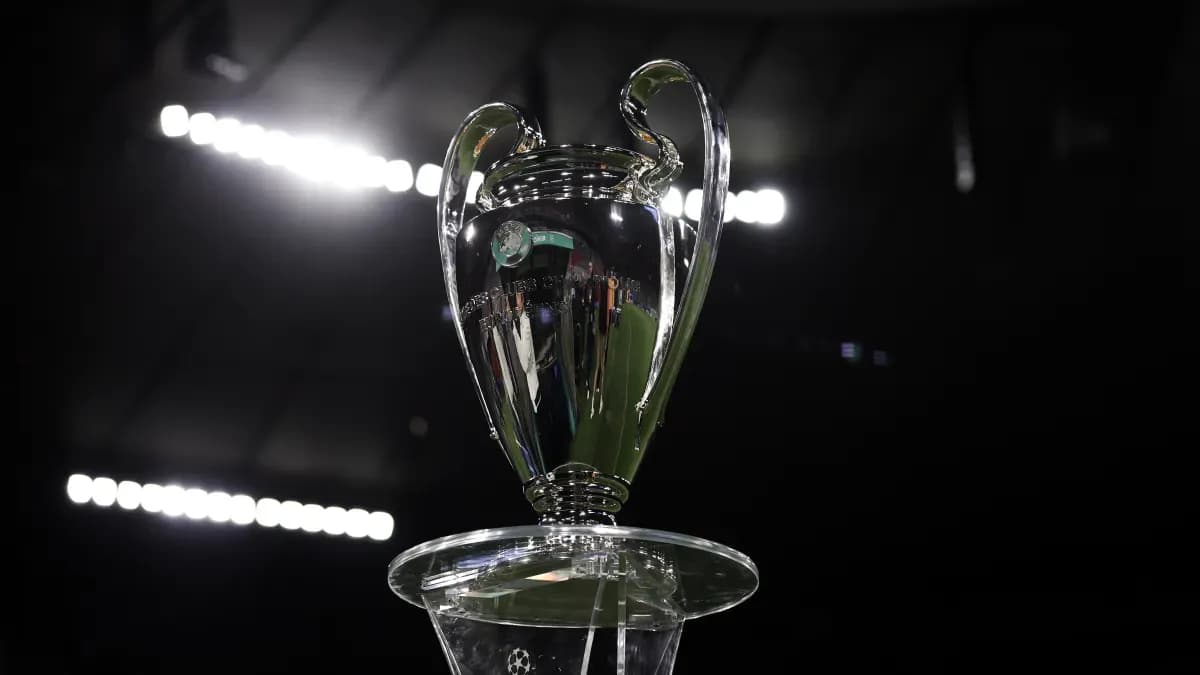
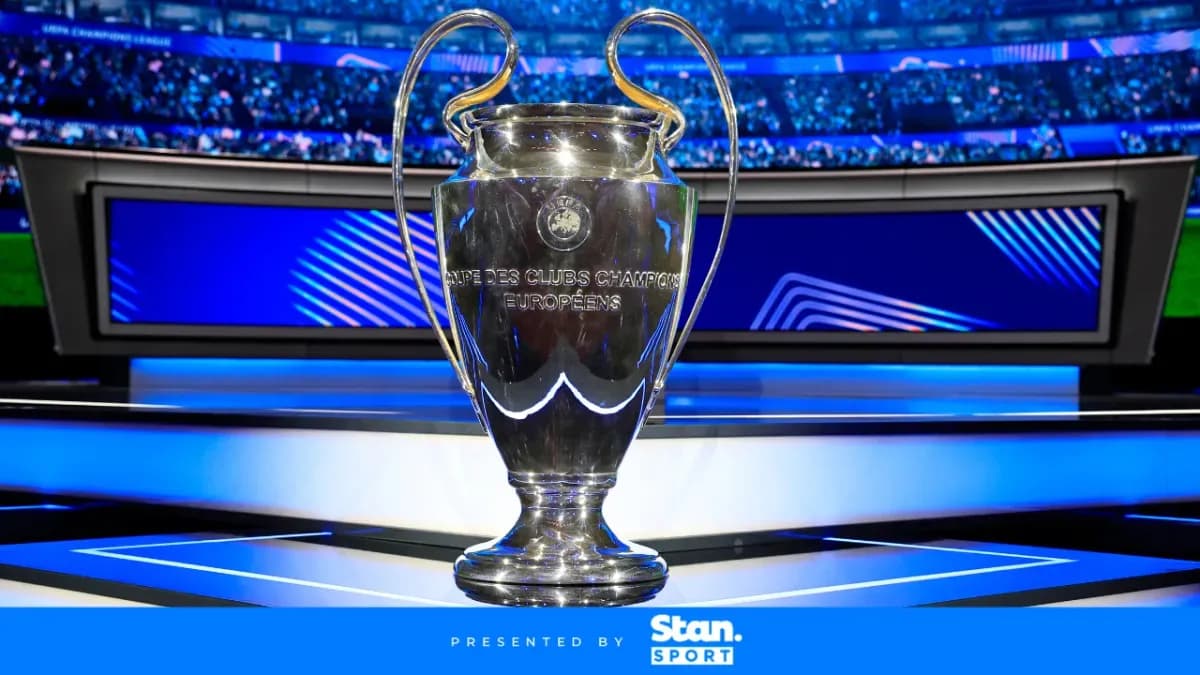
The club’s real measure remains the Champions League, the competition that has haunted and defined PSG’s modern era. This season, the run has felt different. A wild, nerve-shredding semi-final against Bayern Munich ended 6-5 on aggregate in Paris’s favour, the kind of tie that usually broke them in the past. This time they held firm.
Observers across Europe have noticed a new edge. The squad looks tougher, more resilient, less prone to emotional collapse when momentum turns against them. Luis Enrique’s tactical flexibility, forced by injuries and high-level opposition, has hardened this team rather than exposed it.
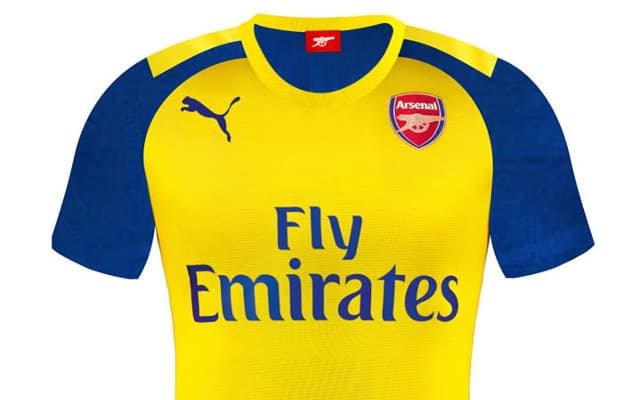
Now comes Arsenal in London, a final that could redraw the map of European power and, with it, Dembélé’s place in the game.
If he stays fit, he walks into that match as one of the most unpredictable weapons on the pitch. Few players can change the geometry of a game in an instant the way he can: a sudden burst past a full-back, a disguised pass into a crowded box, a shot whipped inside the far post. On nights like that, one moment of chaos can decide everything.
For Dembélé, this season has already rewritten his standing in French football. The Player of the Year award, retained against the odds, confirms it. The question now stretches far beyond Ligue 1.
With the continent watching and Arsenal waiting, is he about to reshape the story of French club football on the biggest stage of all?