.svg&w=384&q=75 "Naijagoal logo")
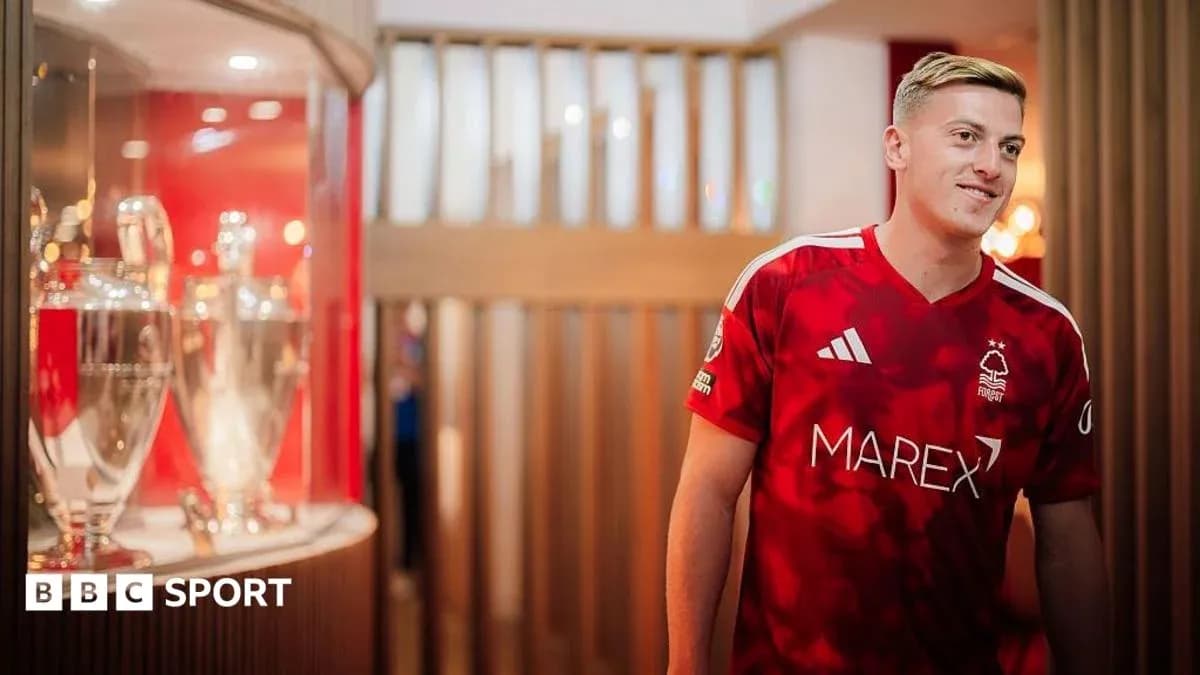

Nottingham Forest's Strategic Summer Signings
Nottingham Forest have changed gear this summer. No scattergun spree. No late-window scramble. Just a clear idea: fewer signings, better fits.
Oliver Glasner has driven that shift. The head coach has always preferred a tight group, players he can drill, trust and push, rather than a bloated squad fighting for minutes. So the days of double-figure arrivals were never likely to be repeated.
Instead, Forest have gone big where it matters.
Liam Delap’s £50m move is the headline piece. He is not a short-term gamble; he is the long-term heir to Chris Wood. After a grim spell at Chelsea, where rhythm and confidence evaporated, Delap now has what every striker craves: a manager who believes in him and the promise of regular football. Forest are betting that a stable role in Glasner’s system will bring back the direct running, sharp movement and penalty-box presence that once made him one of England’s most talked-about young forwards.
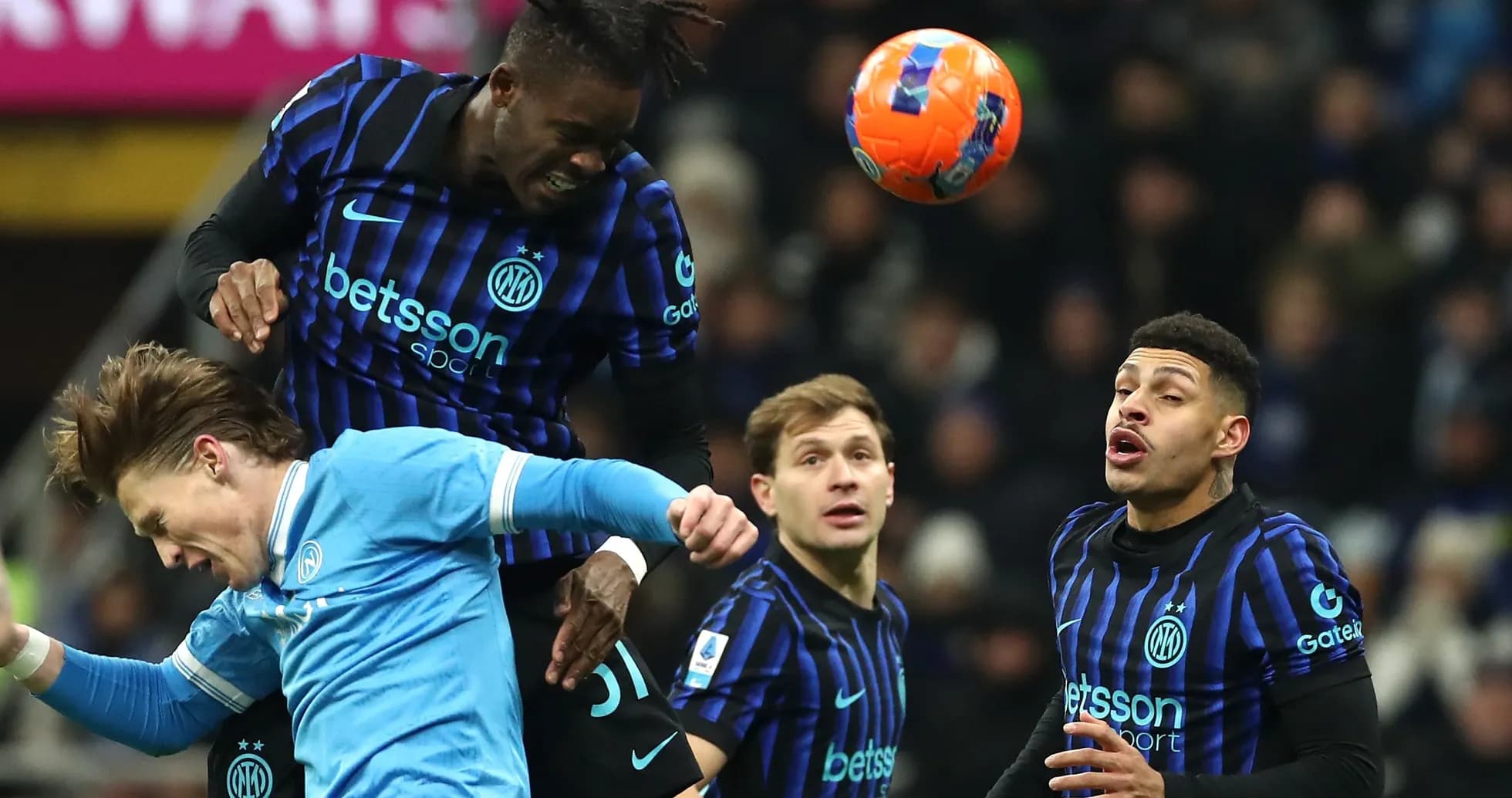
Behind him, the spine has been reinforced with equal intent. The £34m capture of Ousmane Diomande is about more than numbers in defence. Glasner wants him to drop straight into a back three alongside Murillo and Nikola Milenkovic, a blend of youth, aggression and composure that could define Forest’s identity without the ball. If that trio clicks, it gives the Austrian coach the platform he craves: a high, brave line and defenders comfortable stepping into midfield.
On the right, Daniel Munoz has followed Glasner from Crystal Palace, and that familiarity matters. He knows the demands, the triggers, the patterns. His arrival also turns up the heat on Ola Aina, whose spot at right-back is no longer secure. Competition there should be fierce, and Glasner will welcome that edge.
Midfield has not seen a marquee replacement for Elliot Anderson, but it has gained someone the coach trusts implicitly. Xaver Schlager, reunited with Glasner after their time together at Wolfsburg, brings tactical discipline, bite and an understanding of what the manager wants in and out of possession. It is not a flashy signing, but it is the sort that often underpins a season.
The context around all this is crucial. There is no European football to contend with this time. Last season’s draining run to the Europa League semi-finals left Forest exhausted and threadbare by the time they faced Aston Villa, and it showed in a heavy second-leg defeat. That schedule stretched the squad to breaking point.
Now, the load is lighter. With domestic competitions the primary focus, a smaller, more coherent group should cope with the demands far better. For once, Forest head into a campaign with something they have not had for a while: continuity.
After last summer’s 13 arrivals, this window feels almost restrained. Faces are familiar, partnerships are already formed, and the dressing room no longer resembles a revolving door. Glasner has been careful to temper expectations, reminding everyone he is not a magician and warning against dreams of instant transformation.
But the landscape has shifted in his favour. The churn has slowed. The squad is closer to his image. The pieces he has pushed for are now in place.
Now comes the real test: can he turn this leaner, handpicked Forest into a side that looks and plays like his, week after week?