.svg&w=384&q=75 "Naijagoal logo")
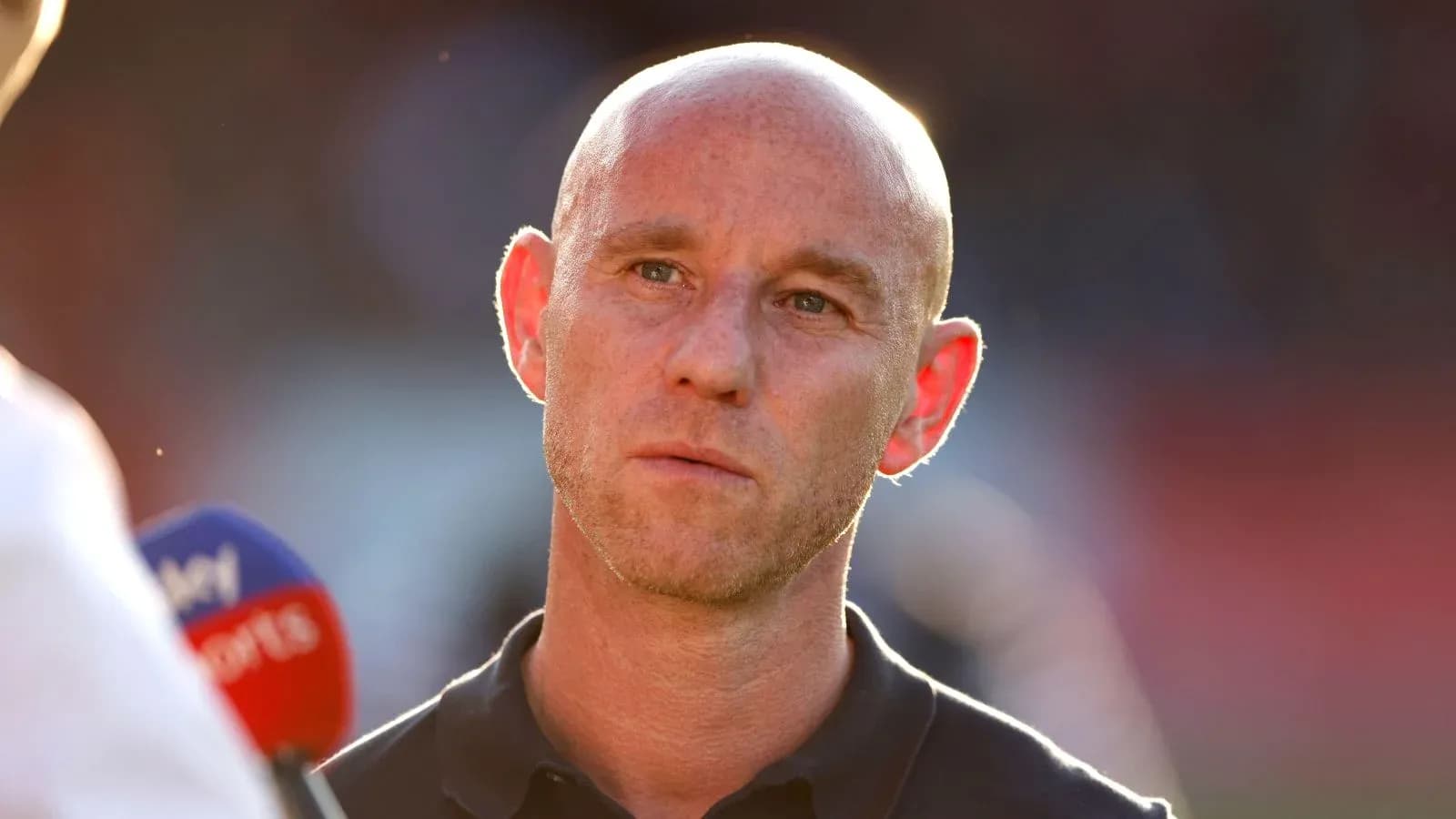

Nicky Butt's Recycling Row: A Misguided Football Exclusive
The word “exclusive” used to mean something in football journalism. A scoop. A revelation. A story that actually mattered.
On Friday morning, it meant this: a middle‑aged man recounting a row at a recycling centre.
Nicky Butt and the great tip stand-off
The Sun splashed it as an EXCLUSIVE and pushed it as the second-biggest football story of the day, just behind Vini Jr signing a new deal at Real Madrid. Quite a billing for what followed.
“Man Utd icon Nicky Butt BANNED from local tip after ‘raging’ row with staff.”
No undercover investigation. No whistleblower. No painstaking digging. The “exclusive” arrived because Nicky Butt said it himself. On his own podcast. In public. As he does every week.
The former Manchester United midfielder told The Good, The Bad & The Football podcast – which he hosts with Paul Scholes and Paddy McGuinness – that he had been banned from his local tip, believed to be the Woodhouse Lane Recycling Centre in Altrincham.
Butt explained that an attendant accused him of trying to sneak items into the site because his car windows were blacked out. “He said to me, ‘Your windows are blacked out because you’re sneaking stuff into it, into the tip’. And I went, ‘No, it’s standard, mate’,” Butt recalled.
He decided to drive in anyway. “I thought, well, I’m there now, I’m gonna go for it. So I’ve got up the ramp, I see this bloke getting up… trying to chase me up the hill, but he’s got his walkie-talkie out.
“So I’ve literally got up the top, throw all the bags out, and I’m going back down the hill, and he’s going mad at me. Anyway, I’m banned from the tip.”
That’s the story. No council confirmation that he is actually banned. No witness to back it up. The Sun’s follow‑up work? They “contacted [Butt] for comment” on something he has already described in detail on his own show.
An everyday anecdote, broadcast freely, repackaged as an “exclusive” and elevated to near the top of the football news agenda. This is where the word now finds itself: stripped of meaning, plastered on content nobody else touched not because it was hard to find, but because nobody else cared.
Liverpool, Trabzonspor and a reunion that isn’t
The day’s creative headline-writing did not stop there.
“Darwin Nunez in line for unexpected Liverpool reunion after transfer twist,” announced the Mirror.
Anyone who has lived through a transfer window could guess the catch. Darwin Nunez is not going back to Liverpool. He is not about to sign for a club that will face them regularly. The “reunion” is not about Liverpool at all.
The story itself spells it out. Mohamed Salah could be joined at Trabzonspor by Nunez, with the Turkish club targeting Salah’s former Liverpool team‑mate. The hook is a possible reunion between two players who once shared a dressing room at Anfield, now potentially sharing another one in the Super Lig.
That’s an unexpected Salah reunion. Not a Liverpool one. But “Liverpool reunion” drags more eyes, so Liverpool reunion it becomes.
Arsenal, one friendly and five lessons too many
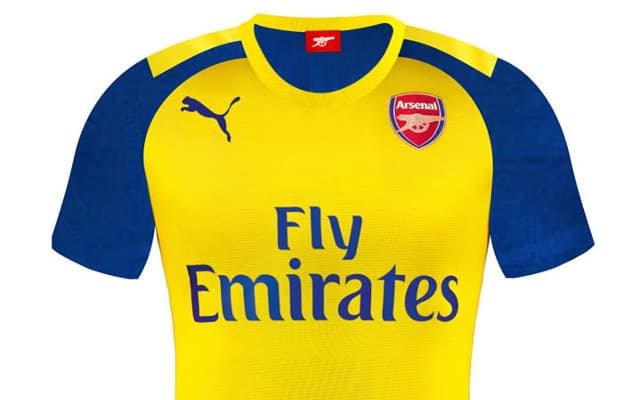
While the headlines stretched language elsewhere, Arsenal were busy starring in their own summer drama. Not on the pitch – that took just one pre‑season defeat to Real Betis – but in the reaction to it.
The Sun devoted a full day to the setback, then came back for more. A single warm‑up loss treated as a looming crisis, a wobble inflated into something close to existential dread.
The latest instalment arrived under the headline: “Five things we learned from Arsenal’s woeful loss to Real Betis with Kepa displaced as No2 and Tzolis’ lethal asset.”
Five things. From a pre‑season game. A match designed for fitness, rhythm and experimentation became a platform for sweeping conclusions, with language dialled up to “woeful” and the tone set somewhere between alarm and autopsy.
The piece even included the line: “A pre-season defeat is never the end of the world…” which would have been a sensible starting point, had it not followed a string of sky‑is‑falling pieces about the very same result. One friendly, five separate doom‑laden angles in 24 hours. The volume of coverage said far more about the hunger for clicks than it did about Arsenal’s prospects.
Polls, outrage and a World Cup target
The day’s media theatre did not end with ex‑players and pre‑season panic. The Daily Express continued a familiar routine: ask a loaded question, gather a small sample of responses, then treat the result as news.
The latest offering sits on its football homepage: “Should the World Cup be stripped from Spain, Portugal and Morocco after migrant crisis?”
The pattern is well established. Pose a provocative poll to a readership renowned for its strong views, then convert the outcome into a headline that sounds like a directive from the game itself: “FIFA told Spain, Portugal and Morocco must be stripped of 2030 World Cup.”
The votes are not official, not representative and not binding. They are website interactions, nothing more. Yet they are dressed up as a groundswell of opinion that demands attention from the sport’s governing body.
When noise drowns out the game
On a single morning, an anecdote about a recycling centre, a mislabelled reunion in Turkey, a pre‑season defeat turned into a five‑point inquest and a poll primed for outrage all jostled for space under the banner of football news.
The sport itself has rarely been bigger, richer or more intensely followed. The question is whether the coverage can keep pace with that growth without losing its grip on what actually matters.