.svg&w=384&q=75 "Naijagoal logo")
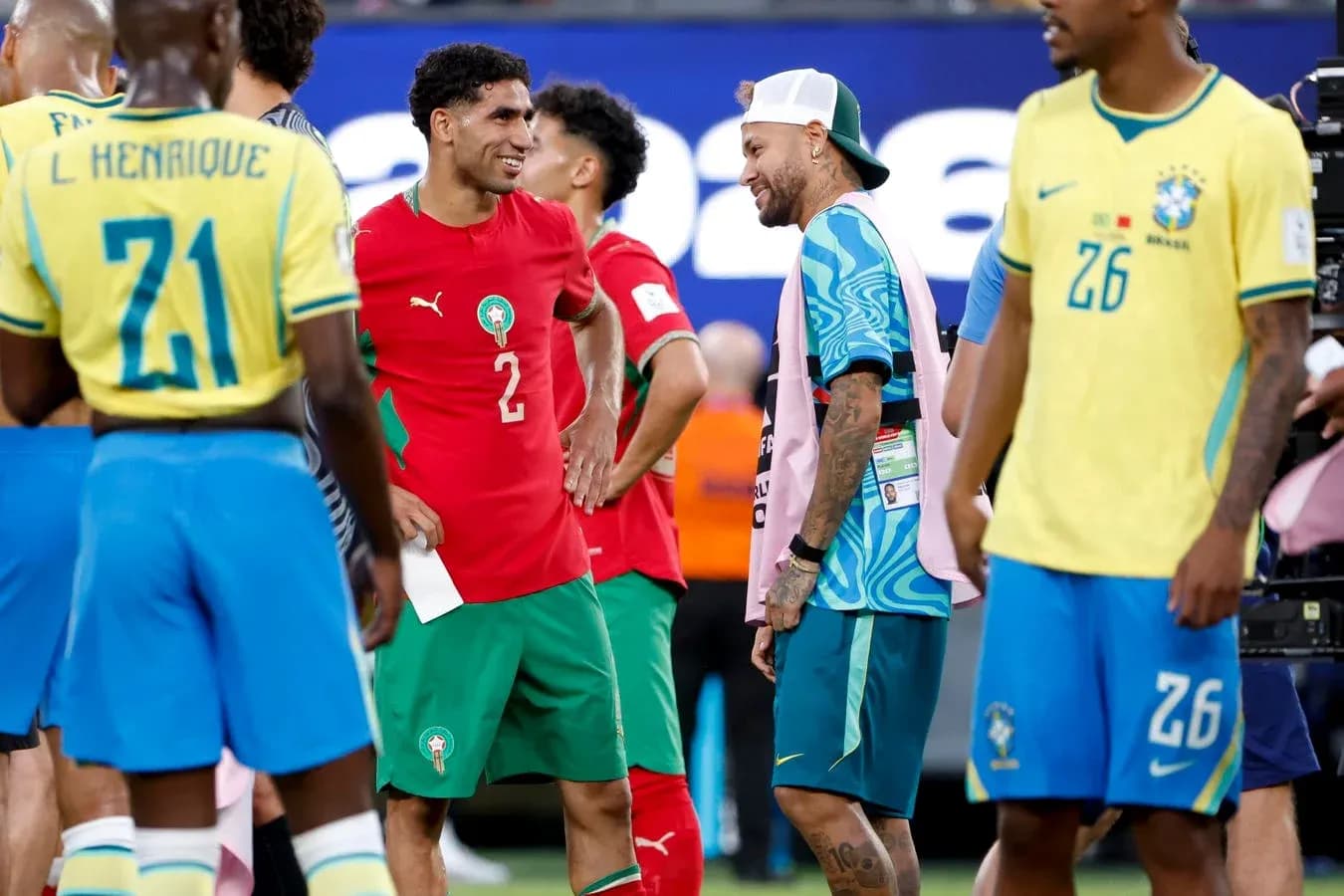

Neymar Out, Pulisic Doubtful as Calf Injuries Impact World Cup
Brazil and the United States head into a crucial stretch of the 2026 FIFA World Cup with their star forwards limping rather than leading.
Two of the tournament’s headline attackers, Neymar Jr. and Christian Pulisic, are both battling calf injuries that threaten to reshape their countries’ group-stage plans and, potentially, their entire World Cup arcs.
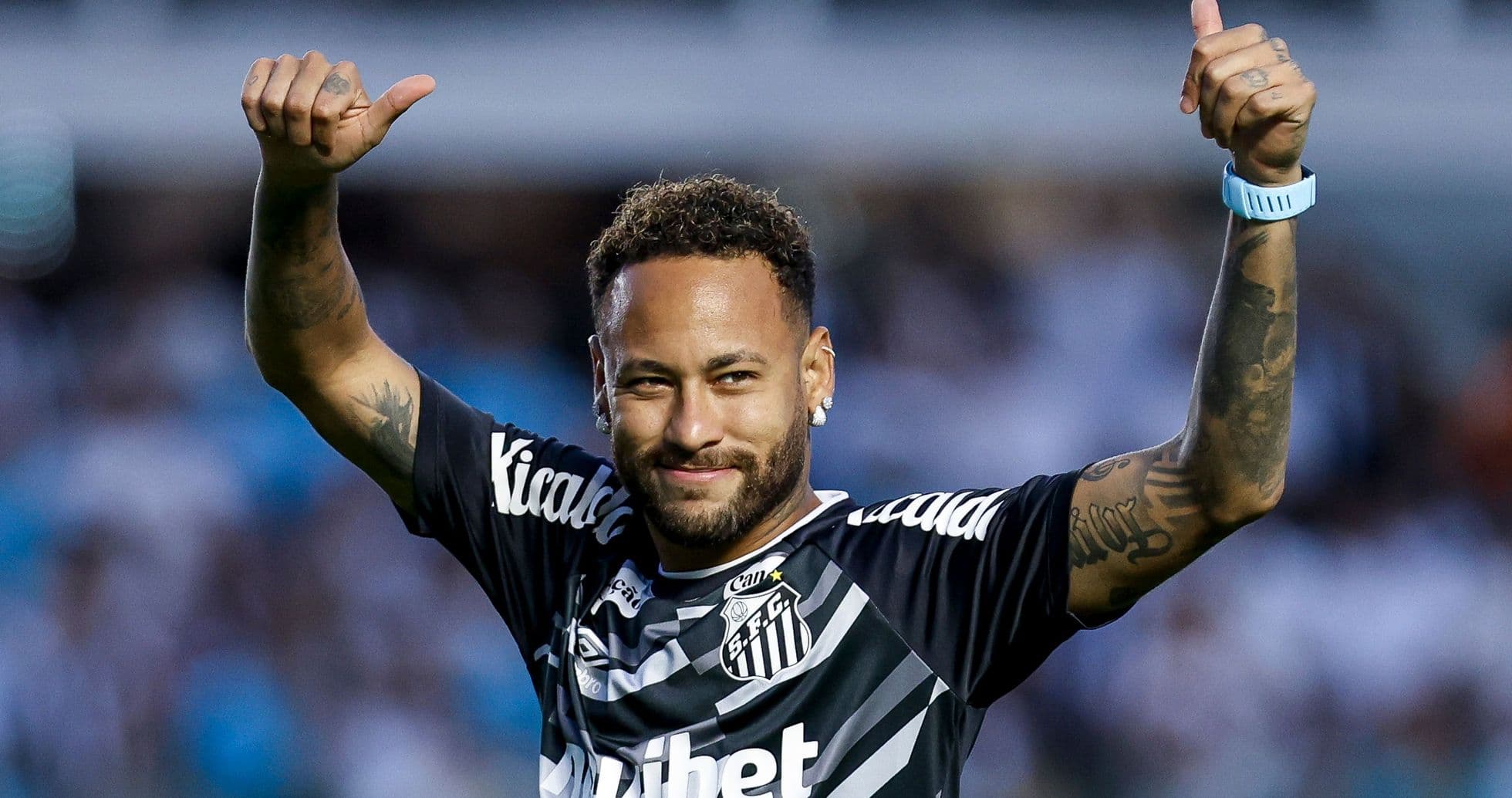
Neymar Stuck On The Sidelines
For Neymar, this World Cup has yet to begin.
The 34-year-old has been sidelined for a month after injuring his right calf on May 17 while playing for Santos. He has inched back toward fitness, training alone on the sidelines on Tuesday and briefly joining his Brazil teammates on Wednesday, but the wait for his first appearance at this tournament goes on.
He has already been ruled out of Brazil’s next Group C match against Haiti. Inside the Brazil camp, there is a real possibility he will sit out the entire group stage, preserved as a weapon for the knockout rounds—if Brazil get there.
That is no formality. The five-time world champions opened with a 1-1 draw against Morocco and now face Haiti on Friday and Scotland on June 24. Any slip could turn a cautious medical decision into a brutal sporting regret.
Neymar’s absence is layered. He has not played for the senior national team since October 17, 2023, when he tore the anterior cruciate ligament and meniscus in his left knee during a World Cup qualifier against Uruguay. The right calf problem arrived just as he was trying to climb back to full international speed.
The latest diagnosis is reported as a second-degree calf strain—a moderate muscle injury that involves a significant portion of the muscle but stops short of a complete tear. Recovery from such a strain typically takes around three to six weeks before a player can return to full activity.
For a 34-year-old who has already endured major knee surgery, every sprint, every jump, every landing is now calculated risk.
Pulisic’s Pain Arrives At The Worst Time
On the other side of the Atlantic, Christian Pulisic’s World Cup has taken an early, unwelcome twist.
The 27-year-old injured his left calf in training just last week, then aggravated the problem during the USMNT’s World Cup opener, a commanding 4-1 win over Paraguay. The damage was serious enough to force him off by halftime, turning a statement victory into a nervous watch for American fans.
His status for the United States’ Group D match against Australia on Friday remains unclear. The U.S. coaching staff now face the familiar World Cup dilemma: push a star through discomfort to maintain momentum, or protect him and trust the squad to cope without its most dangerous attacker.
Medical details around Pulisic’s strain have not been fully defined. It is not yet known whether he is dealing with a milder first-degree strain or something closer to Neymar’s moderate, second-degree issue. That distinction matters. A first-degree strain can clear in one to three weeks. A second-degree injury can take two to three times as long.
At a World Cup, those margins are brutal. A few days can be the difference between starting a decisive group game and watching it in a tracksuit.
The Brutal Reality Of A “Pulled Calf”
Strip away the glamour and this comes down to a familiar, unforgiving injury.
Both players are believed to be dealing with calf strains—pulled calf muscles in more everyday terms. The calf complex, heavily used in sprinting and explosive movements, is one of football’s most vulnerable areas. Every time a player drives off the turf to accelerate, change direction or leap, those muscles absorb sharp, sudden loads.
When the muscle or its tendons are overstretched or pushed beyond what they can handle, fibers tear. That tear might be small and nagging, or it might rip through the entire muscle-tendon unit.
The scale of the damage defines the diagnosis:
- A first-degree strain affects less than five percent of the muscle mass. Painful, but often manageable, with a return possible in one to three weeks.
- A second-degree strain, the level reportedly affecting Neymar, involves more of the muscle. It is still not a complete rupture, but it demands three to six weeks of careful rehabilitation.
- A third-degree strain is the nightmare scenario: a full tear that can sideline a player for months and sometimes demands surgery.
Treatment is conservative unless that worst case appears. Rest, ice, compression and elevation remain the standard tools. Stop the activity. Cool the area in short, regular bursts. Wrap the calf to limit swelling. Keep the leg raised to help fluid drain away.
For Neymar and Pulisic, the challenge is not just healing. It is timing. Heal too slowly, and the World Cup can pass you by. Rush back too quickly, and a strain can become a season-wrecking tear.
Two Nations Hold Their Breath
So both Brazil and the United States move forward with a familiar unease: planning for life without their stars while hoping they can rejoin the story in time to change it.
Brazil must navigate Haiti and Scotland with Neymar watching, his right calf dictating whether his next World Cup moment comes in the knockout rounds or not at all.
The U.S. wait on scan results, training updates and the player’s own feel for his body before deciding how much of a risk Pulisic can take against Australia.
Two calf muscles. Two superstars. Two World Cup campaigns that may hinge on how quickly those fibers knit back together—and how much risk their countries are willing to run in the chase for something bigger.