.svg&w=384&q=75 "Naijagoal logo")
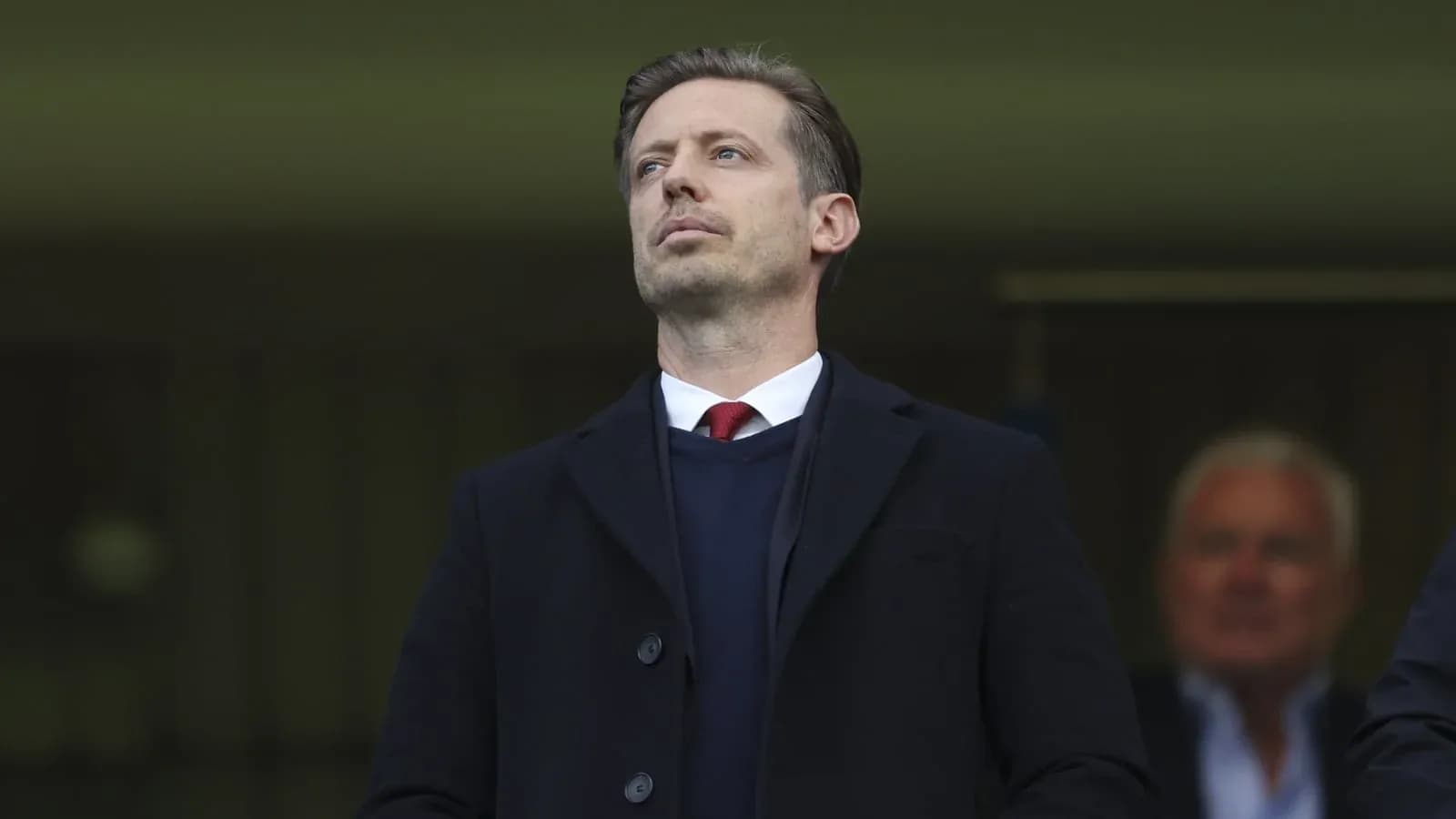

Michael Edwards Resigns: What’s Next for Liverpool and FSG?
Michael Edwards’ second Liverpool chapter is over almost as quickly as it began, and it leaves Fenway Sports Group facing another awkward question about who is really steering their football project.
The architect of Liverpool’s modern recruitment era has resigned from his role as FSG’s chief executive of football, less than two years after returning to take on a broader, multi-club brief. The vision was bold: Edwards would oversee a network of teams under the FSG umbrella, shaping a global football operation from the top down.
That project never truly got off the ground.
Late last year, the American ownership parked the multi-club plan. Once that decision landed, those close to the situation say Edwards made it clear he wanted out. FSG tried to change his mind. They failed.
The timing is uncomfortable. Sporting director Richard Hughes continues to be linked with a move to Saudi Arabia, and now the figure who was supposed to provide overarching football direction has gone as well. For a group that prides itself on structure and stability, the top of the football department suddenly looks thin.
Edwards leaves with a year still to run on his contract, but with his own sense of the job completed.
"It has been a privilege to return to Fenway Sports Group and Liverpool Football Club at such an important moment," he said in a statement, framing his exit as a departure from strength rather than retreat. "I leave believing Liverpool is in a strong position, with outstanding people, a clear direction and the foundations in place for continued success."
When he came back in 2024, it was not simply to steady the ship after Jurgen Klopp’s departure. He was asked to help guide Liverpool through that seismic transition and, at the same time, sketch out FSG’s wider football ambitions.
"While that broader project ultimately evolved differently to how we had originally envisaged," Edwards admitted, "I am proud of the work our team undertook in presenting ownership with a broad range of thoughtful and well-developed options for the future."
Those options now sit on the owners’ desks, but without the man who drew many of them up.
Edwards’ farewell was laced with gratitude. He thanked FSG’s key powerbrokers — Mike Gordon, John Henry and Tom Werner — and, pointedly, the supporters "whose passion makes this club so special. I will always be grateful to have been part of its story."
Inside FSG, there is no attempt to downplay the scale of his influence. President Mike Gordon, who will now absorb Edwards’ responsibilities, called his contribution "extraordinary" and stressed the importance of both of his spells at the club.
"When Michael returned in 2024, he did so at a pivotal moment for Liverpool, embracing a broader leadership role across our football interests in the process," Gordon said. Across both eras, he added, Edwards had shown "exceptional judgement, integrity and an unwavering commitment to building a strong football organisation for the long term."
Gordon also pointed back to Liverpool’s historic English league title, stressing that Edwards had played "an important contribution" in the club navigating a "significant period of transition" on the way to that achievement.
The praise was generous, the disappointment obvious. "While we are naturally disappointed to see him leave, we will always be grateful for everything he has given," Gordon said, before offering the customary best wishes to Edwards and his family.
So what now?
Gordon steps into an even more central role, adding day-to-day football oversight to his already heavy portfolio. The Hughes situation lingers in the background. The multi-club idea, once a key plank of FSG’s growth strategy, sits in cold storage.
Liverpool, Edwards insists, remain in "a strong position." On the pitch, that may well be true. Off it, the departure of the man who once defined their edge in the market poses a sharper question: who will design the next phase of FSG’s football future?