.svg&w=384&q=75 "Naijagoal logo")

Mexico’s World Cup Journey Brings Hope and Joy to Southern California
Mexico’s World Cup Exit Sparks Celebration, Not Defeat
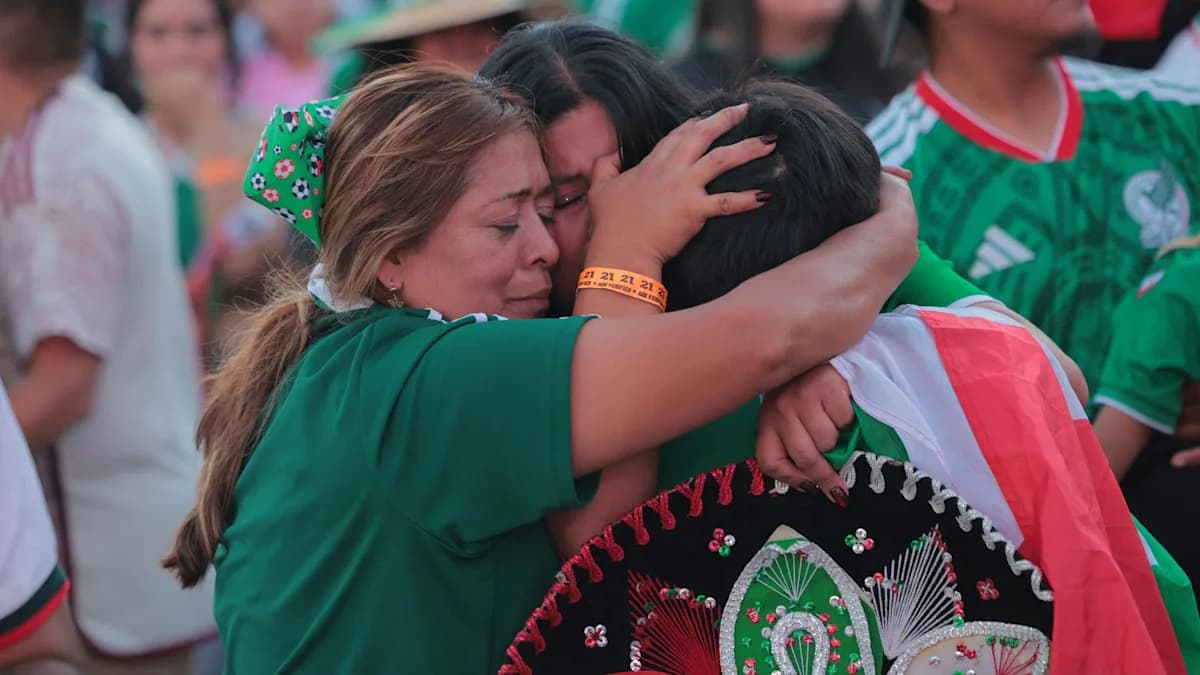
The local Santa Ana bistro buzzes with energy despite Mexico’s 3-2 loss to England in the last 16 at Azteca Stadium. Mexican flags wave and voices rise in song, carrying the familiar tune of Cielito Lindo. Louie Leyla, a Mexican-American who has lived in California since 1990, shares, “This is sad, but we’re going to keep supporting our people no matter what.”
Even though England ended Mexico’s World Cup run, this community on America’s west coast sees more than just a defeat. Their team surpassed expectations, uniting fans across Southern California and offering weeks filled with celebration.
Community Spirit Outshines the Scoreline
Alicia Rojas expresses mixed feelings: “It’s a loss, but it’s a win for our community here in Santa Ana.” Nearby, Cynthia Rebolledo watches her young son, decked out in Mexico’s colors, eager and hopeful. “He keeps asking if there will still be a parade. He thought we won,” she says with a smile. For many, this tournament became about more than just football.
Leigh Slater observes the scene as music blares and fans dance waving Mexican flags. “Football is like life; sometimes you win, sometimes you lose. But what stands out is the resilience of immigrants in this country.”
A Year of Contrast: From Fear to Festivity
Before facing England, Mexico had not conceded a goal in the first half during 15 straight World Cup games. Their passionate supporters filled stadiums across both the United States and Mexico, donning bright green shirts and chanting loudly. Southern California especially showcased the pride of one of the largest Mexican communities outside Mexico.
This vibrant atmosphere sharply contrasts with the same neighborhoods a year ago, when many Latino areas were affected by intense immigration raids. Streets that once bustled now emptied, businesses struggled, and people avoided public gatherings.
Los Angeles Times columnist Gustavo Arellano recalls, “These streets were dead last June, unless you were protesting. National Guard vehicles stood near my wife’s shop during raids. Many businesses lost customers overnight.” Fast forward twelve months, and the same streets are alive with celebration.
More Than Just a Tournament
For those impacted by immigration fears, this World Cup offered a rare chance to openly celebrate their identity. Fans proudly sang the Mexican national anthem, waved flags, and wore El Tri jerseys in fan zones full of families. For many, honoring their Mexican roots goes hand in hand with embracing their American life.
Arellano notes that in the 1990s, Mexican fans often faced criticism for displaying Mexican flags amid anti-immigration sentiments. Today, as America becomes more diverse, such expressions have grown stronger and more accepted.
“The cynic in me thinks Mexico always falls short against the top teams,” he admits. “But we never give up. I’m proud they fought until the very end. England was just better.”
Celebrating Dual Heritage Amid National Debates
As the United States marks its 250th anniversary with discussions about immigration and identity, diaspora communities have rallied behind countries beyond Mexico, including Scotland, Argentina, Colombia, Ecuador, Morocco, and Egypt. This reflects an America where millions cherish ties to more than one homeland.
For many Mexican-Americans, this World Cup became a celebration of two homes they embrace proudly. During a challenging period for Latino communities, this event brought something they had been missing: joy.