.svg&w=384&q=75 "Naijagoal logo")

Manchester City Faces Uncertain Future After Arsenal Defeat
The Etihad has seen quieter nights. It has seen losing nights. But this felt different.
After a 3-0 dismantling by Arsenal in the Community Shield, the stadium did not rage or panic. It almost sighed. As if an era knew it was coming to an end and had finally found its first clear marker.
This was not a throwaway August friendly. It was the first hard, public confirmation that the project Manchester City built over more than a decade has started to creak at its foundations.
The pillars start to fall
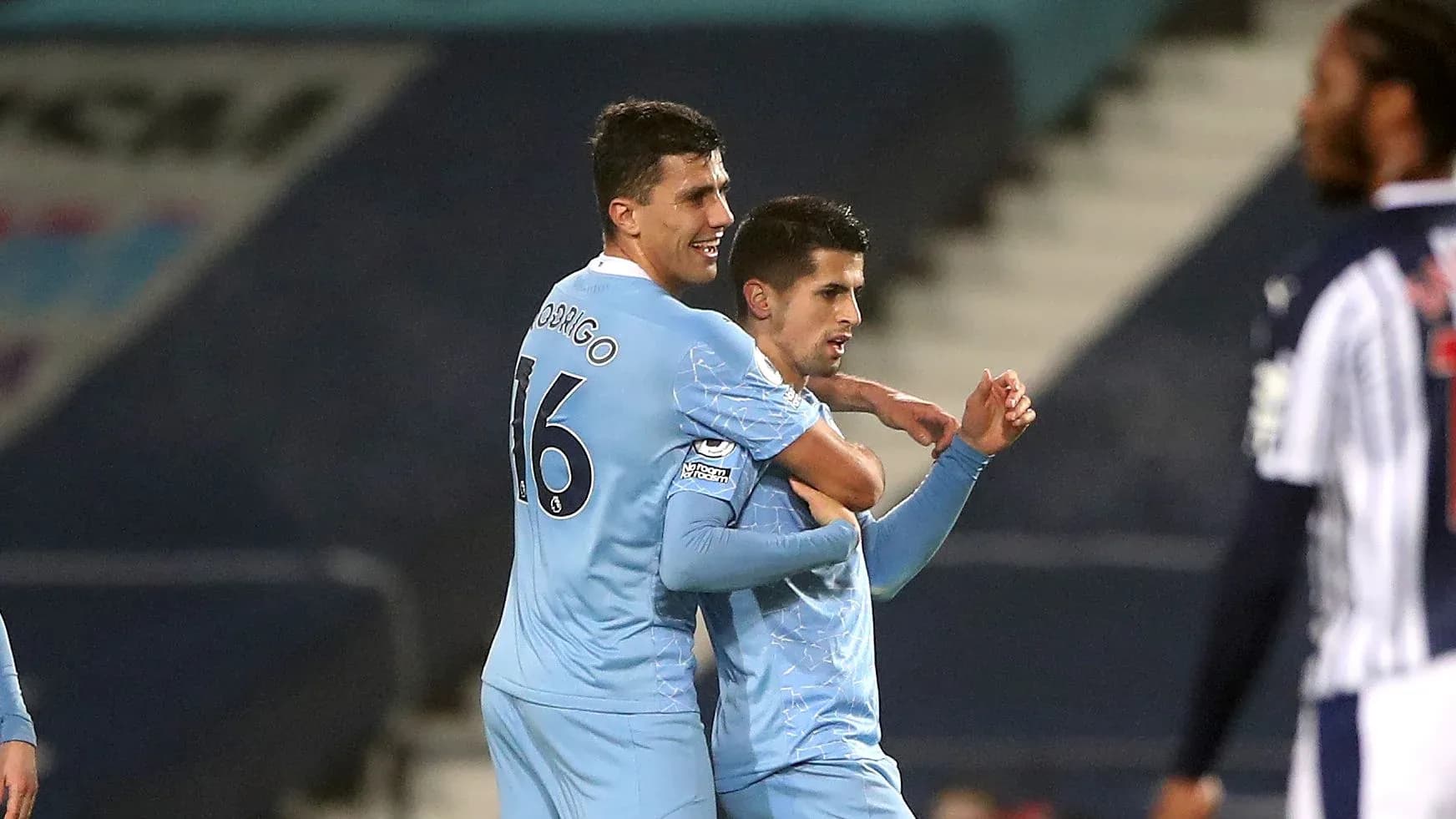
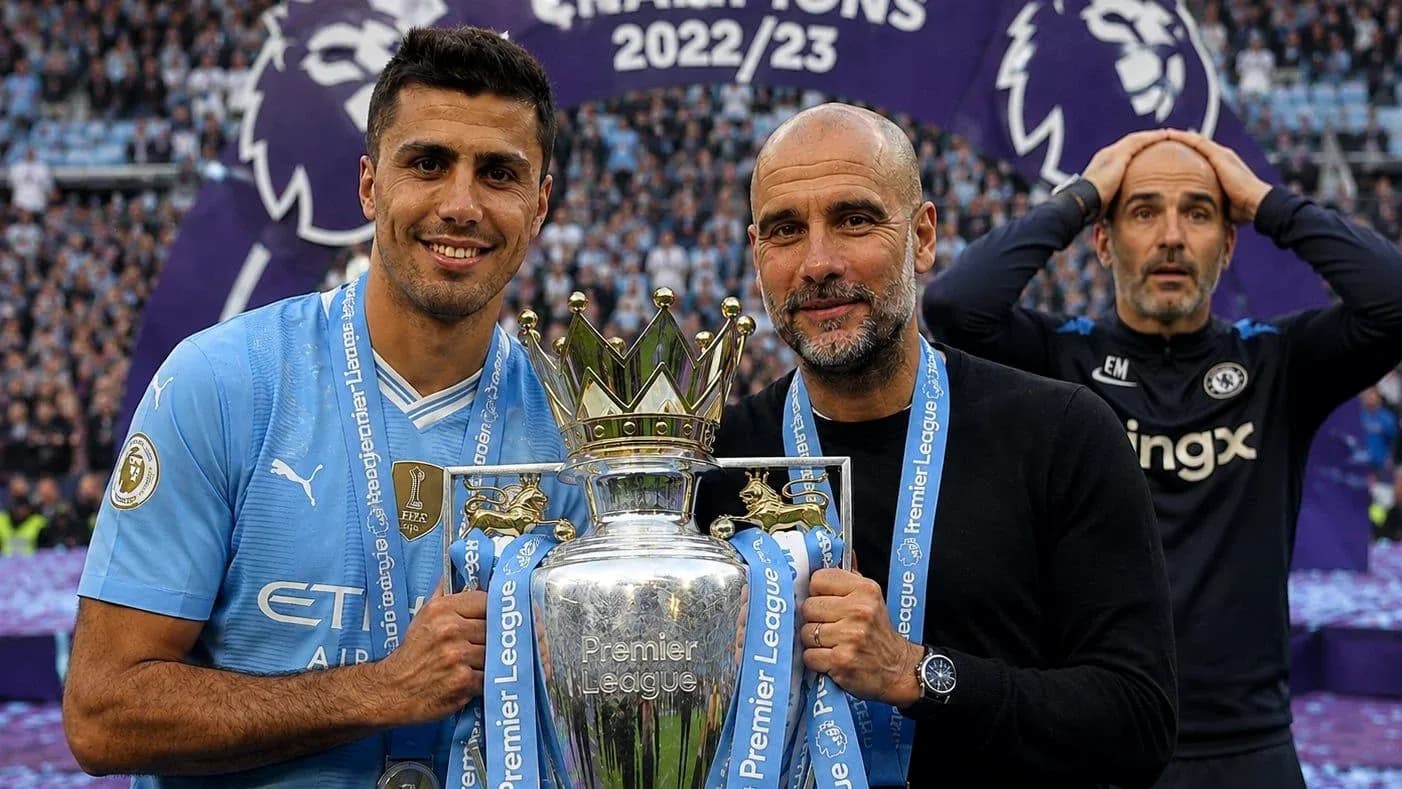
Txiki Begiristain has already gone. Pep Guardiola will follow. Rodri is edging towards the exit. One by one, the three pillars that turned City from noisy neighbours into a ruthless winning machine are being stripped away.
The question now hangs over English football like a warning: can City avoid becoming the next Manchester United after Sir Alex Ferguson? Or does the loss of those three figures drag them into the same long, messy search for themselves?
That question is no longer theory. It has a scoreline attached to it: Manchester City 0, Arsenal 3.
Whoever walks into the Etihad dugout after the architects of this golden age are gone will inherit a club that is still rich, still powerful, but suddenly unsure of itself. Enzo Maresca has already discovered what that feels like.
The Italian arrived with credit in the bank – titles with Leicester City and Chelsea on his CV – and a clear tactical reputation. Yet his first serious examination ended with City hitting a red wall. Arsenal pressed, punished and exposed. City left Wembley not just beaten, but with the sense that the easy years might be over.
Life after Txiki
On paper, the structure looks steady. The ownership remains untouched. Ferran Soriano is still in place, running the operation and the finances with the same cold efficiency that underpinned the rise.
But beneath that, the first real fracture has already appeared. Begiristain, arguably the defining sporting director of the modern era, decided more than a year ago that his time was up. He stayed to oversee the handover, to guide Hugo Viana through the early months, to smooth the transition.
Time has shown the difference.
Begiristain signed Erling Haaland for around £60 million and Rodri for around £70 million, building a hugely expensive squad while constantly offsetting it with sharp, profitable exits. Viana, by contrast, has flown past £130 million on just two signings this summer.
That is not a minor tweak in recruitment. It is a change of philosophy. The kind of shift that once dragged United away from the clarity of the Ferguson years and into a decade of reactive spending.
When Pep walks away, the aura goes with him
Guardiola is the second great pillar about to fall.
His genius is not only in tactics or in stacking trophies. It lies in the absolute authority he carried inside the club. He was untouchable. Win or lose, his status never wavered. No successor – not Maresca, not anyone – will inherit that same immunity.
The difference between a manager who knows he is untouchable and one who is constantly aware of the pressure shows up directly on the pitch. It shows in risk-taking, in squad management, in how a team responds to a bad week.
When Guardiola leaves, City do not just lose a coach. They lose a style, a certainty, a psychological stranglehold over the rest of the league. For years, rivals stepped onto the pitch already half-beaten by the idea of City as much as the team itself.
Strip that away and the void begins to look familiar. United cycled through one experiment after another after Ferguson: different ideas, different profiles, different transfer plans. None restored the old dominance. The fear at City is that the same cycle is waiting.
Rodri: the most dangerous loss of all
The third pillar is the most dangerous one. Rodri is not gone yet, but his farewell is close enough to feel.
Very few midfielders can haul a team from one level to another almost on their own. With Rodri, City were champions. Without him, they were often unrecognisable.
The spells he missed in recent seasons told the story in brutal detail. Without their Spanish anchor, City’s midfield lost its balance, its discipline, its calm. The structure sagged. The gaps appeared. Teams reached areas of the pitch that had been locked off for years.
His imminent departure is not just a tactical problem. It is a psychological one. Replacing his influence, his reliability and his command of games in the short term looks almost impossible.
Football history is full of clubs who let their central figure go and watched the whole edifice slump. City have no guarantee they will be any different.
A rebuild, whether they like it or not
City still possess the advantages every rival envies: vast wealth, elite facilities, stable ownership. They are not collapsing. They are not starting from zero.
But they have lost, or are about to lose, the three minds and personalities who shaped the entire project. That pushes them into a genuine rebuilding phase, whether they are ready to admit it or not.
Maresca now has to do two things at once: win immediately and redraw the team’s identity. That is a level of pressure he has never carried at a club of this size.
The defeat to Arsenal does not define his tenure. It does, however, shine a harsh light on what City currently lack – the balance, the solidity, the inevitability that once made them feel almost mechanical in their dominance.
If poor results roll into the opening weeks of the season, the club may find themselves forced into something close to a full reset. United know what that looks like. They have lived it for more than a decade.
The chaos that followed Ferguson’s exit – the misaligned signings, the revolving-door managers, the lurches in style – stands as a warning to anyone who thinks a winning structure can survive losing its core all at once.
City have one crucial advantage United did not: continuity at ownership level and a financial plan that still looks coherent. That gives them a chance to bend rather than break.
But the first warning flare went up at Wembley. The fear of repeating United’s long slide is no longer paranoia. It is a rational concern.
The age of Txiki, Pep and Rodri built a version of Manchester City that may never be seen again with the same force. The months ahead will show whether this club can reinvent itself on the fly, or whether the Etihad is about to step into the same long tunnel their greatest rivals have been trying to escape for years.