.svg&w=384&q=75 "Naijagoal logo")

Manchester City’s Financial Breaches: A Long Wait for Clarity
The Etihad hierarchy has grown used to living with a storm on the horizon. It has been there for years now, a constant backdrop to unprecedented success. Yet as Manchester City chase records on the pitch, the defining verdict on their modern era still sits in the hands of an independent commission.
In 2023, the Premier League charged City with 115 alleged breaches of its financial regulations, claims that stretch across a nine-year span from 2009 to 2018. The list is long, the implications even longer. On top of the alleged rule breaches, the club also stand accused of failing to cooperate fully with the league’s investigation into their finances.
An independent commission has already held a hearing, some 18 months ago, but the process remains unresolved. No ruling. No clarity. Just a vacuum, filled routinely by speculation from the outside and silence from within.
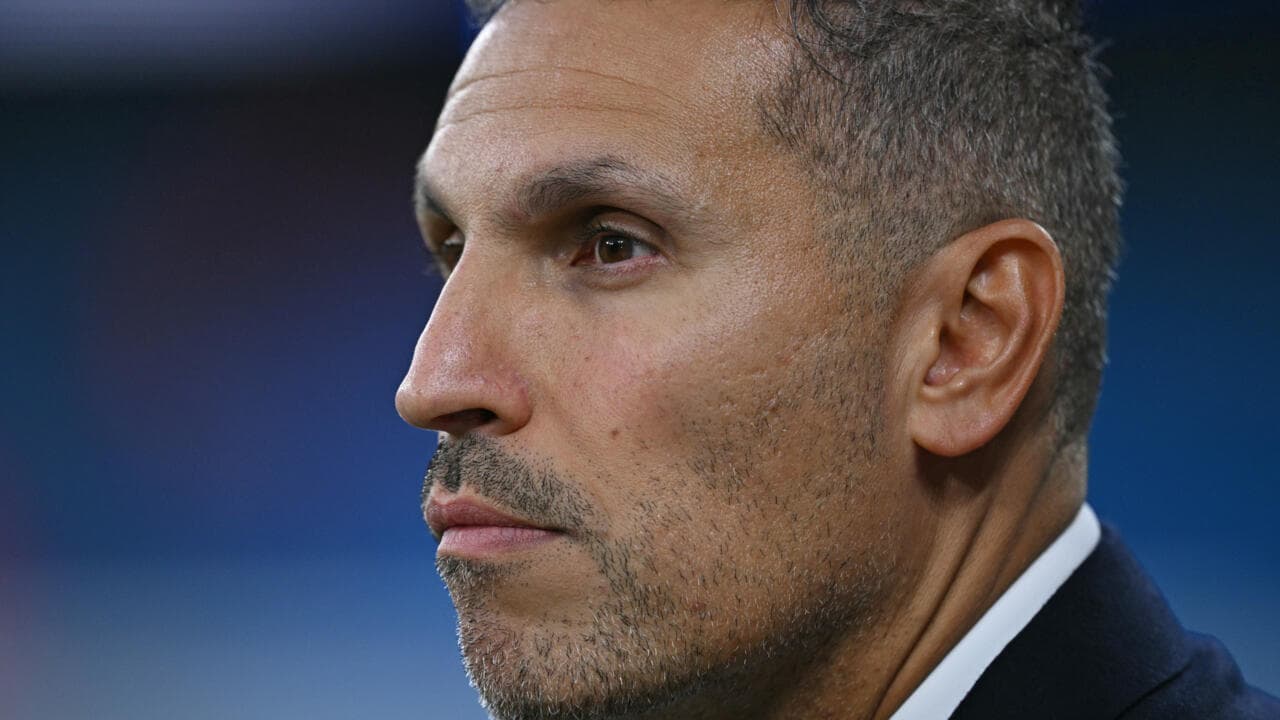
Inside City, that silence is deliberate. Chairman Khaldoon Al Mubarak has stayed firmly on script, even as the questions grow louder.
“Let me be as consistent as I've always been -- until we have a ruling, I can't say much,” he told the club’s media channels. The message was controlled, but the frustration was barely disguised. “Once we have a ruling, believe me, we're going to have a wonderful sit down together and I'll say everything I've wanted to say for the last three years."
For now, the club’s official stance remains unchanged: City deny any wrongdoing. They wait, and win.
Since the Abu Dhabi takeover in 2008, City have turned domestic dominance into routine. Eight Premier League titles. A Champions League. Four FA Cups. Seven League Cups. A team that once fought relegation now sets the pace for everyone else.
Success on the pitch has driven a transformation off it. The club’s valuation has soared, and Khaldoon is in no doubt about the scale of what has been built under owner Sheikh Mansour.
Sheikh Mansour, he said, views City and the wider City Football Group as a long-term project, not a tradeable asset.
"Sheikh Mansour, when he looks at this club, he sees it as a long-term investment," Khaldoon said. In his view, the numbers tell their own story. "If you're going to sell all this today in the market, you wouldn't sell it for less than 10 billion dollars minimum."
That figure, around $10 billion, is not presented as a sales pitch. Quite the opposite. It is a line in the sand.
"Of course, His Highness has no intention of selling this business. There's only intention to keep growing this because the view here is this will only grow and this is a beautiful business to own."
Khaldoon’s language drifted away from balance sheets and into something more emotional. For City’s ownership, this is not just an asset class.
“It's football and it's entertainment. In the world we're in today, while the world changes and people's attention goes to different things, sport stays -- and football within sports is the pinnacle.
“And Manchester City and this group, within the football world, is a pinnacle. These sorts of jewels, you don't sell."
That is the paradox of Manchester City in 2026. On one side, a juggernaut of trophies, global reach and commercial muscle, wrapped in the certainty of owners who insist they are going nowhere. On the other, a landmark case still hanging in the air, its outcome capable of reshaping how this era is remembered.
Khaldoon is clearly preparing for the day he can finally speak without legal restraints. The wait for that day, and for the commission’s ruling, now feels almost as consequential as any title race.