.svg&w=384&q=75 "Naijagoal logo")

Liverpool's Record-Breaking Transfer Market Impact
While the game's global superstars chase a world title on the other side of the Atlantic, a very different contest is raging in England. No trophies, no crowds, no balls being kicked. Just numbers, and they are exploding.
The Premier League’s elite are locked into an arms race in the transfer market, and the dial lurched again on Wednesday.
Tottenham Hotspur have agreed a deal to sign Newcastle United midfielder Sandro Tonali for a basic £92.5million, with a further £7.5m in achievable add-ons. A statement signing, a statement fee – and, remarkably, not even Spurs’ biggest deal of the week.
Hours later, Tottenham confirmed the arrival of West Ham United midfielder Mateus Fernandes in a club-record £85m transfer. A landmark, yes. A lasting one? Probably not.
Because this is a window where records are being treated as stepping stones rather than milestones. Manchester City’s £116m agreement for Nottingham Forest midfielder Elliot Anderson underlined that. When a talented but far-from-global-name midfielder commands a fee north of £100m, the obvious question follows: what on earth has happened to the market?
Transfer inflation is nothing new. The £20m that once bought you a star now barely covers a promising squad player. But even against that backdrop, the scale and spread of these deals jar. It is not just the absolute elite moving for nine-figure sums. It is clubs across the top end of the division, paying extraordinary money for players who are very good, but not yet great.
And Liverpool, who pride themselves on shrewdness and value, are right in the middle of it.
Their own spending helped light the fuse. Last summer, Liverpool went big, then bigger. They paid £116m for Florian Wirtz, then topped it with a £125m move for Alexander Isak. Two huge bets on attacking quality. Two deals that instantly reset expectations for what a top Premier League club might pay.
Sales softened the blow. Liverpool brought in more than £200m in outgoing transfers, and eventual champions Arsenal still ended the season with the highest net spend in the division. But the headline figure remains stark: almost £450m shelled out by Liverpool in a single window, the largest outlay by any club in Premier League history.
Those numbers now hang over the market. Once one club proves it will pay that kind of fee, others use it as a benchmark. The going rate shifts. The bar rises.
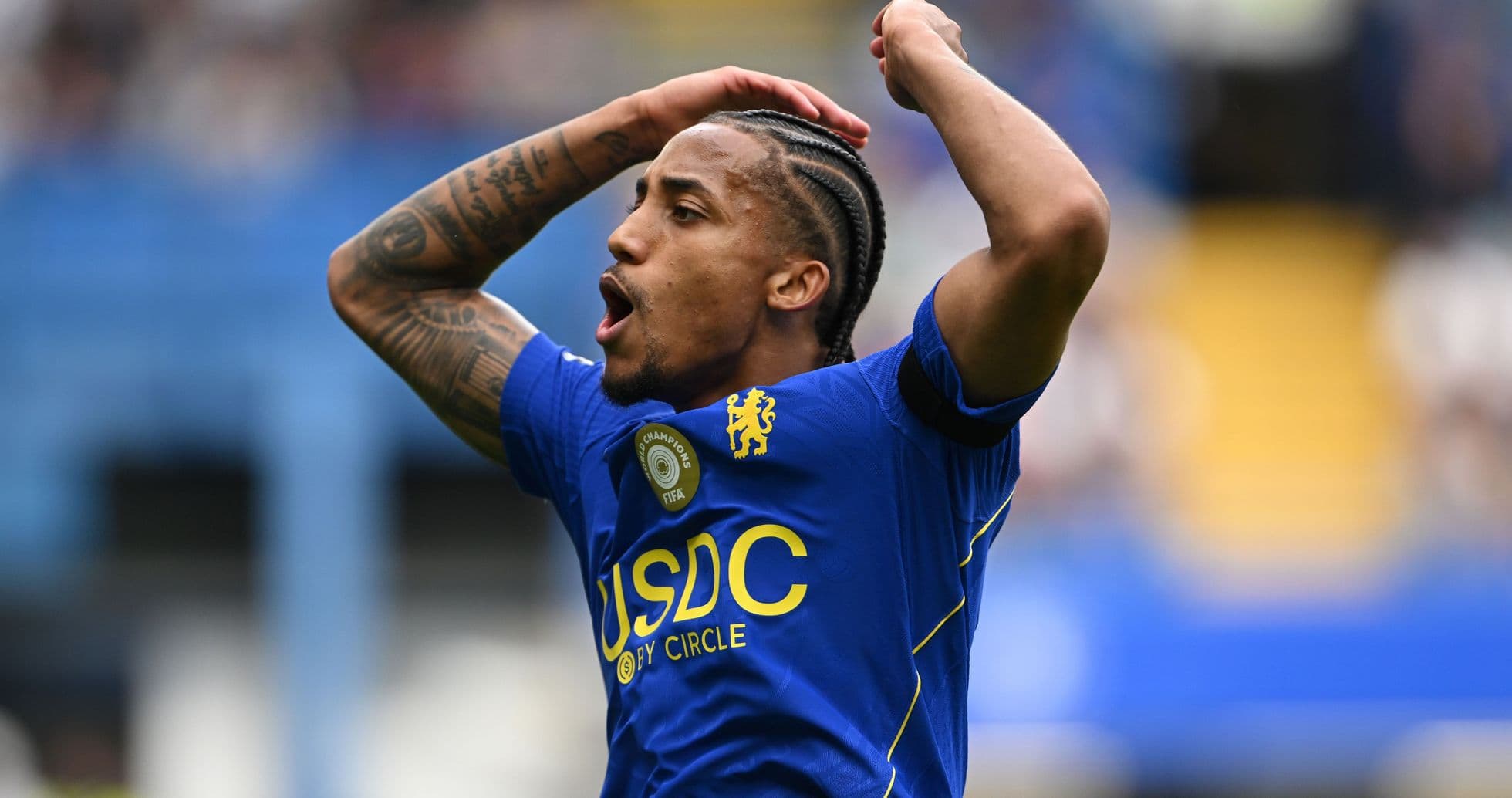
Liverpool themselves work that way. Their recruitment team routinely set valuations by comparing targets and sales to similar players elsewhere – age, position, impact, contract length. So when Curtis Jones moves into the final 12 months of his current deal, Liverpool still demand more than £30m. They have watched contemporaries of similar age, ability and contract status move for that kind of money, or more. They see no reason to undersell.
Every club does the same calculation. That is how you end up with “good, but not yet great” players moving for eye-watering sums. The knock-on effect is brutal. If the solid, high-potential performers cost a fortune, the truly elite become almost unreachable.
Paris Saint-Germain have read the room and reacted. They have placed a nine-figure valuation on Bradley Barcola, daring anyone to test their resolve. RB Leipzig, meanwhile, saw Liverpool’s £86m interest in Yan Diomande and simply said no, even before the Ivorian winger was reported to favour a move to PSG. Why cash in when the next bid, from someone, might be even bigger?
In that environment, Liverpool’s owners, Fenway Sports Group, lean even harder into their preferred identity. They wear their transfer nous like a badge of honour: the ability to squeeze every last pound out of a deal, to pounce on opportunities others miss. Triggering the £34.5m release clause for Spain international winger Victor Munoz at Osasuna last month fits that pattern. A pre-set price, no auction, no chance for the fee to spiral.
They still have to operate that way. For all the noise of last summer’s spree, Liverpool cannot match the limitless financial power of some of their domestic rivals over multiple windows. That reality has not changed.
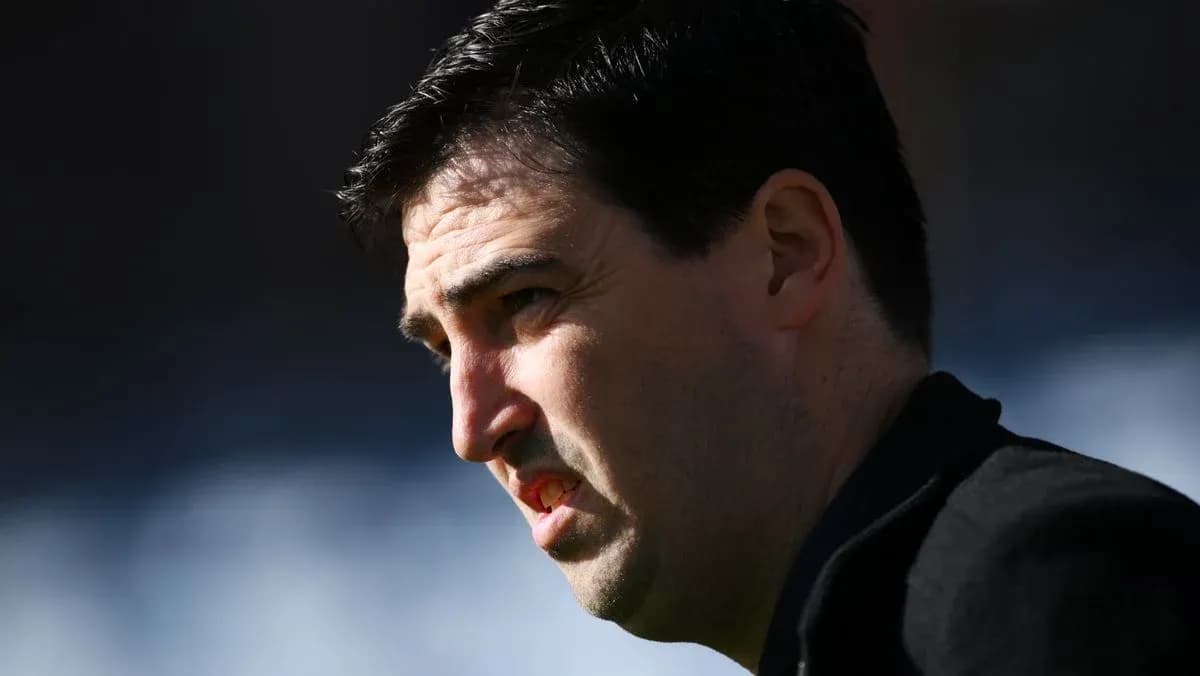
What has changed is the scale of the task this summer. Liverpool are only just getting going in this window, but Andoni Iraola’s squad still has obvious gaps. They need players who can start now, not just prospects who might be ready in two or three years. Those are precisely the profiles whose prices have rocketed.
It helps explain the clear tilt towards younger targets. If the finished article costs a premium beyond even Liverpool’s comfort zone, then the club will try to get there first – to buy players before they peak, before their value explodes. It is a strategy born of necessity as much as philosophy.
But there is no escaping the core truth of this window. Across the Premier League, players have suddenly become a whole lot more expensive. The numbers are bigger, the risks higher, the margin for error thinner.
Liverpool helped set the new ceiling. Now, like everyone else, they must live under it – and decide just how often they are willing to pay top, top dollar to stay in the fight.