.svg&w=384&q=75 "Naijagoal logo")

Liverpool Enters New Financial Era with 1892 Holdings Investment
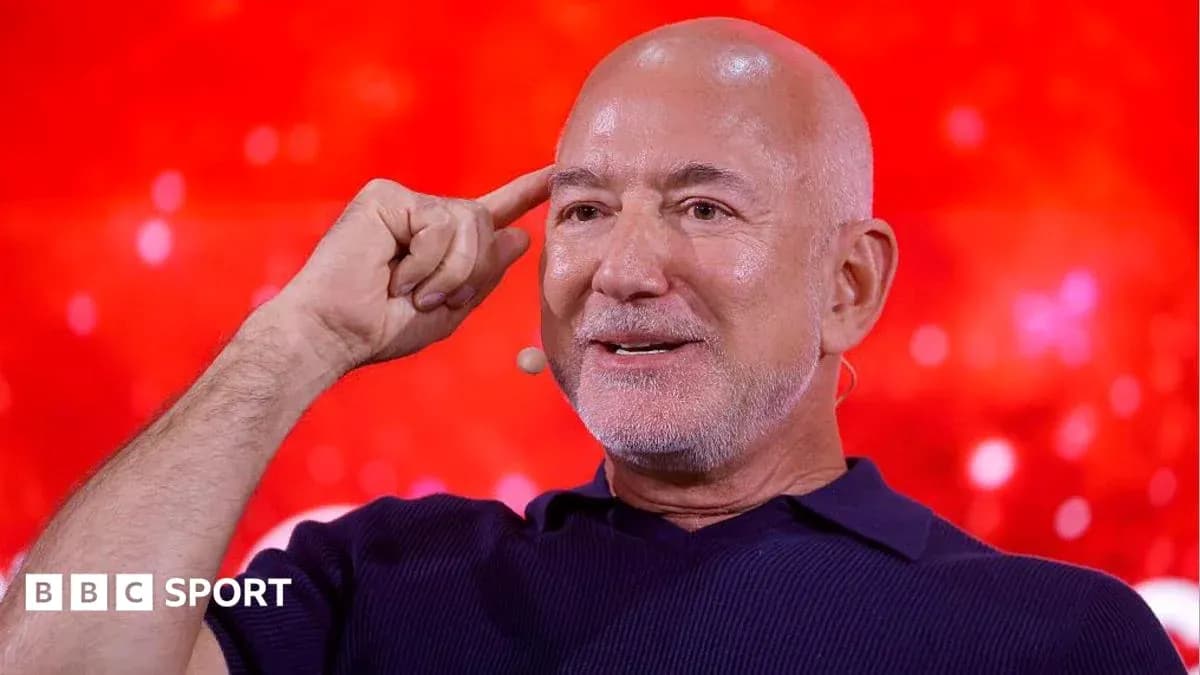
Liverpool have taken a significant step into a new financial era, with a powerful consortium featuring Amazon founder Jeff Bezos securing close to 40% of the club from Fenway Sports Group (FSG).
Initial reports suggested 1892 Holdings had acquired roughly a third of the Premier League side. The picture is now clearer: the stake sits at around 38%, as first detailed by The Athletic. It is not a takeover, not yet, but it is far more than a token slice of the club.
The agreement carries a potentially seismic clause. The consortium holds an option to move to a controlling stake within the next 12 months. There is no binding obligation to do so, no guarantee that Liverpool will change hands entirely, but the door has been left conspicuously ajar.
FSG confirmed the deal on Friday, announcing it had reached a “definitive agreement” to sell what it called a “strategic minority investment” to 1892 Holdings. The name is no accident, a nod to Liverpool’s founding year and a clear statement of intent to root this new era in the club’s history.
At the head of the group stands British-Indian businessman Amit Bhatia, a millionaire with long-standing experience in English football boardrooms. Alongside him sit Bezos and billionaire Facebook co-founder Eduardo Saverin, underlining the financial muscle now lining up behind Liverpool.
Bhatia is set to become Liverpool’s vice-chairman and will take a seat on an expanded board, subject to regulatory approval. His arrival signals more than fresh capital; it brings a figure steeped in the mechanics of running a club in English football.
The 44-year-old is the son-in-law of Indian steel magnate Lakshmi Mittal and spent 18 years as a director and co-owner at Queens Park Rangers before stepping away last month. That departure now looks like the prelude to a far bigger stage.
Liverpool remain under FSG control for now. Yet with 1892 Holdings in place, a heavyweight option on the table, and some of the world’s richest figures now tied to Anfield, the question is no longer whether change is coming — only how far it will go.