.svg&w=384&q=75 "Naijagoal logo")

Lionel Messi's Heartbreaking World Cup Journey Ends in Defeat
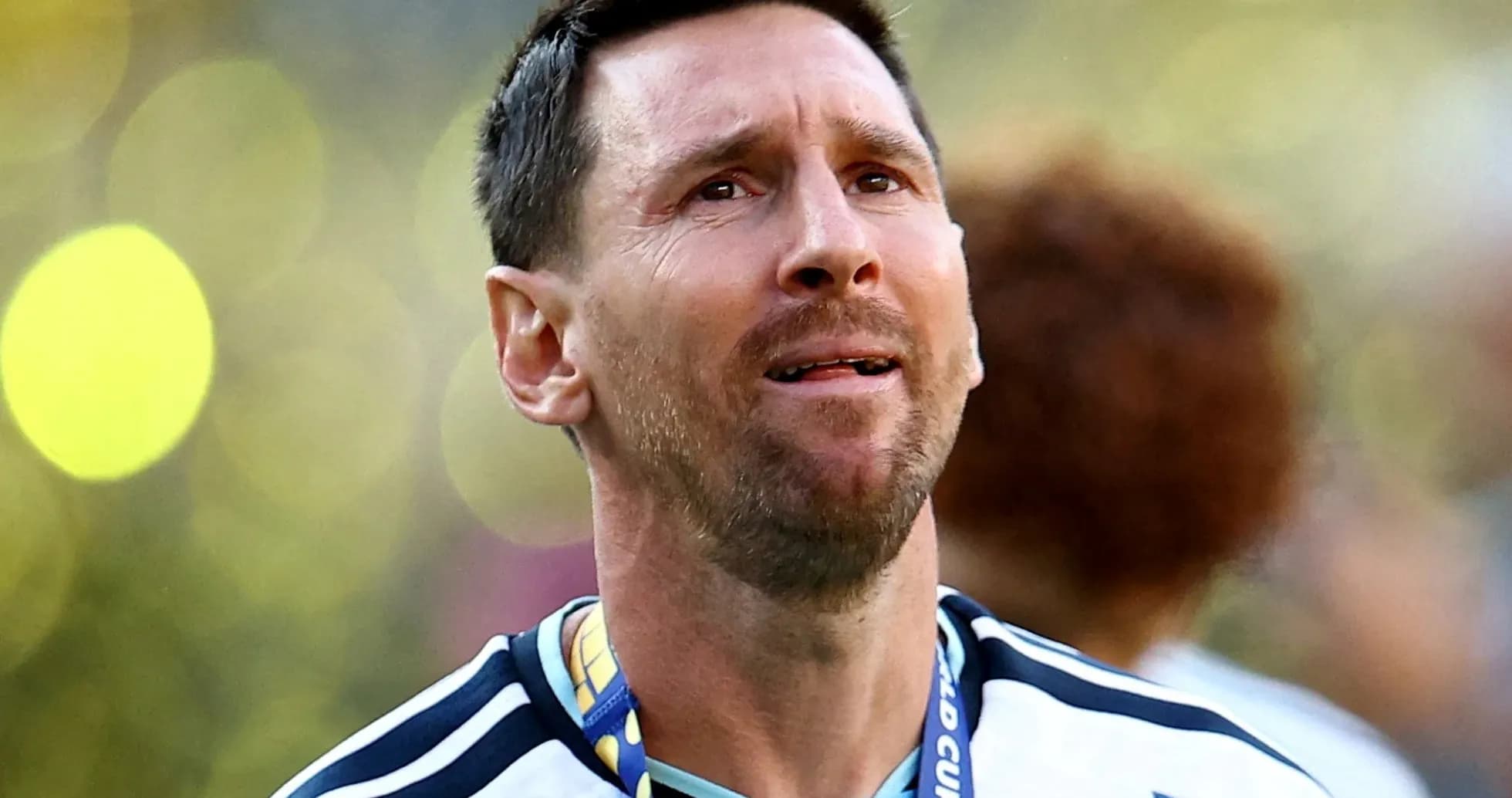
Lionel Messi stood alone on the MetLife Stadium turf, silver medal around his neck, tears in his eyes. No tantrum, no drama. Just the quiet devastation of a man who knows he may have walked off a World Cup stage for the last time.
Spain had just beaten Argentina 1-0 in East Rutherford, denying Messi and his country a second straight world title. The champions of 2022, the team that had dragged itself back to the summit after years of anguish, were suddenly runners-up again. This time, there was no fairytale.
A final that slipped away
Argentina, so often irresistible in North America this summer, never landed a punch in the final. Spain’s defence smothered them. Not a single shot on target. Not one clear look at goal for Messi, who turned 39 during the tournament and still carried a nation on his back.
They had arrived at the final on a surge of emotion and resilience. A dramatic rally past England in the semifinal had seemed to confirm what many suspected: this group still knew how to suffer, still knew how to win when it mattered. But against Spain, the door stayed shut. The margins that had gone Argentina’s way in Qatar turned against them in New Jersey.
The defeat left Messi on the grass, staring into the distance, trying to process a night that felt like an ending even if he refused to say the words.
“The pain is immense”
On Monday evening, the captain finally spoke publicly, choosing Instagram rather than a press conference to address a country still raw from the loss.
“The pain is immense, and this wound will take time to heal,” he wrote in Spanish, alongside a photo of himself with the silver medal. No hint, one way or the other, about retirement from World Cups. No declaration, no farewell speech. Just honesty about the hurt.
Then came the other side of it – the perspective that only a veteran of five World Cups and two finals can offer.
“But I also hold onto all the good things… The matches we turned around by giving it our all – moments that will remain in our memories forever – and the support of an entire country which, combined with this group’s hard work and effort, brought us back among the world’s elite once again.
“It is hard to fully appreciate our achievement right now, but this group reached two consecutive World Cup finals.”
That line matters. Two straight finals. For a nation that wandered the desert for decades after 1986, Argentina under Messi’s late-era leadership has become a machine of consistency: Copa América champions, Finalissima winners, world champions in 2022, and now runners-up in 2026.
A World Cup career rewritten
Qatar was supposed to be the last chapter. Argentina’s 3-3 epic against France in 2022, won on penalties, delivered the one trophy that had eluded Messi, the final piece of his towering career. Anything after that felt like a bonus.
Yet he came back. One more World Cup. One more run with a group that had grown around him, that had learned to play for him and with him.
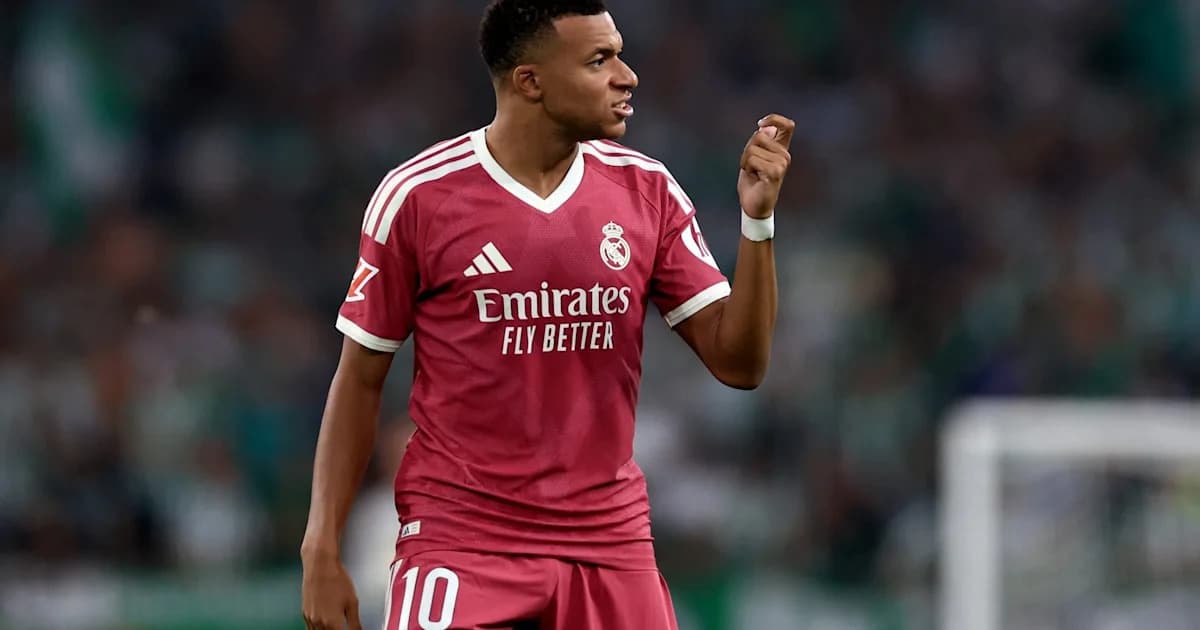
In North America, he did not just appear; he dominated. Early in the tournament he broke Miroslav Klose’s record of 16 World Cup goals, pushing the mark to 21 by the time Argentina reached the final. Even that record did not survive the month. Kylian Mbappé, his old rival from Lusail, surged past him to 22.
The French forward also took the Golden Boot, finishing with 10 goals to Messi’s eight. Messi left with no individual prize, no trophy in his hands. Only the knowledge that, even at 39, he could still bend a World Cup to his will for long stretches.
Time’s ticking clock
The numbers now hang over every conversation. Messi will be 43 when the 2030 World Cup kicks off in Spain, Portugal and Morocco. He refused to confirm whether this final was his last, but the calendar does not negotiate.
For Argentina, the question is no longer whether he can carry them again. It’s whether this was the final act of the greatest World Cup story of the modern era. From the heartbreak of 2014, to the chaos of 2018, to the coronation of 2022 and the near-miss of 2026, Messi’s relationship with this tournament has spanned every possible emotion.
On Sunday, the dominant one was gratitude.
“Thank you from the bottom of my heart for every greeting and message,” he wrote. “Once again, we managed to unite as a country and stand together, sharing the immense pride of being Argentine.
“I also want to congratulate Spain on winning the championship.”
No bitterness. No excuses. Just respect for the team that stopped him, and affection for the people who followed him from Qatar to North America and back home again.
After the storm
The fallout begins immediately. ESPN reported on Monday that Messi and his Argentina and Inter Miami teammate Rodrigo De Paul will sit out Inter Miami’s next two regular-season matches and the MLS All-Star Game to rest and recover from the World Cup.
It is a reminder that, even after a month spent chasing history, the club game does not wait. Miami will miss its star attraction. MLS will miss its headliner at its showcase event. But after another punishing World Cup, the priority is clear: protect what is left of a body that has given everything to the sport.
Argentina, meanwhile, return home with a familiar mix of pride and regret. One kick from glory in 2014. Champions in 2022. Finalists again in 2026. The arc of this era will be argued over for years.
For now, the image that lingers is simple: Messi, medal glinting under the stadium lights, eyes wet, applauding a sea of sky blue and white. Whether that was his last World Cup bow or just another chapter, only he knows. The rest of the world is left to wonder how many more times football’s greatest storyteller will step onto this stage.