.svg&w=384&q=75 "Naijagoal logo")

Kevin Keegan: A Bridge Between Liverpool and Hamburg
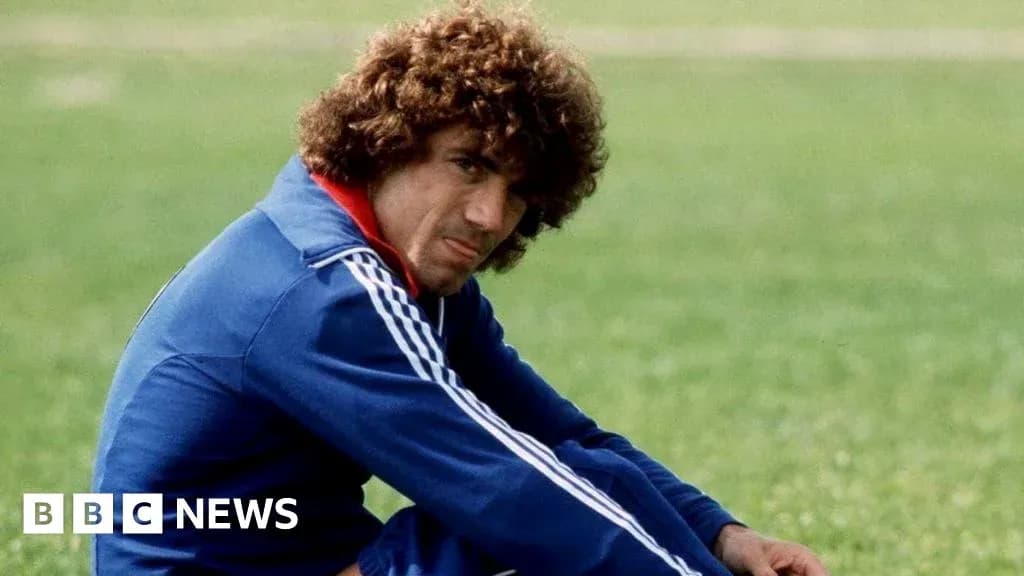
Kevin Keegan spent his life turning football grounds into theatres. In death, he is being remembered as something more than a great player: a living link between Liverpool and Hamburg.
Liverpool City Region Mayor Steve Rotheram has written to Hamburg’s mayor, Dr Peter Tschentscher, describing Keegan as “a bridge between two great cities” after the former England striker died on Monday aged 75.
Keegan was supposed to be back in Hamburg this year. He was due to travel with Rotheram for the city’s annual harbour festival, the Hafengeburtstag, a celebration that would have welcomed back one of its favourite adopted sons. Cancer stopped him making the journey.
Rotheram revealed in his letter that Keegan’s diagnosis meant he was unable to travel, but the bond between the man and the city remained unbroken to the end.
From Anfield idol to Hamburg hero
Keegan’s story is well worn, but it still carries weight. One of the most decorated English footballers of all time, he won the Ballon d'Or twice and lifted seven major honours with Liverpool. His final game for the club delivered their first European Cup, a landmark moment that sealed his legend on Merseyside.
Then he walked away.
In 1977, Keegan left Liverpool for Hamburg SV in what was then a record transfer. It was more than a big move in the market. It was a cultural leap, English grit and flair exported to a different footballing world.
Rotheram captured that step in his tribute: “When Kevin left our shores for Germany in 1977, he did more than make a then-record transfer between two football clubs. He built a bridge between two great cities.”
For Liverpool’s red half, Keegan was the electric forward who set the tone for the modern club. For the blue half, Rotheram wrote, he was “a well-respected irritant on derby day” – the kind of opponent Evertonians might have groaned about, but never dismissed.
“He was not just a Liverpool FC legend and one of the most beloved figures our city has ever known,” the mayor added.
Shared ownership of a star
Keegan’s success, Rotheram argued, does not belong to one place.
He wrote that the former striker’s achievements “belonged equally to Liverpool and Hamburg”, cities where he was both “admired and loved”. To Rotheram, Keegan embodied the old truth that “football is the people’s game” better than anyone.
The relationship Keegan helped forge between the two ports has outlived his playing days. His career has been celebrated in a special exhibition highlighting the links between Liverpool and Hamburg, a reminder that his legacy stretches beyond medals and goals.
Rotheram recalled how, back in May, Keegan had penned a message for him to read at the Liverpool City Region pavilion. The mayor joked about his “pidgin German and broad Scouse accent”, but said the words still landed with warmth.
“Kevin may have left both cities many years ago,” he wrote, “but he never truly left our hearts.”
A note from the Elbe
Keegan had been planning to stand once more on the banks of the Elbe, to join the port anniversary celebrations and feel that old connection with Hamburg. Illness intervened, but he still found a way to be heard.
“He was devastated not to be attending,” Rotheram said, “but he did provide me with a personal note that I felt honoured to read out on the Liverpool stage on the banks of the Elbe.”
Rotheram shared those words again in his letter to Dr Tschentscher. Keegan’s message was simple and direct, the language of a man who never needed embellishment: “Forgive my Plattdeutsch, but I love Hamburg.”
From a Yorkshire-born forward who conquered Anfield, charmed Hamburg and twice stood on top of Europe, it was a fitting final salute.
The letter closed with a line that will echo around both cities: “On behalf of the people of Liverpool, we send our deepest condolences to Kevin’s friends, the HSV family and the people of Hamburg. Thank you for loving him as we did. You’ll Never Walk Alone.”