.svg&w=384&q=75 "Naijagoal logo")

Kaizer Chiefs' MTN8 Defeat to Golden Arrows: A Match of Missed Chances
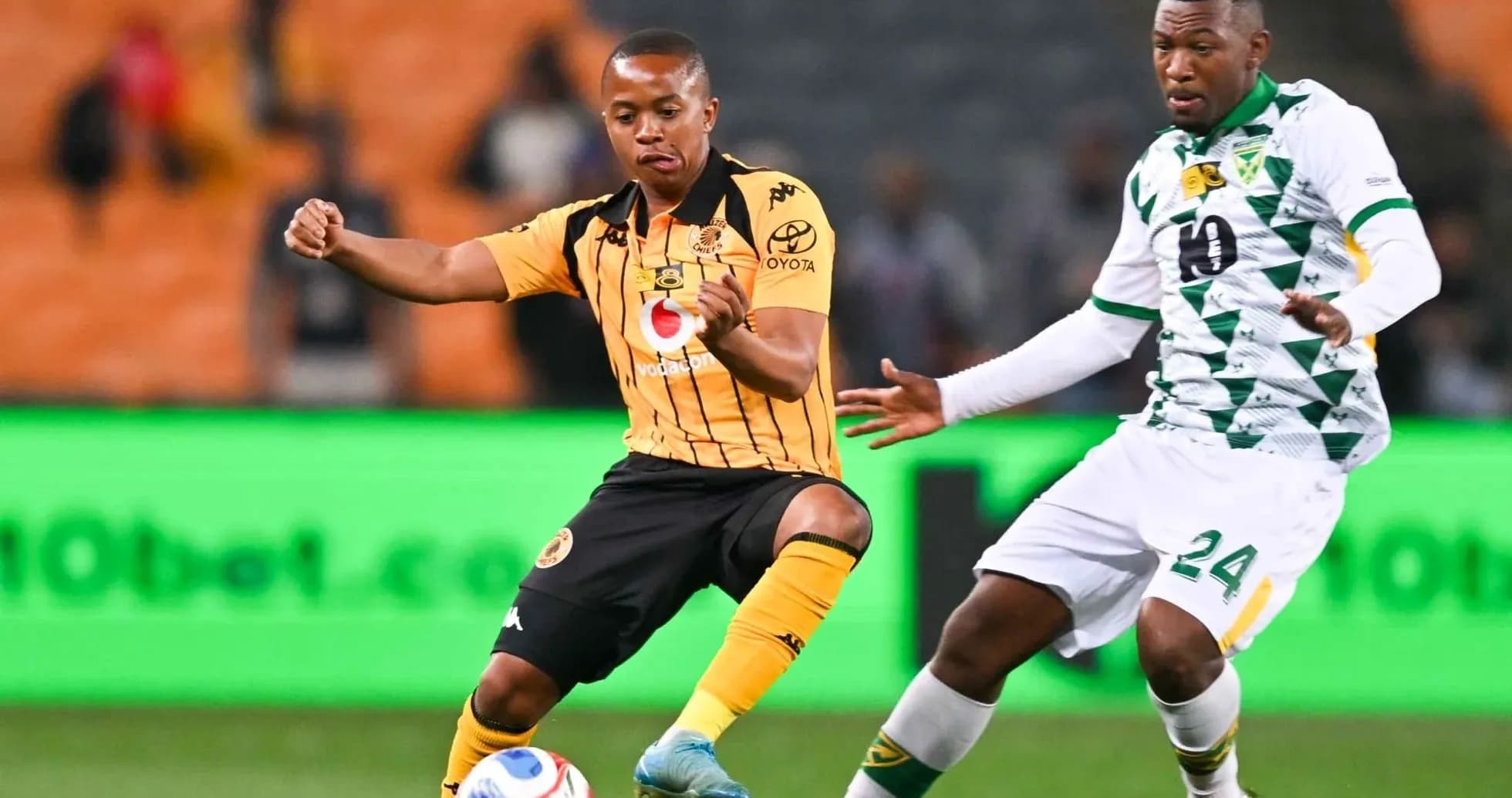
Kaizer Chiefs’ MTN8 return lasted just 90 bruising minutes, ending with heads bowed and a 1-0 defeat to Golden Arrows that will sting far longer than their two-year absence from the competition.
A single moment decided it. A single lapse. And a single, ruthless finish from Khulekani Shezi.
Chiefs waste chances, Arrows don’t
For long spells, this didn’t look like a game Chiefs were destined to lose. They carved out openings, moved the ball with intent, and regularly worked their way into promising positions around the Arrows box. The problem sat where it so often has in recent seasons: the final touch.
Chance after chance came and went. Shots dragged wide. Crosses overhit. The last pass, rushed or misjudged. The pressure built, but the net refused to move.
Arrows stayed patient. They absorbed, they waited, they trusted that one mistake would come. When it did, they punished it.
The decisive moment arrived in the second half, born not from a sweeping Arrows move but from a mistake that will haunt Brandon Petersen. The goalkeeper and club captain misjudged the situation, and Shezi pounced with the kind of composure Chiefs lacked at the other end. One clean strike, and the Amakhosi were staring at another early cup exit.
Da Cruz shields his captain
Post-match, the easy narrative would have circled around Petersen. A veteran, a leader, and the man whose error separated the sides. Fernando Da Cruz refused to go there.
Speaking to SuperSport TV, the Chiefs head coach focused instead on the avalanche of missed chances.
“The mindset, the comfort of the player, nothing to say because we missed a lot of chances today,” he said, underlining where he felt the game truly slipped away. “The score is unfortunately the only one goal changes in the half and after that we tried to come back, but we had a lack of efficiency there.”
When the conversation turned to the goal conceded, Da Cruz closed ranks around his captain. He stressed that he would need to watch the incident back before dissecting the technical details, and he pushed the responsibility firmly across the collective.
“I will look at the goal because I will watch the game, but I think the player missed his cross and we lose it all the team lose, I don’t want to say we lost because of one player,” he insisted.
It was a deliberate stance. In a dressing room already under scrutiny, the Frenchman chose unity over blame.
A debut flicker in a difficult night
On a bleak afternoon for Chiefs, one bright thread ran through the second half: the debut of Langelihle Phili.
Signed from Stellenbosch earlier in the week, the youngster was thrown into the contest as Chiefs chased an equaliser. He did not transform the game, but he did not shrink from it either. There were glimpses – a sharp touch here, a positive run there – of why the club moved quickly to secure him.
Da Cruz, though, urged patience.
“They are coming into the team step-by-step, Phili needs to work physically again a little bit and to understand also our modern game, but they will come step-by-step,” he said, speaking not only about Phili but the broader group of new arrivals.
Integration, he knows, cannot be forced. The fixture list, however, will not slow down to accommodate that process.
No time to sulk
There is barely a moment for introspection. Chiefs are back in action on Wednesday against Sekhukhune United in their second Premier Soccer League match of the season. The turnaround is brutal, but it might be exactly what they need.
The mandate is clear: the creativity in midfield must start to translate into goals. The structure is producing chances; the scoreboard is not. That equation cannot hold for long at a club that measures itself in trophies, not in expected goals.
With every missed opportunity, the pressure on this squad and technical team ratchets up another notch. The MTN8 door has already slammed shut. The league now carries even greater weight.
For Kaizer Chiefs, the question is no longer whether they can create. It’s whether they can finally be clinical enough to turn promise into the silverware their supporters demand.