.svg&w=384&q=75 "Naijagoal logo")

Jorge Jesus Appointed Portugal's Head Coach: A New Era Begins
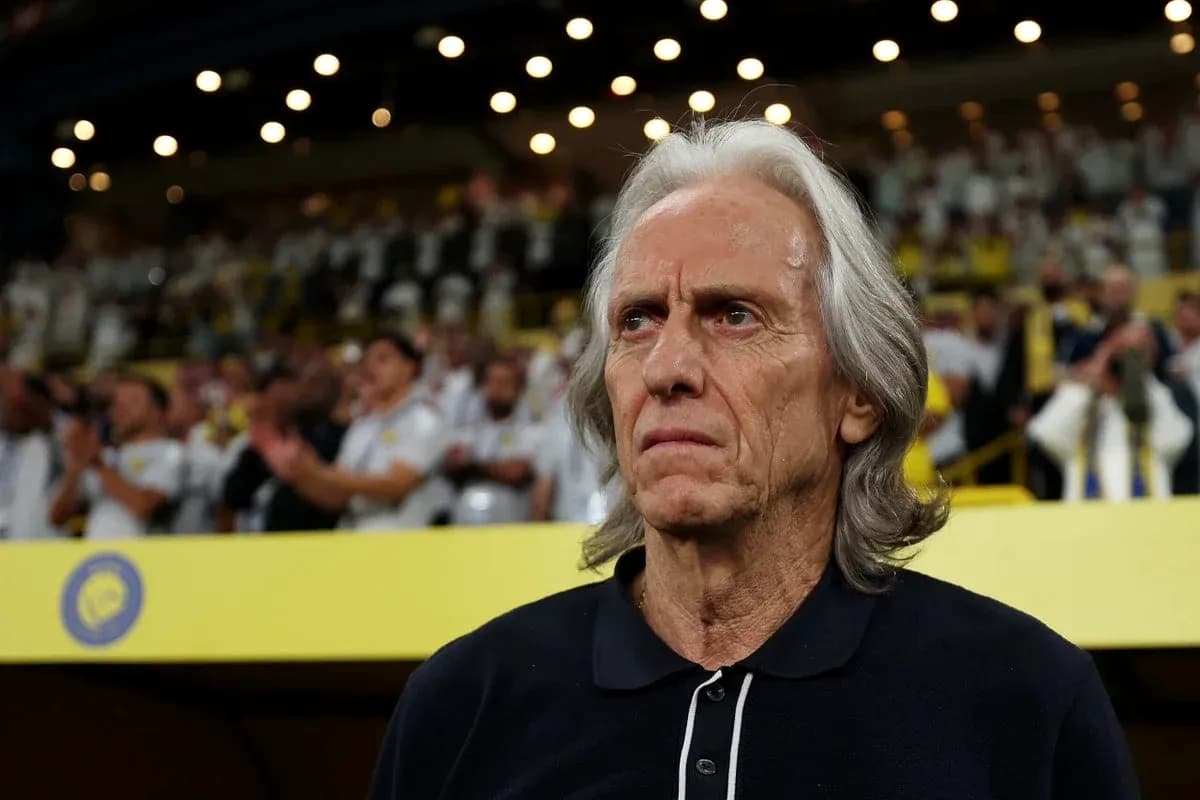
Jorge Jesus has been named Portugal’s new head coach, returning one of the country’s most combustible and decorated tacticians to the national stage after Roberto Martinez’s exit.
Martinez walked away following Portugal’s World Cup last-16 elimination to Spain on Monday, a defeat that underlined a familiar frustration. For all their talent, Portugal have not reached a World Cup semi-final since 2006. The federation has now turned to a man whose career has been defined by trophies, volatility and a relentless demand for attacking football.
A serial winner with a restless career
Jesus is 71, but his managerial story has rarely slowed. Over 36 years on the touchline he has built a CV that stretches across Lisbon, Rio de Janeiro, Istanbul and Riyadh. Two separate spells at Benfica, a dramatic switch to Sporting CP, continental glory with Flamengo, title pushes with Fenerbahce and, most recently, three straight seasons in the Saudi Pro League.
The numbers are stark. Twenty-five trophies. Three Portuguese league titles with Benfica. A Brazilian crown with Flamengo. The Saudi Pro League won with both Al Hilal and Al Nassr. Wherever he lands, silverware tends to follow, often amid a storm of intensity and scrutiny.
His moves have rarely been quiet. In 2015 he stunned Portuguese football by walking out on Benfica to take over fierce city rivals Sporting CP, a decision that split Lisbon and hardened his image as a coach unafraid of crossing lines in pursuit of a new challenge.
Ronaldo, Saudi Arabia and a new chapter
Jesus’s latest reinvention came in Saudi Arabia. He had two separate stints at Al Hilal before, last summer, accepting the call from their Riyadh rivals Al Nassr. The lure was clear. Ahead of joining, he admitted he “could not refuse the invitation” from Cristiano Ronaldo to coach the club.
Together they ended a drought. Jesus steered Al Nassr to their first league title in seven years, adding another championship to his catalogue and reinforcing his reputation as a coach who can impose structure and belief quickly. He left the club at the end of the 2025-26 season, with Ange Postecoglou since stepping into the role.
That Saudi chapter now feeds directly into his new job. Jesus arrives in charge of Portugal just as Ronaldo’s era on the World Cup stage closes. The 39-year-old, already the world’s all-time leading international scorer with 146 goals in 233 caps, confirmed earlier this month he will not play at another World Cup.
A powerhouse searching for one more leap
Portugal remain one of international football’s great paradoxes. They lifted the European Championship in 2016. They followed that by winning the Nations League in 2019 and again in 2025. Yet on the World Cup stage, the ceiling has held firm since that 2006 semi-final run.
The next tournament offers a unique backdrop. Portugal will co-host the 2030 World Cup alongside Spain and Morocco, with Uruguay, Argentina and Paraguay each staging matches at the start of the finals to mark the competition’s centenary. Home soil, or something close to it, will bring expectation that dwarfs anything Jesus has previously faced.
His name had already been circulating at the very top of the international game. In March 2025, he was reported as a leading contender for the Brazil job, mentioned in the same breath as Carlo Ancelotti. Ancelotti ultimately took that role after leaving Real Madrid in May, while Jesus waited for the right opening.
Now it has arrived in Lisbon.
Fire on the touchline, pressure in the stands
Jesus brings a clear identity. His teams press high, attack with numbers and play with an edge that often mirrors his own touchline demeanour. He has shown he can manage big egos and bigger expectations, from the pressure cooker of the Estádio da Luz to the glare of Flamengo and the star power at Al Nassr.
What he inherits with Portugal is different. This is not a club that can be rebuilt with a transfer window. It is a national side entering a new phase, moving beyond Ronaldo’s World Cup presence while still shaped by the standards he set.
The question now is simple and unforgiving: can Jorge Jesus turn Portugal’s modern-era promise into a deep World Cup run on home soil in 2030, or will another golden generation fall just short when it matters most?