.svg&w=384&q=75 "Naijagoal logo")

Jeff Bezos Set to Join Liverpool with £1.35bn Stake
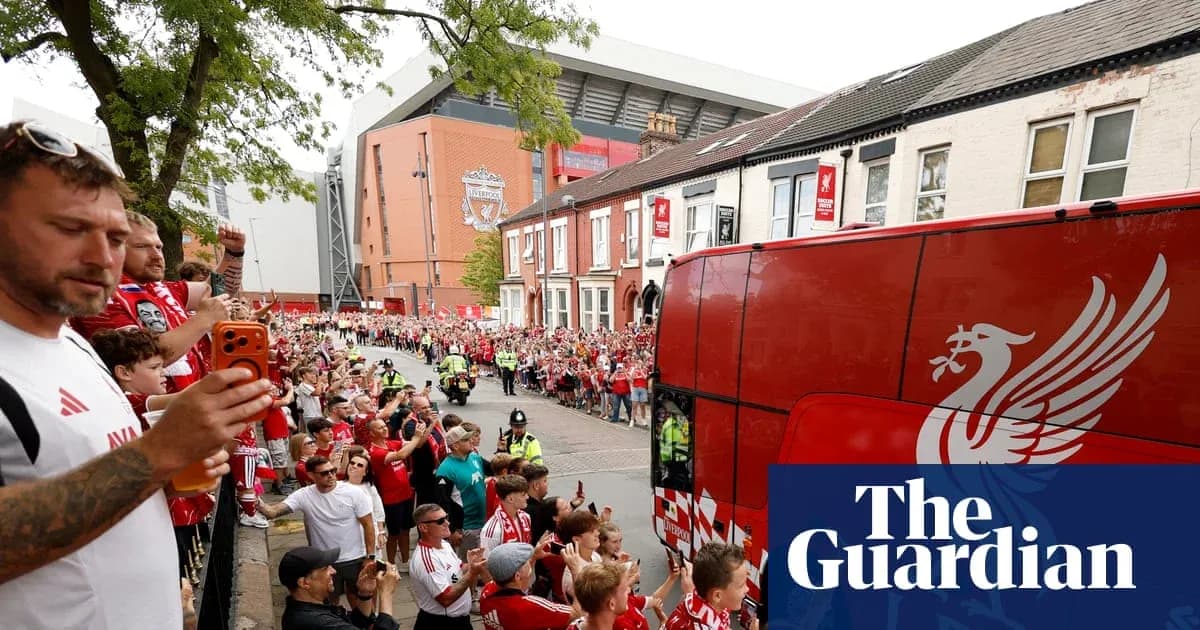
Jeff Bezos is on the verge of stepping into Anfield’s boardroom, with a consortium featuring the Amazon founder close to sealing a £1.35bn agreement for a 30% stake in Liverpool.
The group of investors is fronted by Amit Bhatia, son-in-law of Indian billionaire Lakshmi Mittal and a former shareholder at Queens Park Rangers. Facebook co‑founder Eduardo Saverin is also part of the heavyweight syndicate, which has been locked in talks with Fenway Sports Group (FSG) for months.
The Guardian understands the deal is effectively in place, though the final paperwork and regulatory steps could stretch completion into the next month.
Bezos arrives at Anfield – via Wall Street, Silicon Valley and Seattle
Bezos, whose personal fortune Forbes puts at around $257bn (£190bn), would instantly become one of the most powerful figures anywhere near the Premier League, even without majority control. It will be his first direct investment in a football club, after previously exploring potential moves for NFL franchises in the United States.
The 62‑year‑old, now executive chair of Amazon after stepping down as chief executive five years ago, is expected to receive equity as part of the transaction. Deloitte is understood to have advised on the structure of the deal.
Saverin, reportedly worth $32bn, adds another layer of tech wealth to a consortium that brings serious financial firepower to Merseyside. For Liverpool, this is not a change of ownership but a recalibration of it: FSG remains in charge, yet with a new class of shareholders who operate at the very top of global capital.
From streaming partner to part‑owner
Under Bezos, Amazon has steadily pushed into live sport as a cornerstone of its entertainment strategy. The company held live UK rights for 20 Premier League matches per season for six seasons until the end of last year, and currently shows the Champions League in several European territories, as well as NFL coverage in the US.
Now, the man behind that expansion is poised to move from rights buyer to club investor. For a league already shaped by nation-states, hedge funds and private equity, the arrival of one of the world’s richest individuals as a part‑owner of Liverpool marks another sharp turn in football’s relationship with big tech.
FSG’s new chapter
FSG bought Liverpool in 2010 and have presided over a modern high point in the club’s history, including a Champions League crown and what the article describes as two Premier League titles. They have already dipped a toe into external investment, selling a 3% stake to US private equity firm Dynasty Equity in 2023.
This latest deal is on a completely different scale. A 30% holding at a valuation north of £4bn underlines Liverpool’s status as one of the most prized assets in world sport and gives FSG substantial capital to reshape the club’s next era without surrendering control.
The timing is striking. It has been a summer of upheaval at Anfield. Andoni Iraola has come in as head coach to replace Arne Slot, while Mohamed Salah has departed on a free transfer and joined Trabzonspor. At the ownership level, Michael Edwards has stepped away from his role as chief executive officer at FSG, removing a key architect of the club’s data‑driven rise.
Into that flux steps a consortium led by Bhatia, backed by Bezos and Saverin, with the resources to influence everything from infrastructure and recruitment to global marketing.
FSG has been approached for comment, but with the deal nearing the finish line, the more pressing question hangs over Anfield: what does Liverpool look like when Silicon Valley money and Boston’s baseball‑honed ownership model collide on Merseyside?